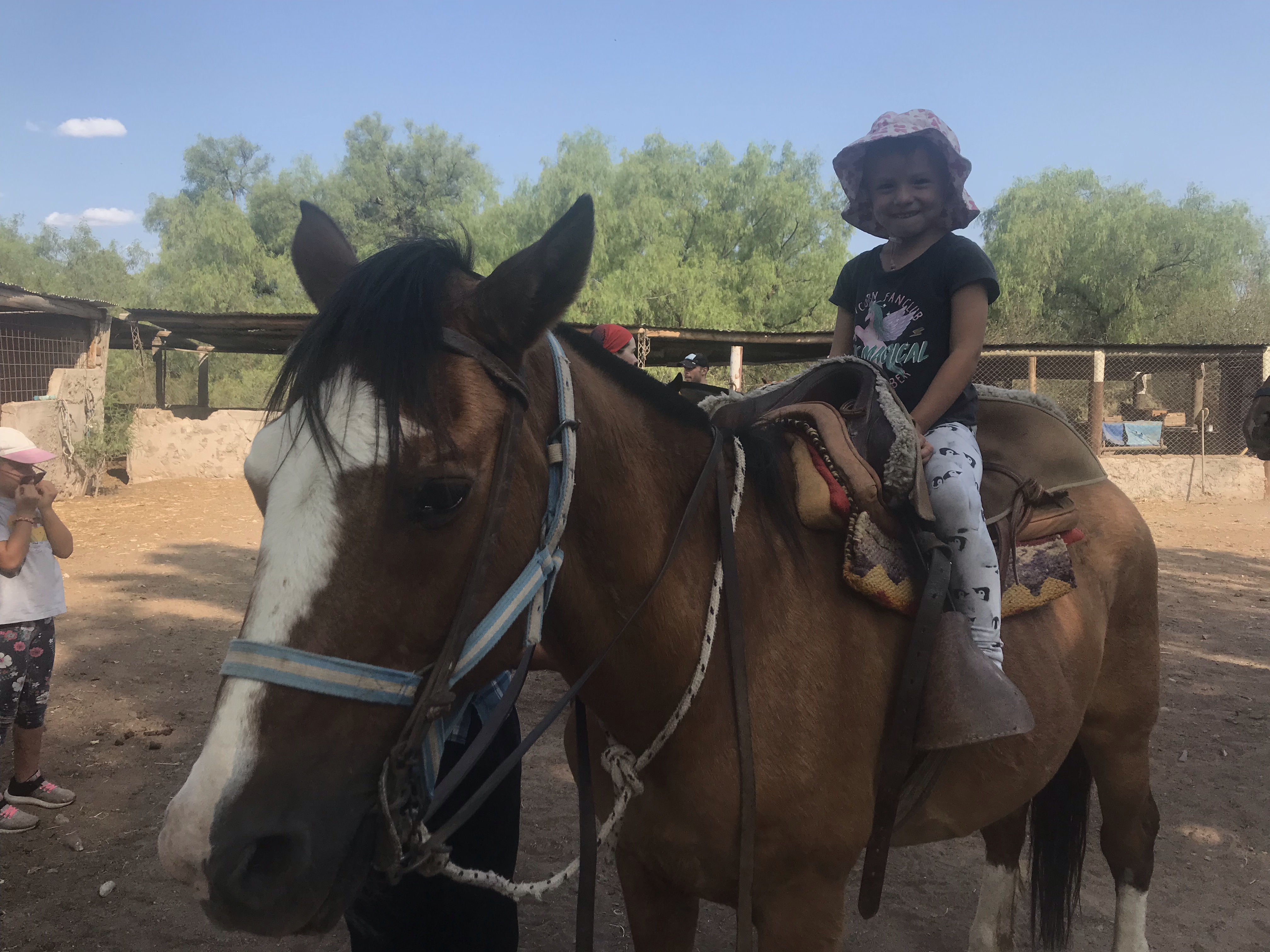
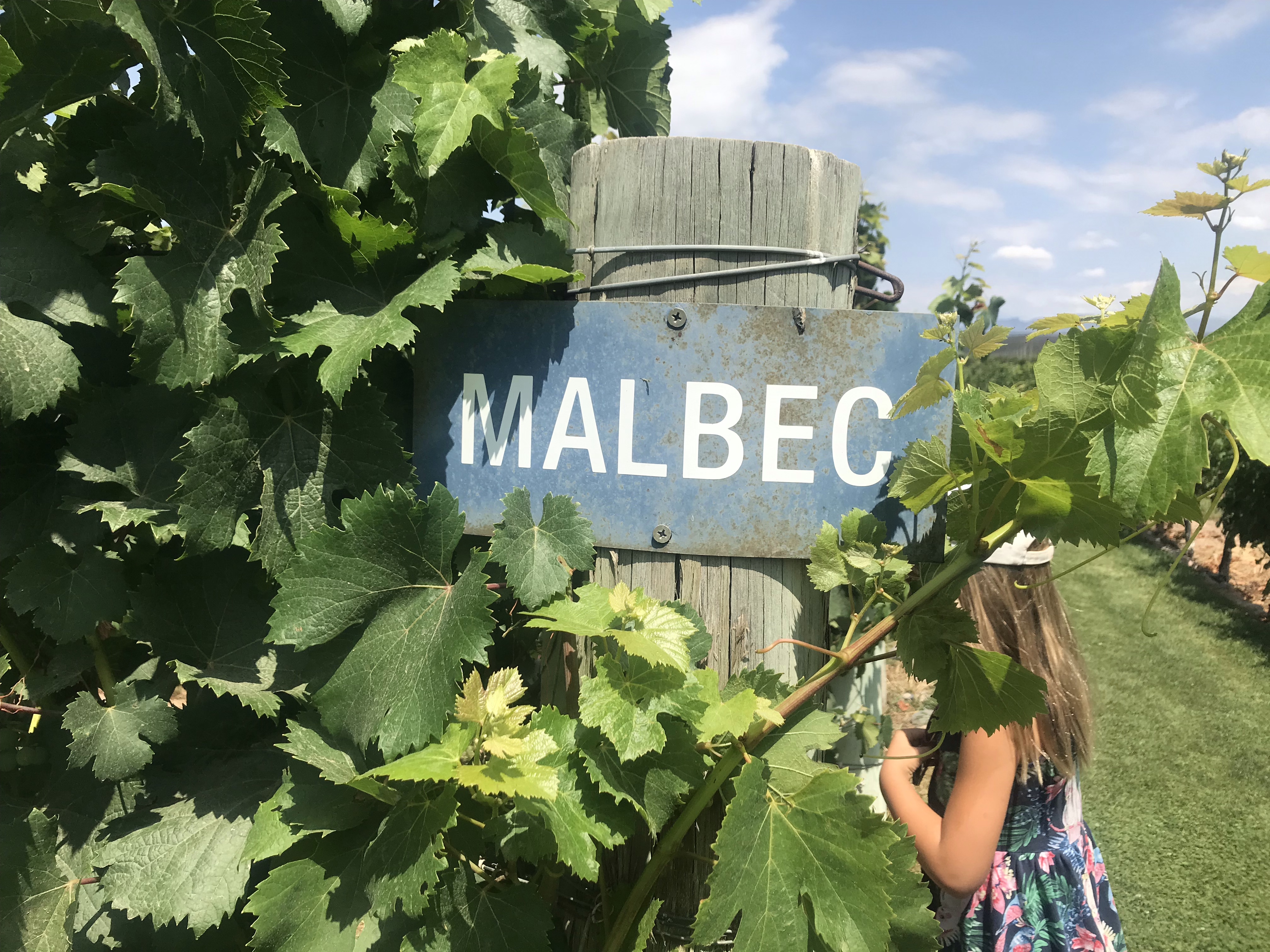
There were two more must-dos during our time in Argentina: getting up close and personal to their beautiful horses and learning how they make their red wines just so delicious.
It meant a bit of time was needed up north, so we split our last 8 days between Córdoba and Mendoza.
Claudia’s apartment sang out to us on the Air bnb website: bright colours, fun furnishings and even bunkbeds! It was located in the centre of Córdoba. We didn’t know much about the city (except that it wasn’t the Cordoba in Spain) before we arrived except that it is the second most populous in Argentina, home to the country’s oldest university and one of the first Spanish colonial capitals, so we expected to learn a bit of history during our time there.
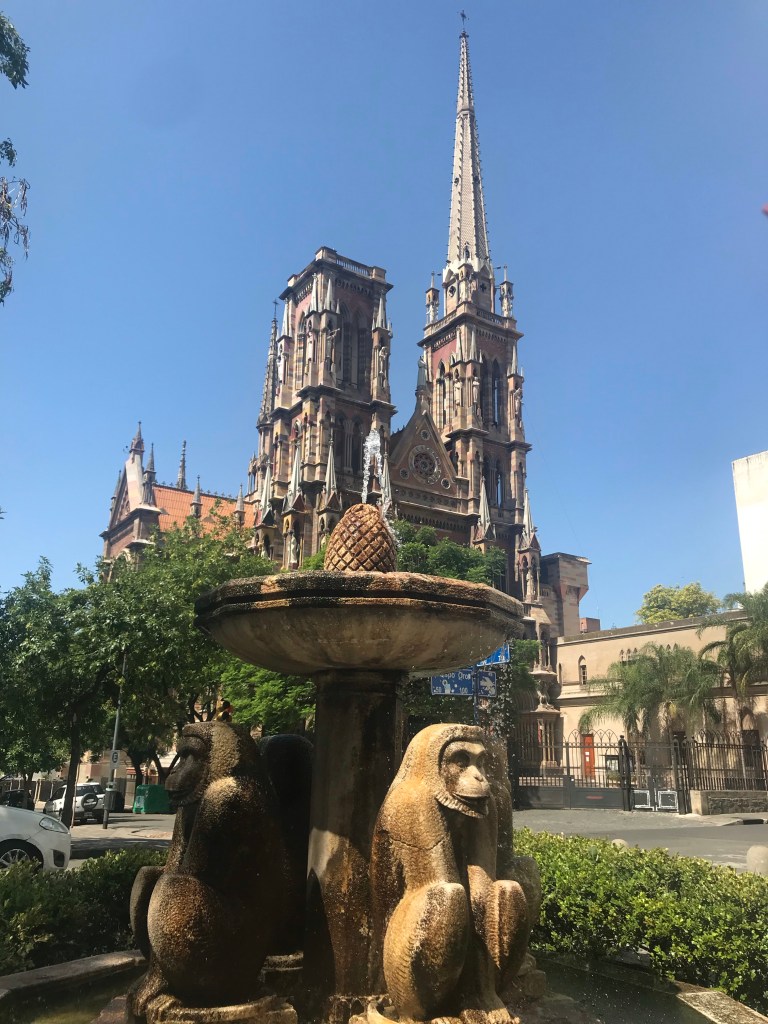
We hadn’t expected our first history lesson to include learning how to use a rather rickety lift which propelled us up to the seventh floor of a historic apartment block where we would be staying.
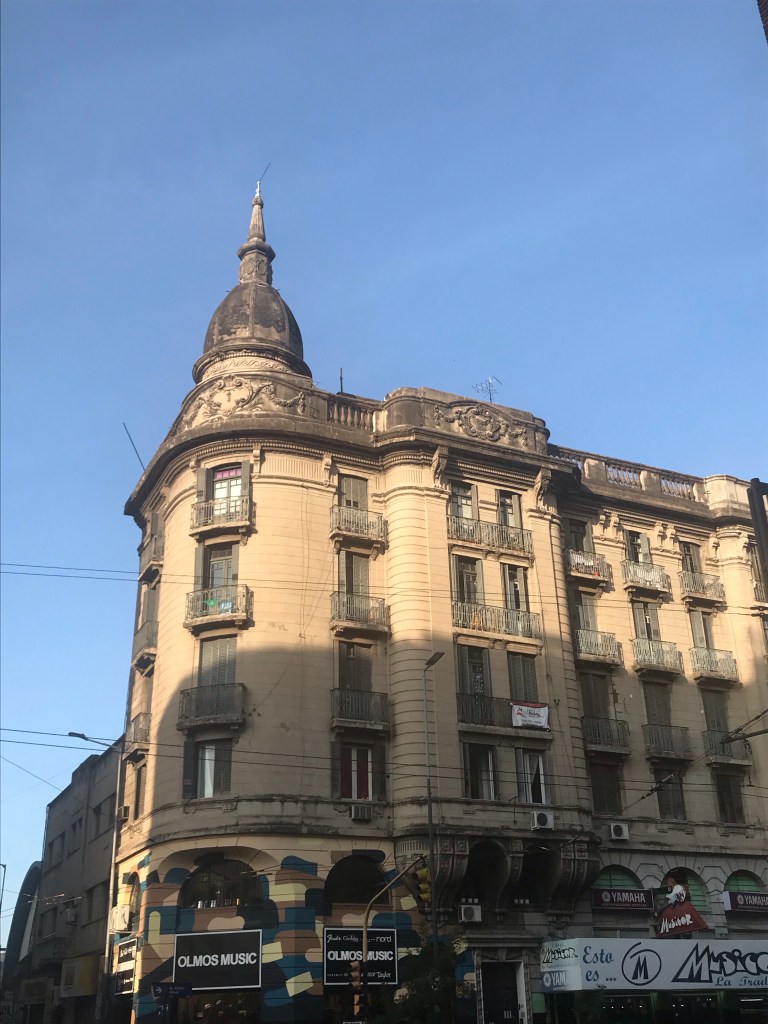
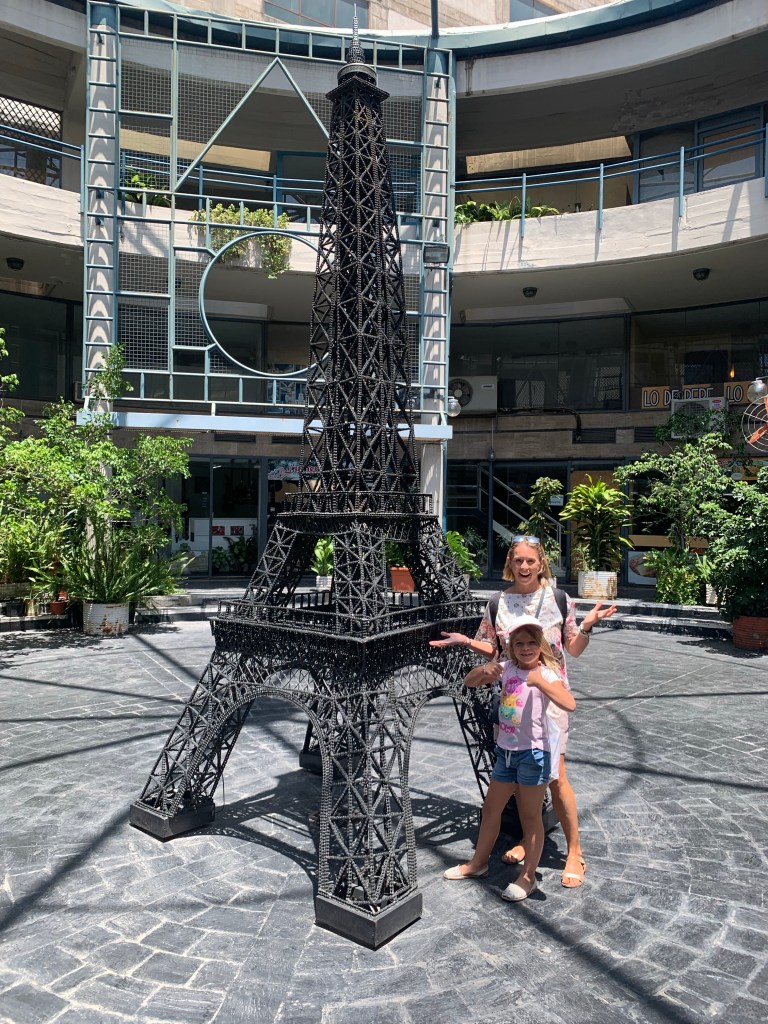
It was in a lively, bohemian area, full of students. We found a synagogue across the road to our apartment and several music shops nearby. We dropped our laundry off in a shopping arcade which had a model of the Eiffel Tower made out of bicycle chains.
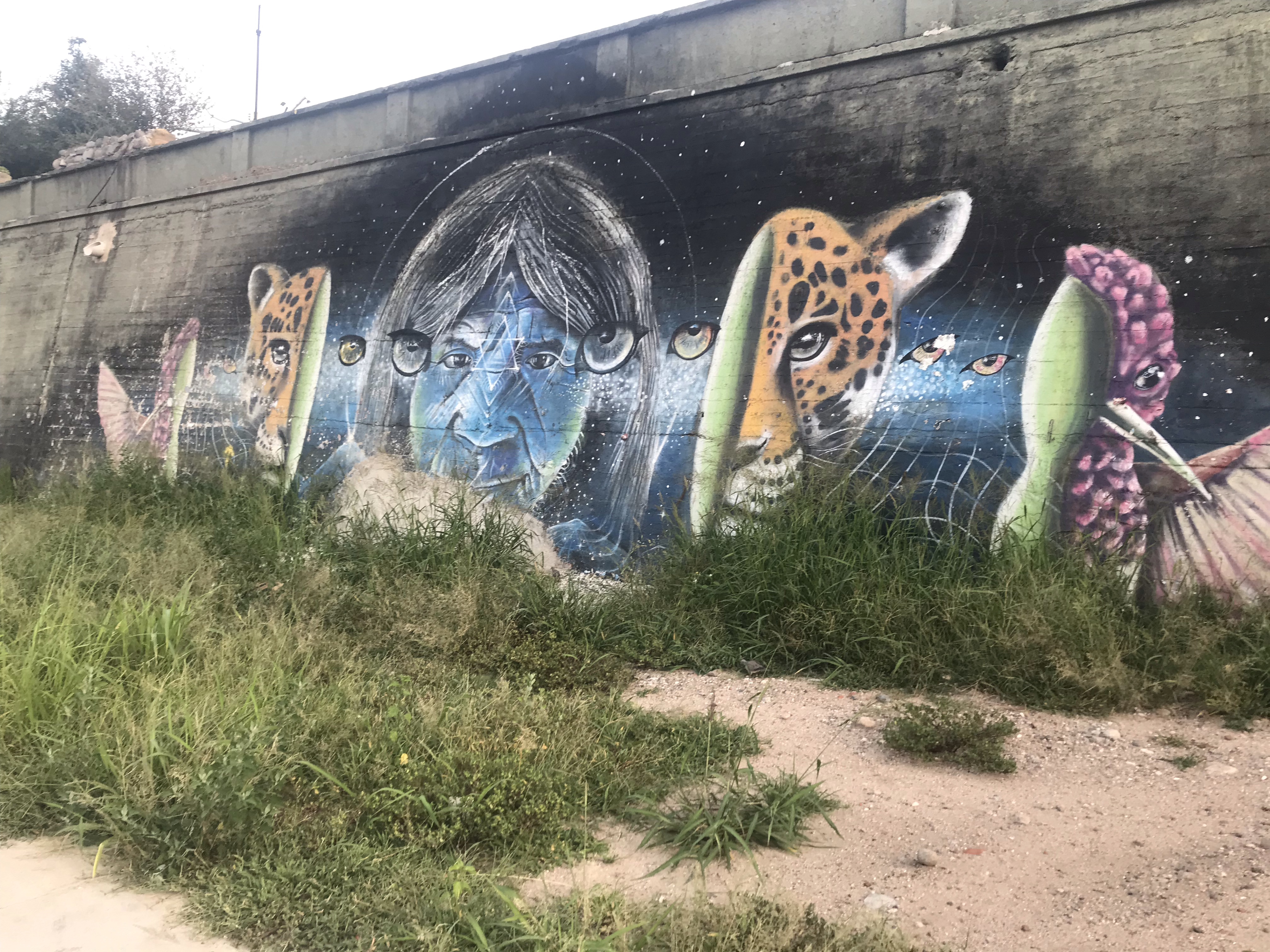
On a run I took one morning along the river (Rio Suquía), revellers were still out from the night before! It definitely had an edgy feel in parts, with interesting graffiti under the bridges and police cars poised to act on the roads above during the early hours.
A few blocks away we found Plaza San Martin, the city’s historic main square.
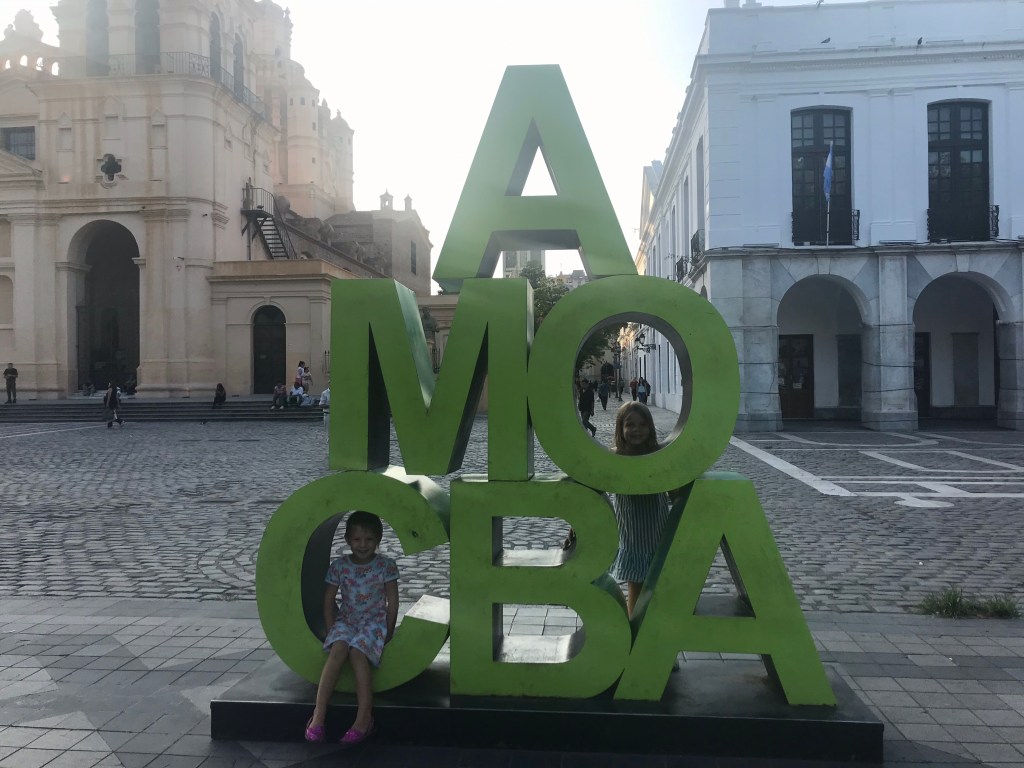
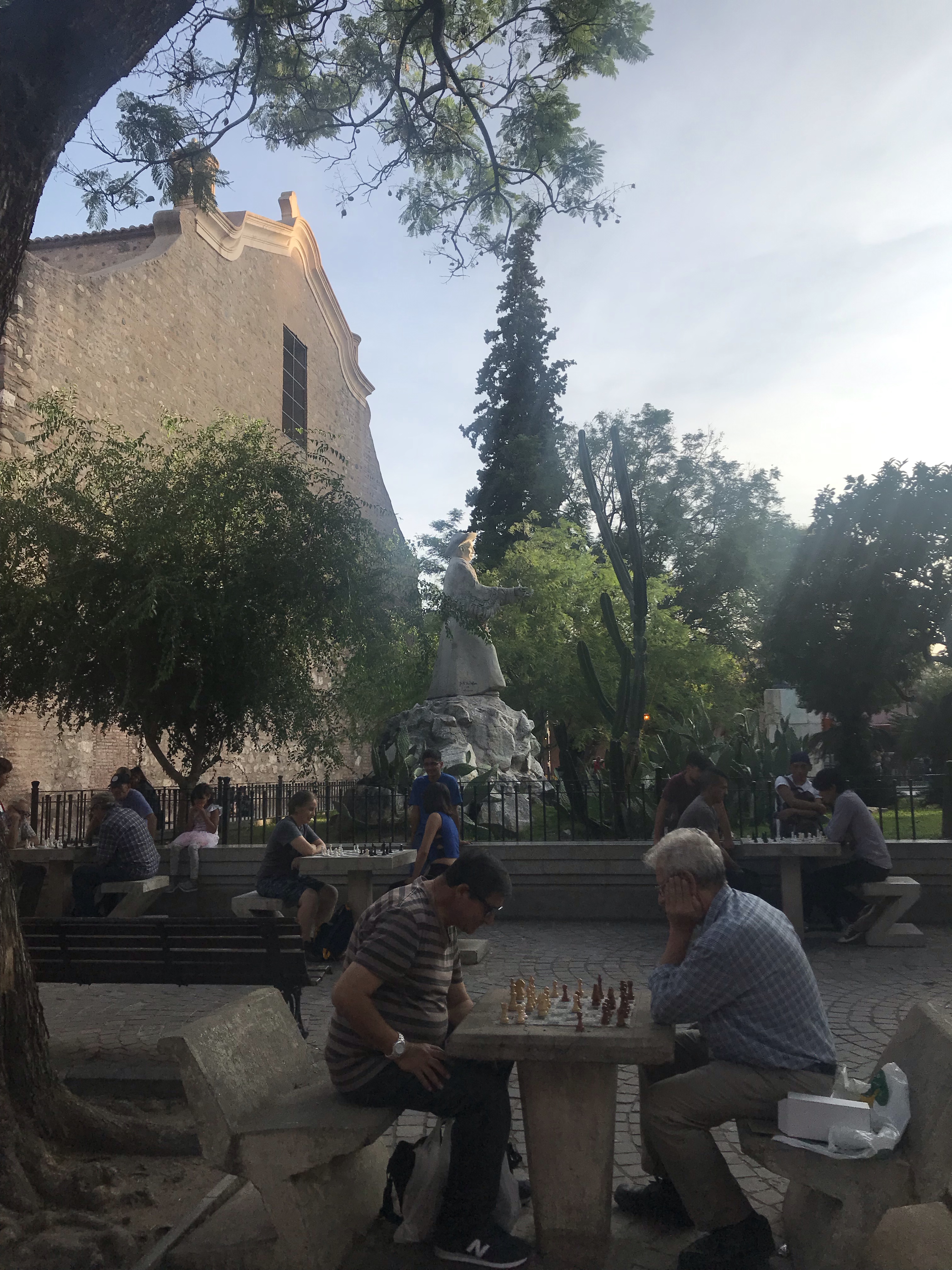
During a stroll on our first night we came across older couples playing chess round the back of the cathedral, another evening the same space was occupied by younger people all engrossed with their personal devices.
The volume of ‘normal’ shops close to the city centre was quite astounding – streets and streets, mainly pedestrianised, with outlets selling cheap clothes and toys stretched for miles. We walked up to Mercado Norte for Saturday lunch, finding a working market and had a very pleasant fishy lunch at La Cocina de Fazzio, with great music and atmosphere.
We had made the mistake of thinking the shops and banks would be open all day, but after finding Joanna some flip-flops sadly everything was shut by 2pm, so we were short of cash and Molly had to wait till Mendoza to find some much-needed new footwear.
Timings generally threw us – after being in New Zealand and Australia where the majority ate dinner at 6 or 7 and were in bed by 10, most restaurants here only opened for dinner at 9. We were the second table in to Alcorta, the only place we could find open at 8.30. We had a mixed meal of meats – service gradually improving throughout the evening so by the time we finished we were asked if we wanted to go and look in the kitchen.
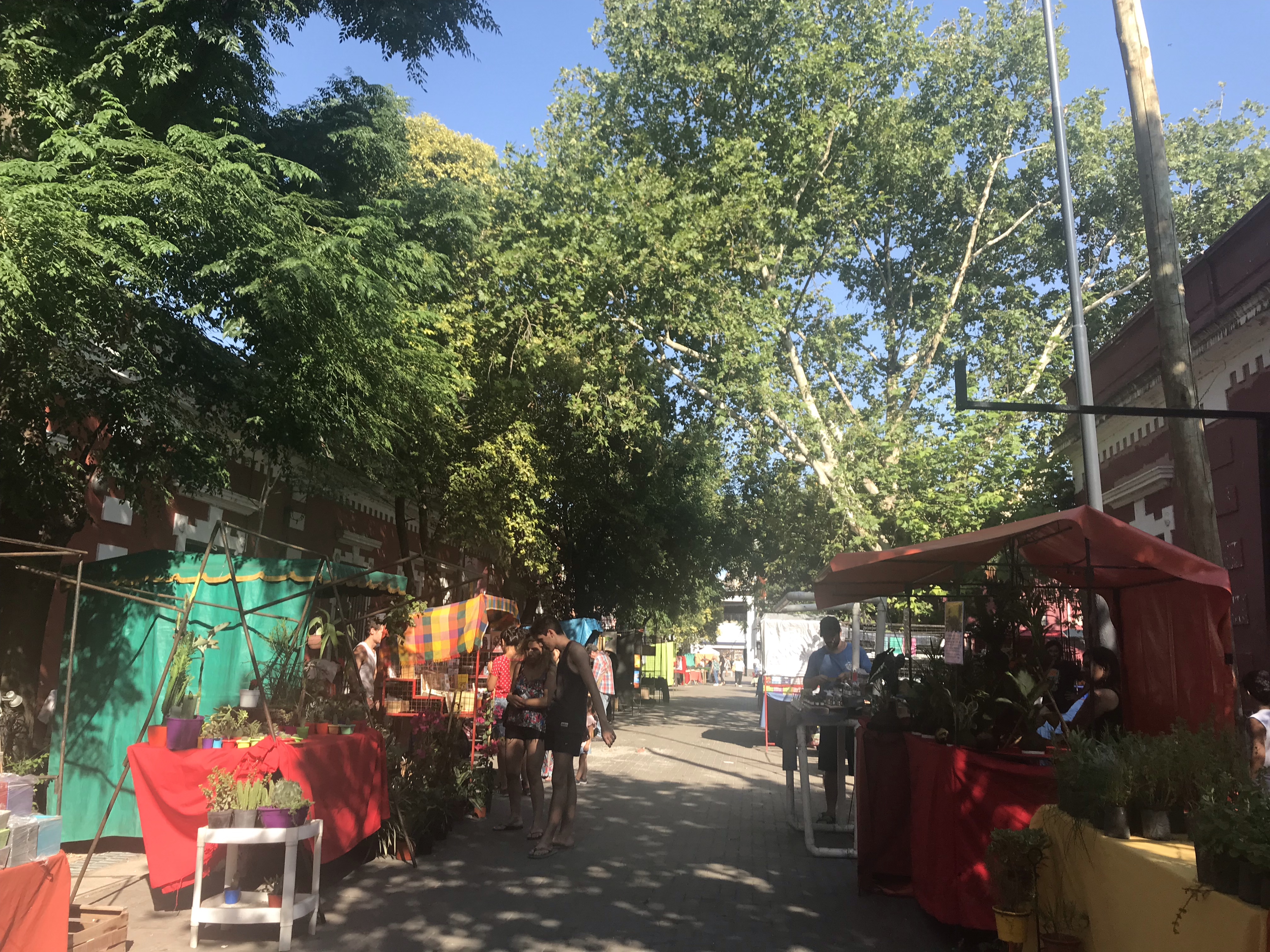
Another, hotter day we tried to visit art museums around Plaza España which also only opened at 9pm, too late for us, so we had to make do with a wander through the arts centre Paseo Del Buen Pastor and a look at its outdoor sculptures followed by a necessary ice-cream stop.
Market stalls around the hippie area La Cañada de Córdoba were only being set up during our early evening stroll, so we had a sweaty drink on a rooftop in the Güemes district and got a cab to Alfonsina for dinner.
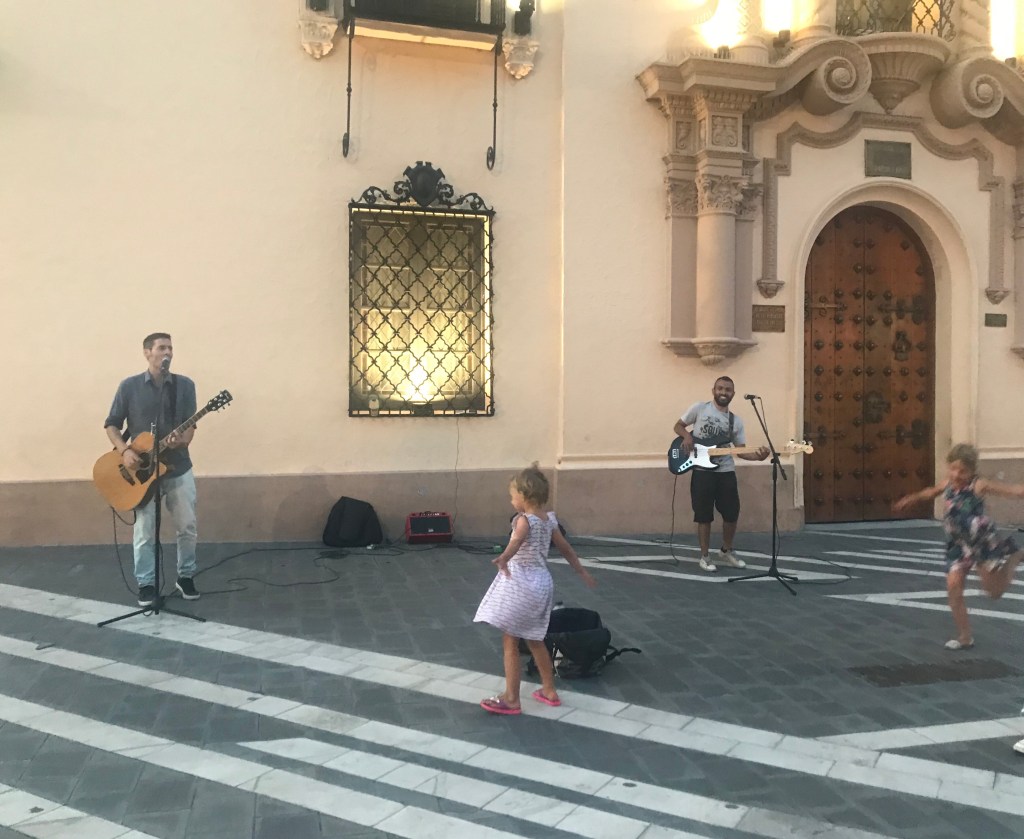
We ate an odd tapas style dinner in an old house, an artist showing us his etchings. The walk back to our apartment was livelier, the girls enjoying dancing by buskers playing Beatles covers outside the Capuchin church.
A chef friend from Dubai had told us about a crazy festival ‘Doma y folklore’ that happens once a year 50km outside Córdoba in a place called Jesús María.
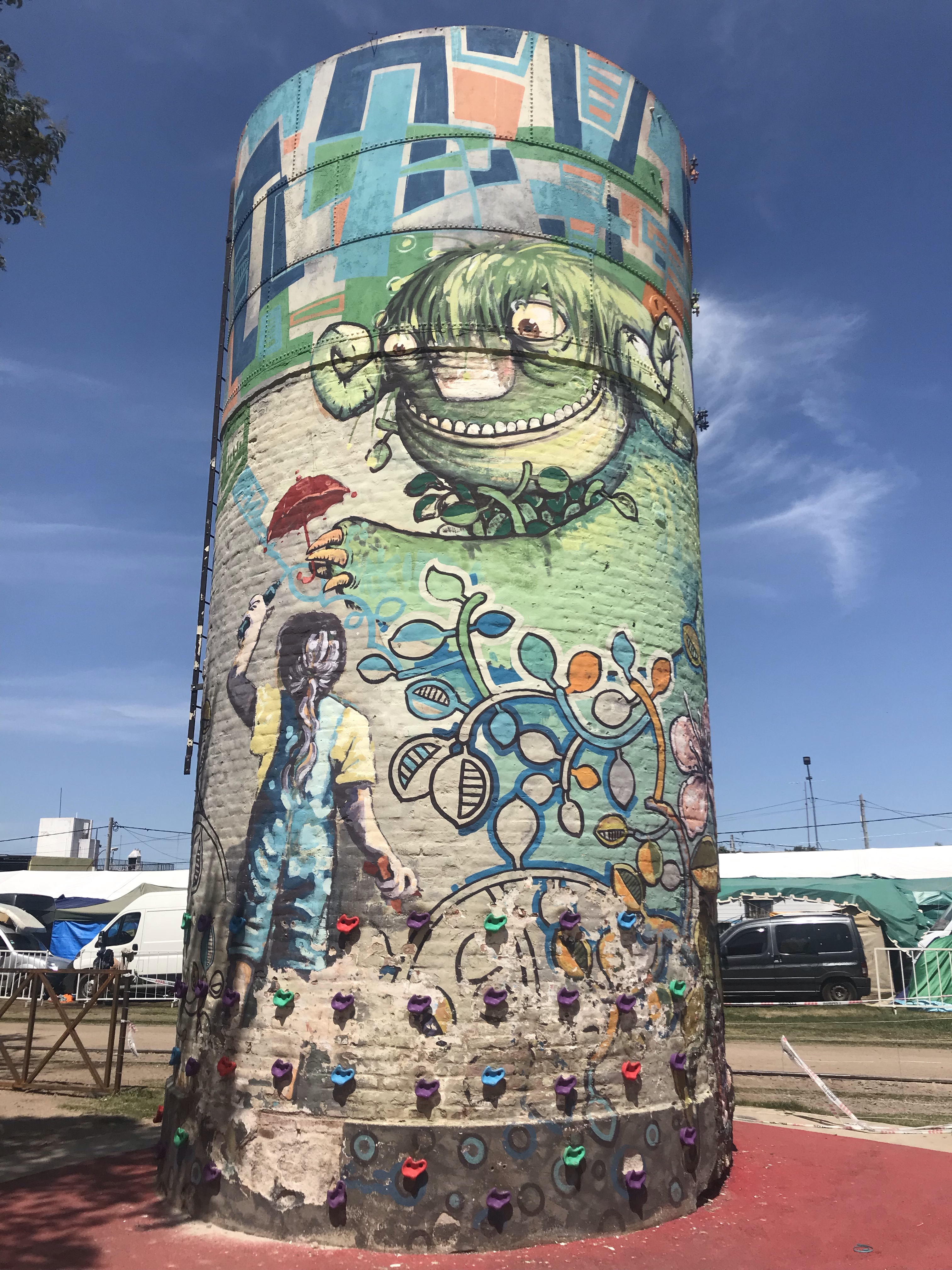
It just so happened that we were there during the 10 days of the festival, so decided to take the hour-and-a-half bus ride there for a day. As we walked through the peaceful parks and streets after alighting the bus, we were surprised to see lots of people sleeping in shady spots during the day. We would later understand why!
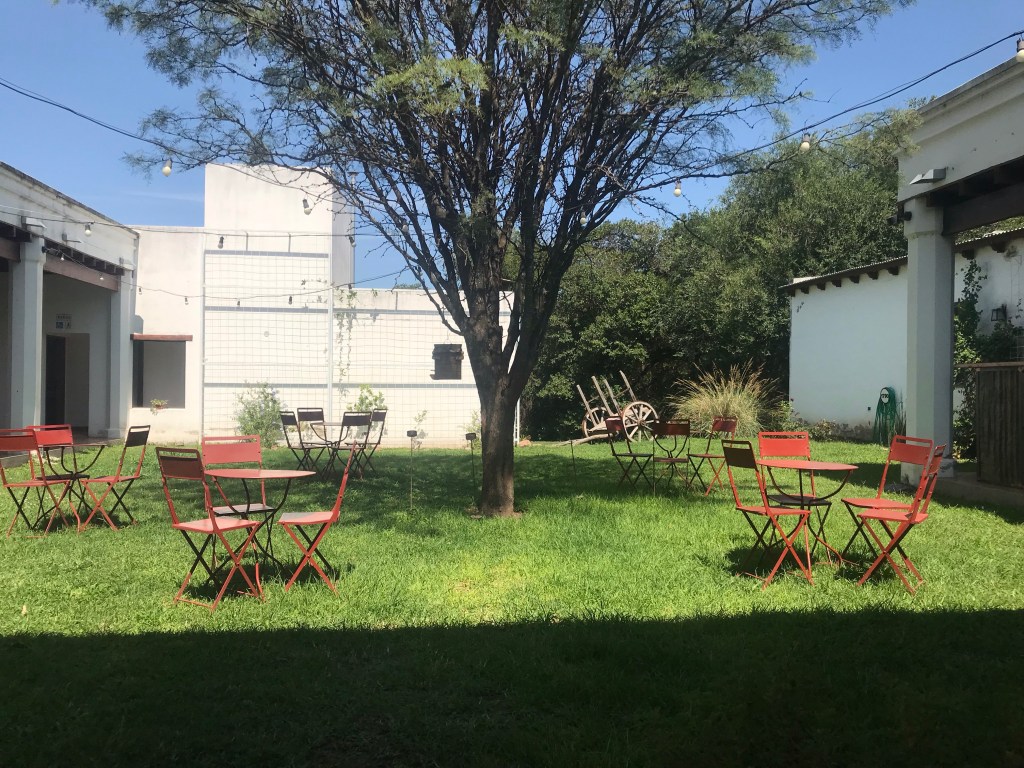
We had possibly one of the best lunches of Egerton world tour (until Joanna smashed the glass water jug) in the serene courtyard of the 1790 café – think a latino Lime Tree.
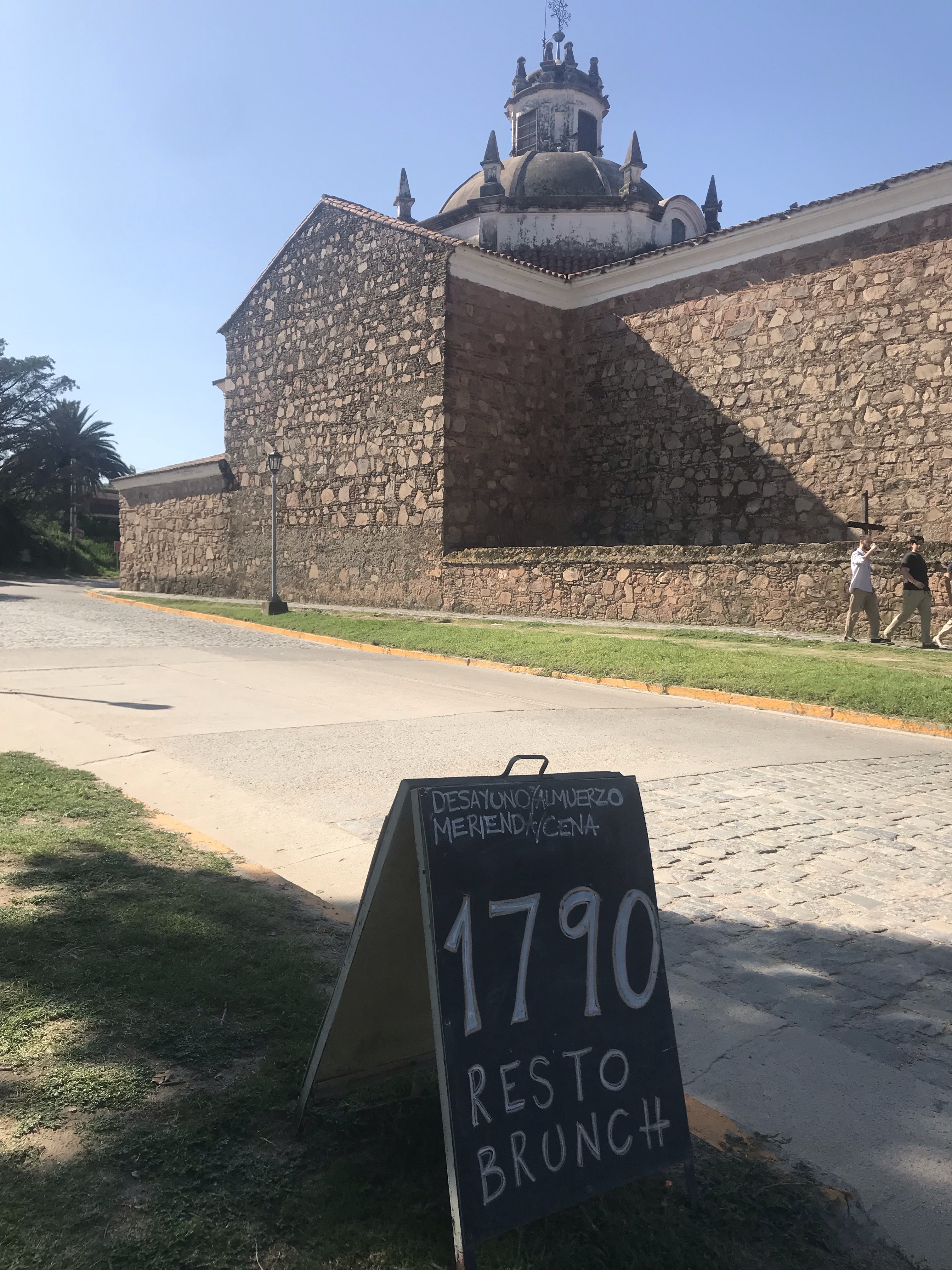
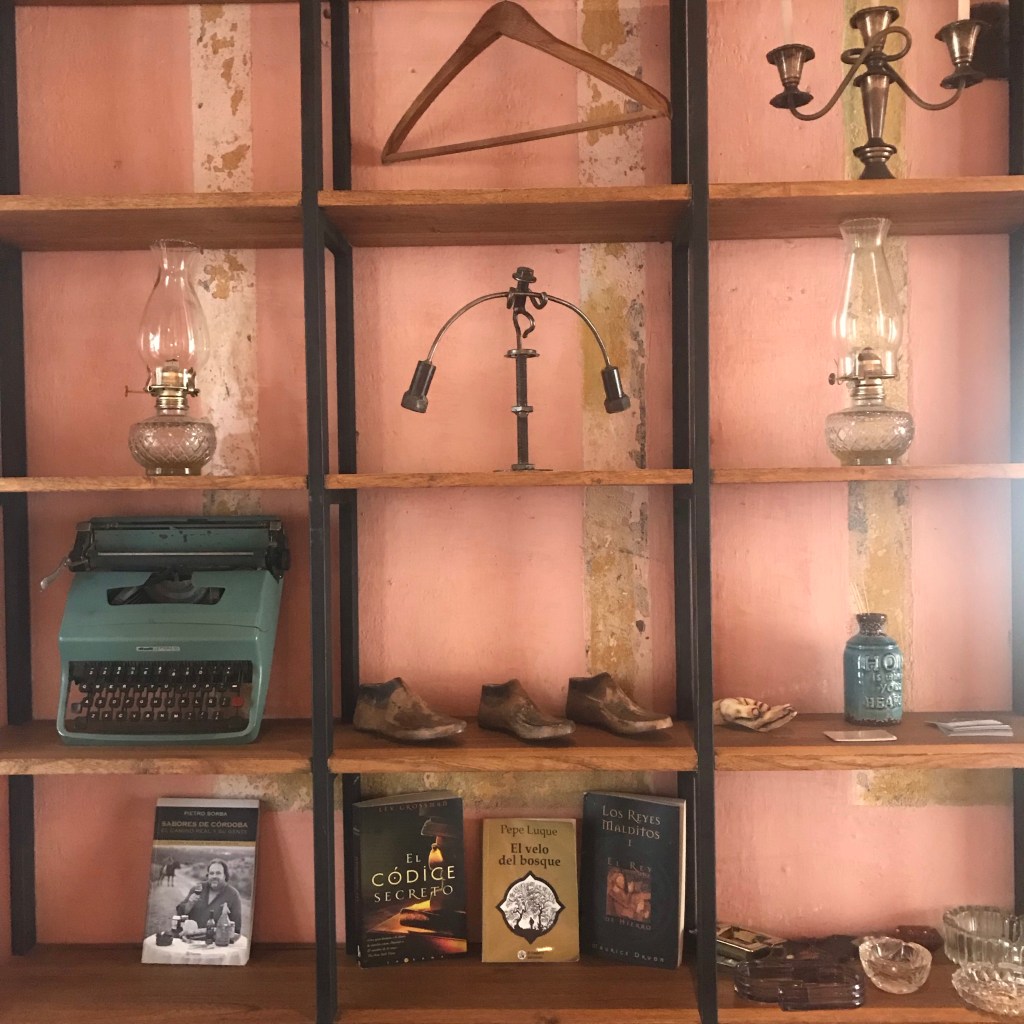
Afterwards we visited the Museo Jesuítico Nacional, granted UNESCO world heritage status in 2000. We used it as an excuse to look round a former monastery in a pretty garden, with slightly eerie devotional paintings, old coins and archaeological bits and pieces.
The Festival Nacional De Doma Y Folklore Jesús María ran from 9-20 January 2020 and we were there on its middle weekend.

Doors to the Anfiteatro José Hernández opened at 6pm so we joined the queues.
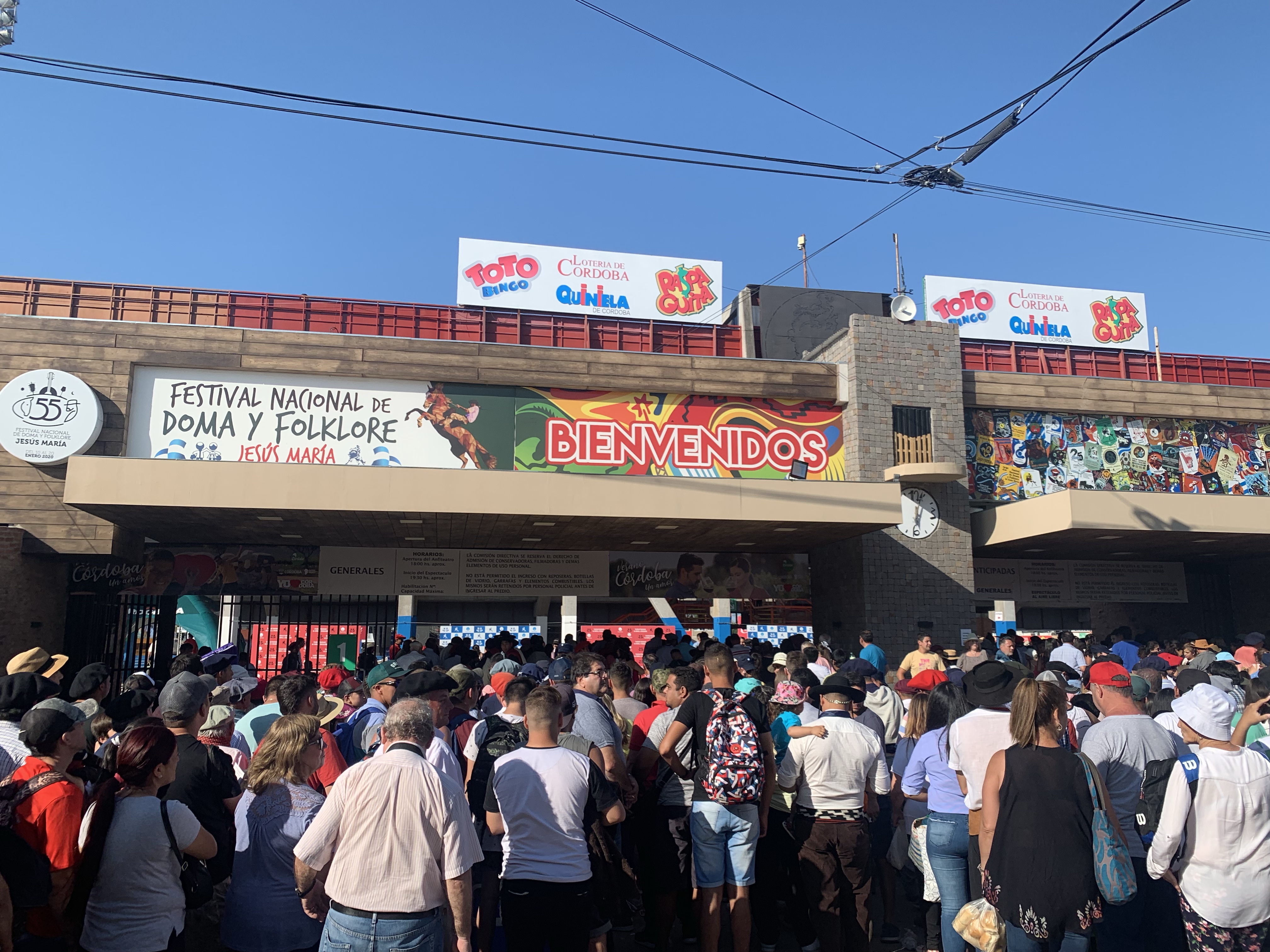
We were a bit concerned that all the family groups were dressed up and clutching vast cool boxes overflowing with food and beverages and rugs and cushions, so Tom rushed off to buy tickets and some supplies while we tried to find a spot to sit, nearly losing each other in the process! One end of the arena was in the baking setting sun, so we opted for seats in the shade nearer the horses pens.
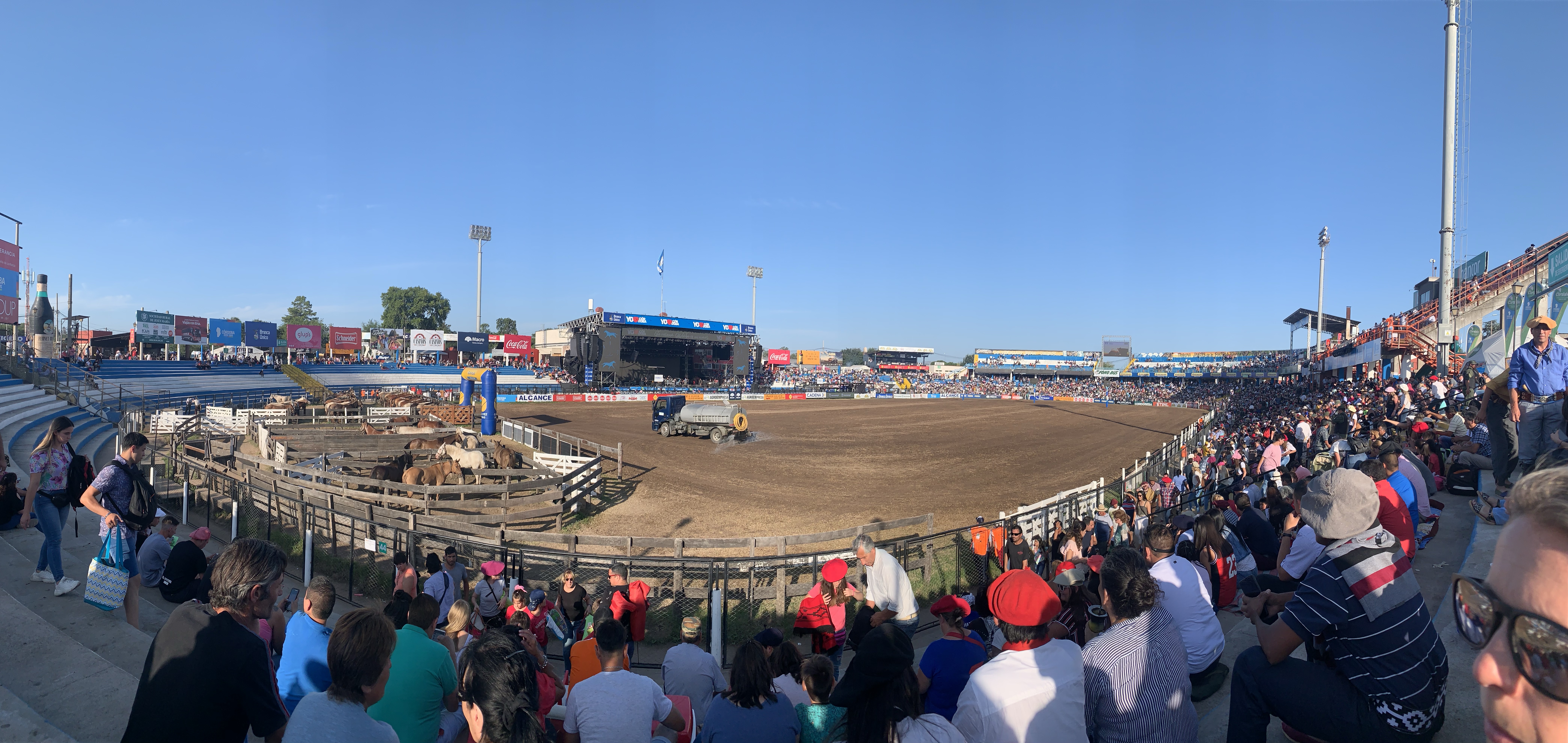
The action took place in the centre of the stadium, with a stage facing us on the other side. It didn’t take long for the live music and action to begin. A wild horse was tied to one of three posts in the arena, a gaucho took a seat on its back (some rounds had saddles to hold on to, others didn’t). The horse was then released and the gaucho would try to stay on for 10 to 20 seconds, until a gong sounded.

It was truly terrifying – riders were frequently thrown dramatically to the ground from their bucking steeds. At the end of each round two gauchos on horseback would pounce, rescuing the rider from the wild horse.
At the same time, the horse was skilfully directed back by other gauchos to the pens. And repeat. And repeat. Endlessly. In all there were 20 or so horses running around at all times, some with riders and some without. Everything appeared to be just under control, despite happening at a frantic pace.
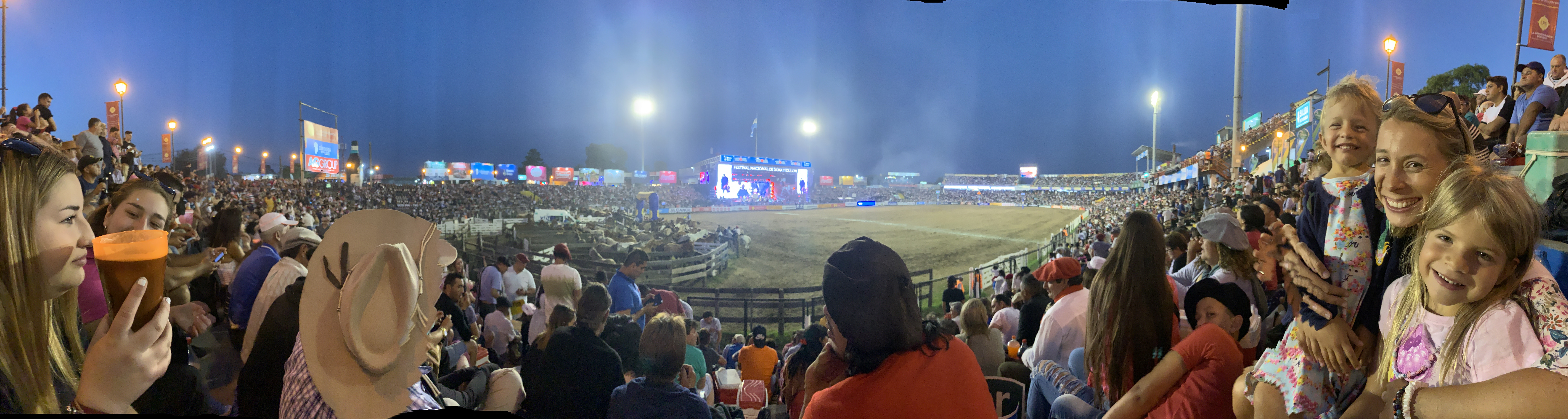
Two ambulances waited until they were needed – which they often were, stopping the action to come into the stadium and take the afflicted men away to be treated. Our Spanish was unfortunately not good enough to understand much of the commentary or to satisfactorily communicate with the groups sitting around us apart from friendly smiles and offers of sharing food and drinks (there was one awful moment when my full glass of Fernet and Coke spilt on the family sitting in front of us, a stickier mess you can’t imagine…)

We didn’t come across a single other foreigner or tourist, we felt privileged to witness such a truly Argentine event, the crowds swelling as the evening progressed but from what we witnessed, always content and happy, of all ages. There must have been tens of thousands there.
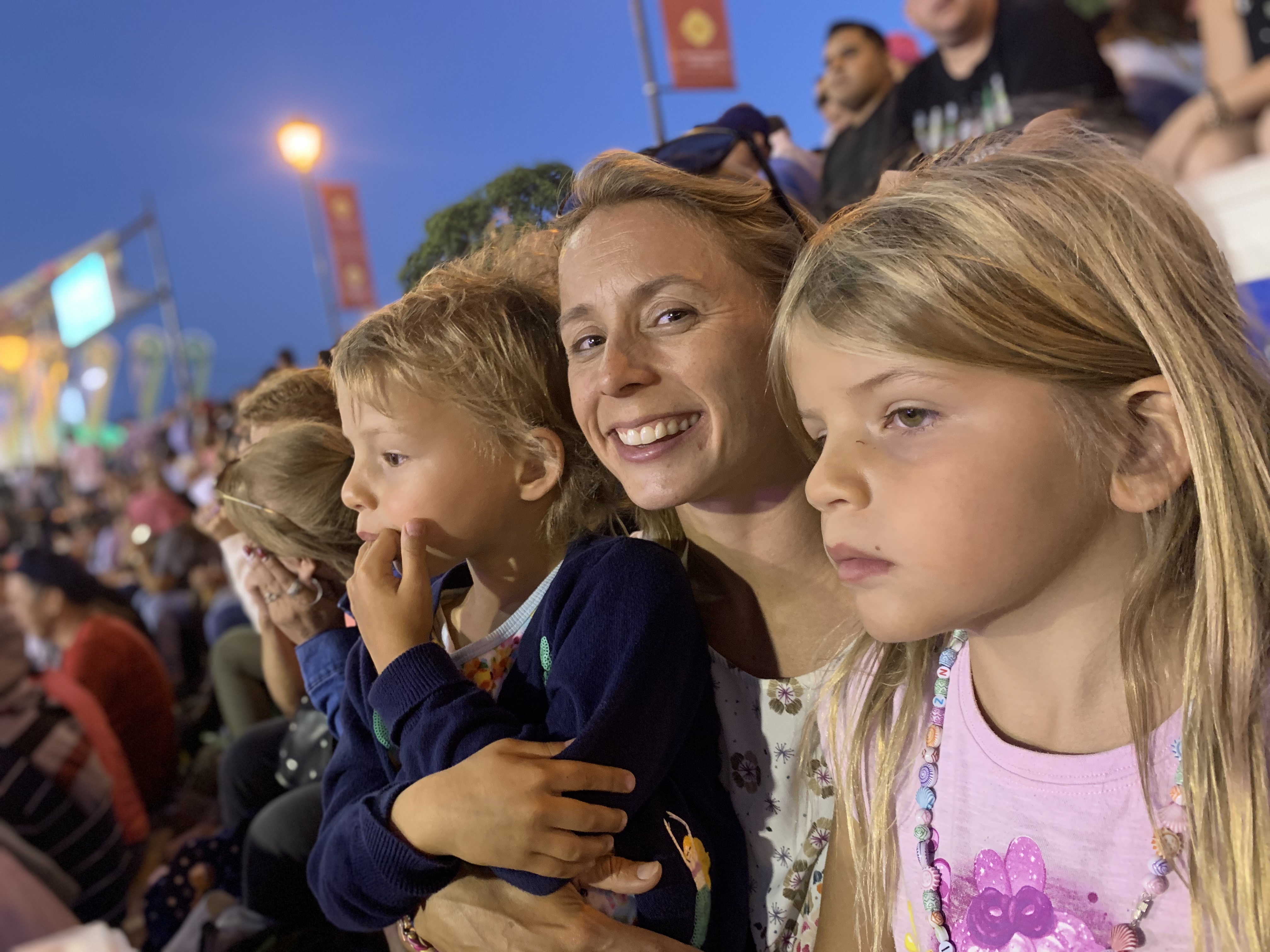
The music and gauchos showed no signs of stopping. Around 11pm we felt we really must go – but people were still just arriving. It was clearly going to go on until the early hours, hence the extended alfresco siestas we had witnessed earlier. But for us it was at least half an hour walk to the bus stop and over an hour’s bus ride back to Córdoba – MoJo had the latest night out of their lives!
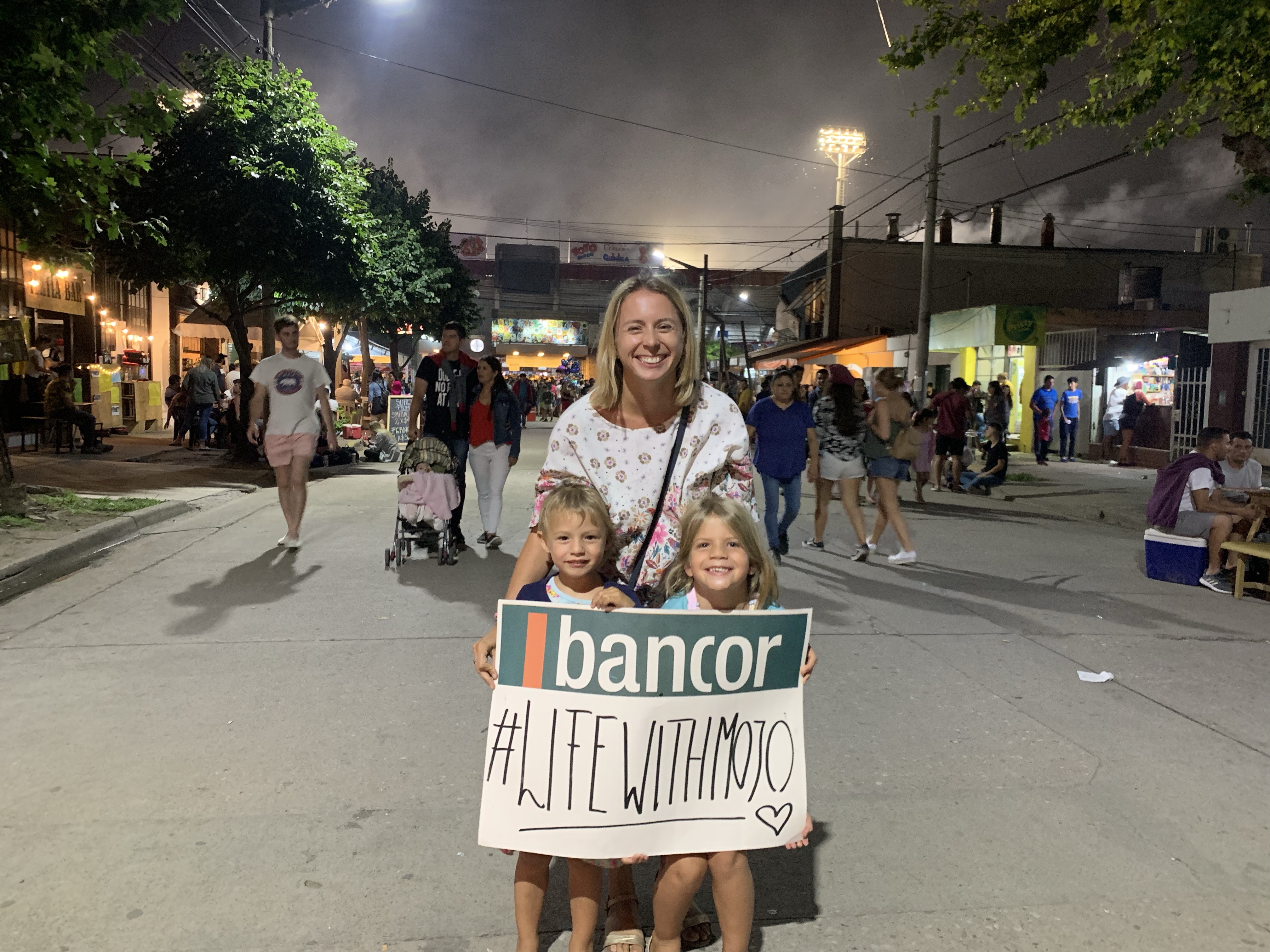
We revived ourselves with some pork lomo from one of the many street stalls set up on the roads surrounding the stadium, locals clearly set up outlets in their front gardens during the festival. Jesús María had been a real find, providing a truly memorable day and night on the Egerton World Tour.
Our final stop in Argentina is a place we know well from bottles of red wine – Mendoza. We certainly ate and drank very well there. We were staying a short walk from the main squares, the roads wide, built after the 1861 earthquake.

I was presented with my gluten-free breakfast on a silver tray at Hostel Confluencia where we had chosen to stay, a centrally located hostel with a great rooftop terrace.
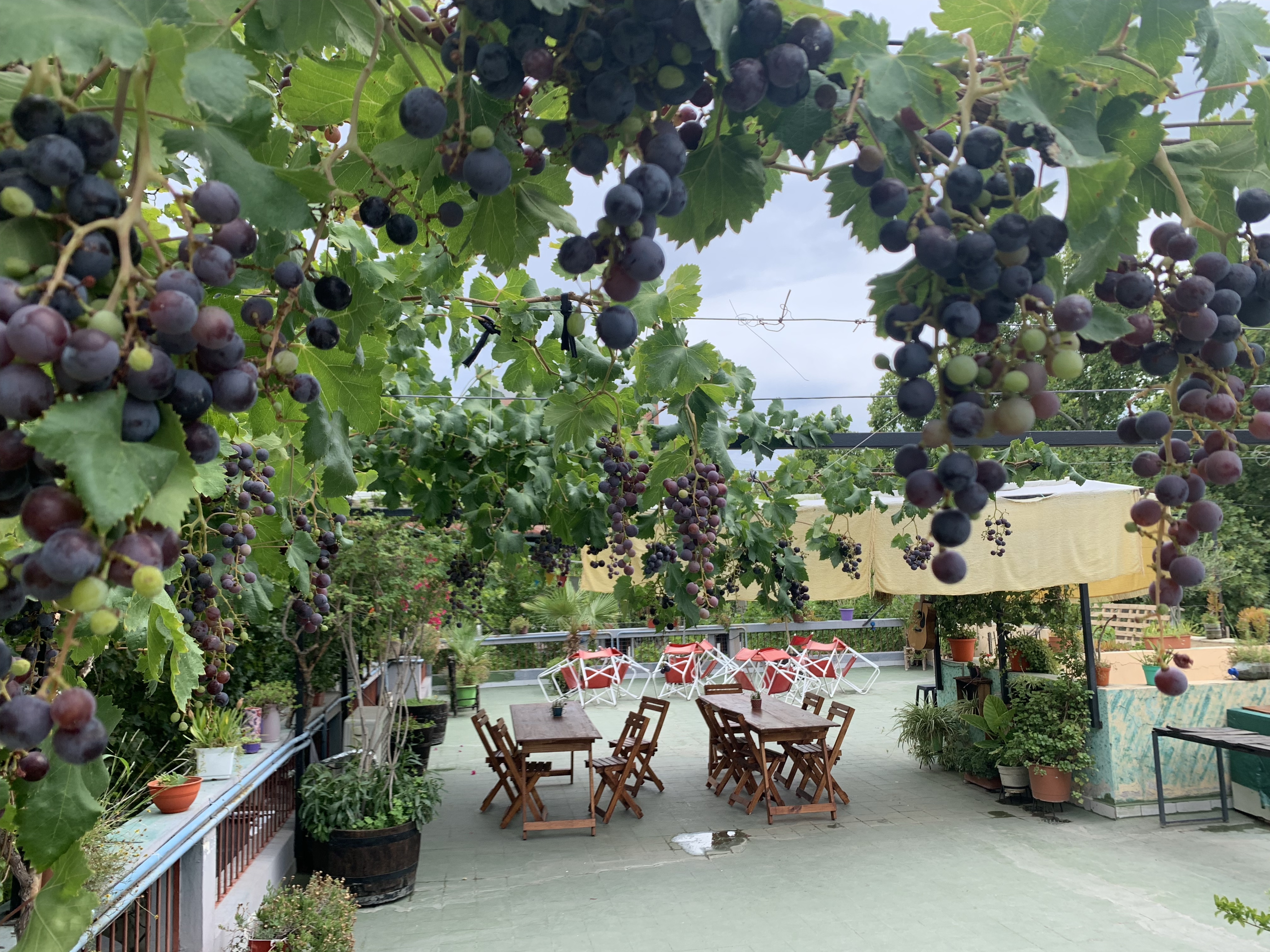
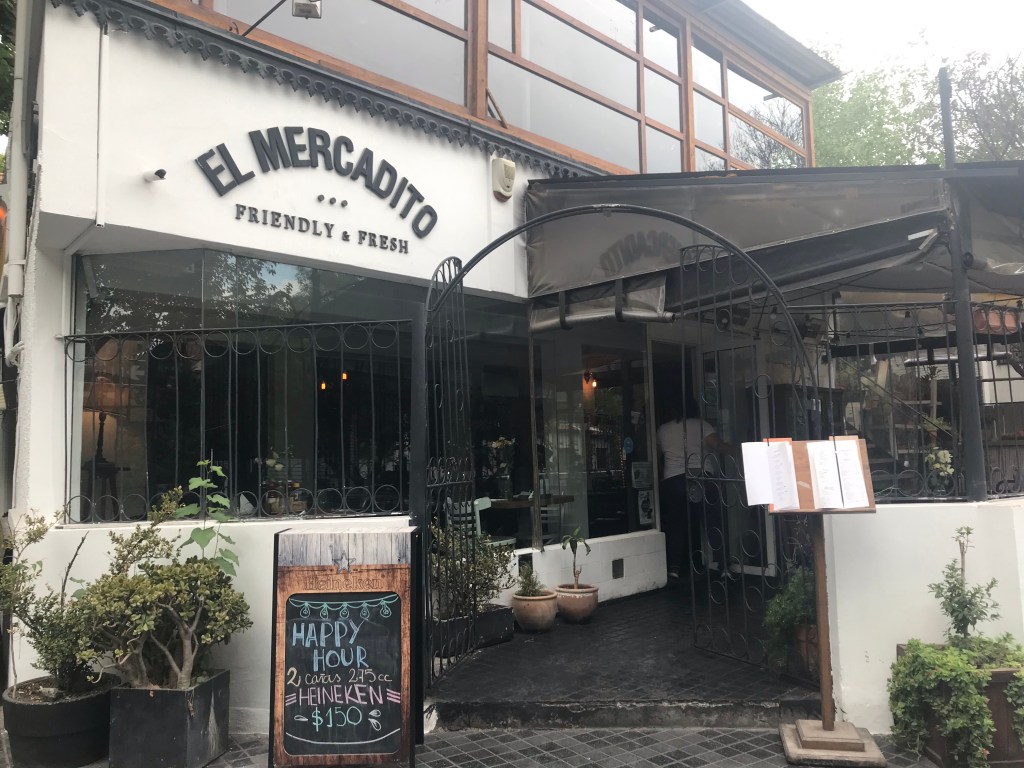
On our first night we trekked across town to Avenue Arístides Villanveva which promised several great eateries, picking El Palenque with a wine cellar on view downstairs. El Mercadito further up the avenue was where we had our final dinner, a lovely shabby-chic-style outside courtyard and fresh produce.
Another good dinner choice was Anna Bistro closer to the train station, where the puddings were especially good: a chocolate volcano and crème brûlée.
We had a traditional Italian lunch near our hostel one day at La Barca and enjoyed a walk through a government supported contemporary art space afterwards. Another lunch at Bröd café found us in a pleasant, albeit sweaty, courtyard.
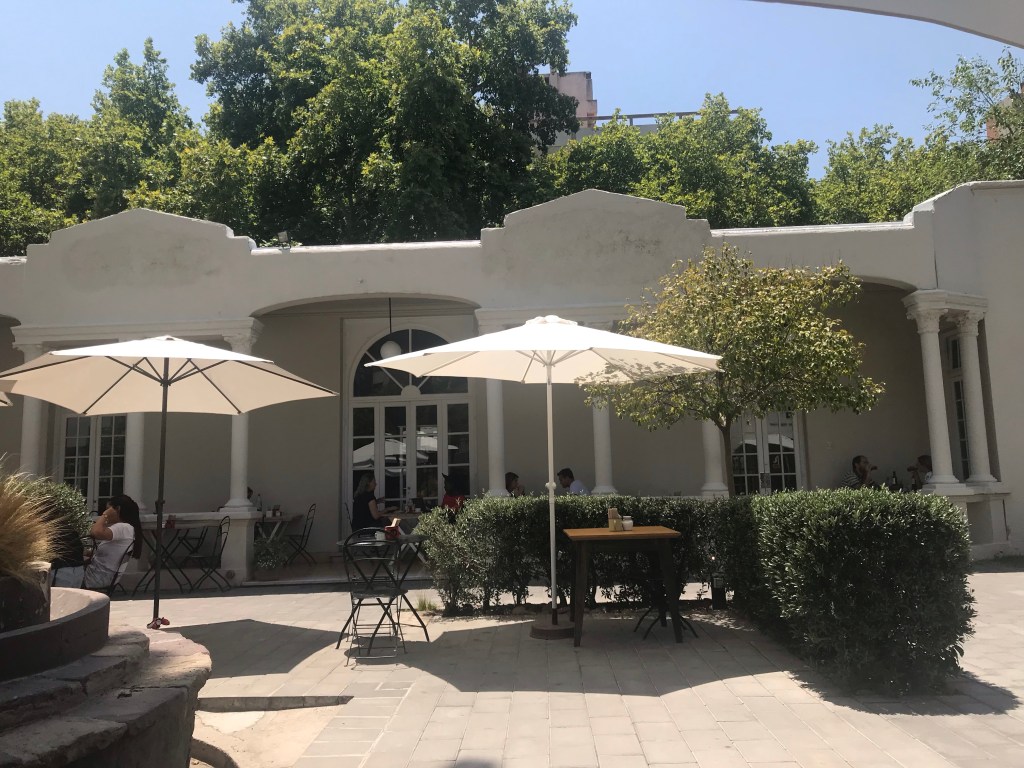
Siestas were essential as the heat in the middle of the day were intense and again, dinner started late.
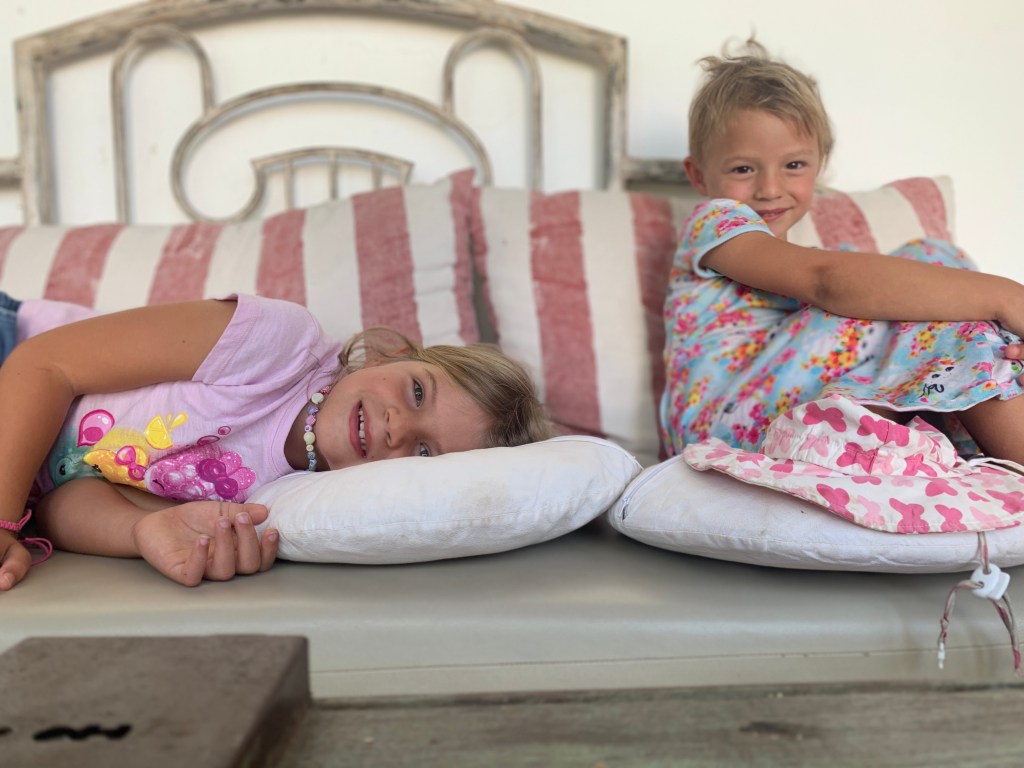
We knew we needed to book two trips, a visit to a vineyard and a gaucho tour, but needed to find options that were suitable for MoJo. We did well.
First up was the gaucho experience, which we booked through an agency in town. We were a little nervous when our run-down minibus had finally stopped driving in circles collecting more and more people from hotels and was heading pretty fast down a very bumpy track. But we had nothing to worry about. The ‘ranch’ was great – the gauchos lived there with their families, there was a swimming pool, swing and kids toys as well as a host of animals, pigs, rabbits and enormous chickens, as well as the horses themselves.

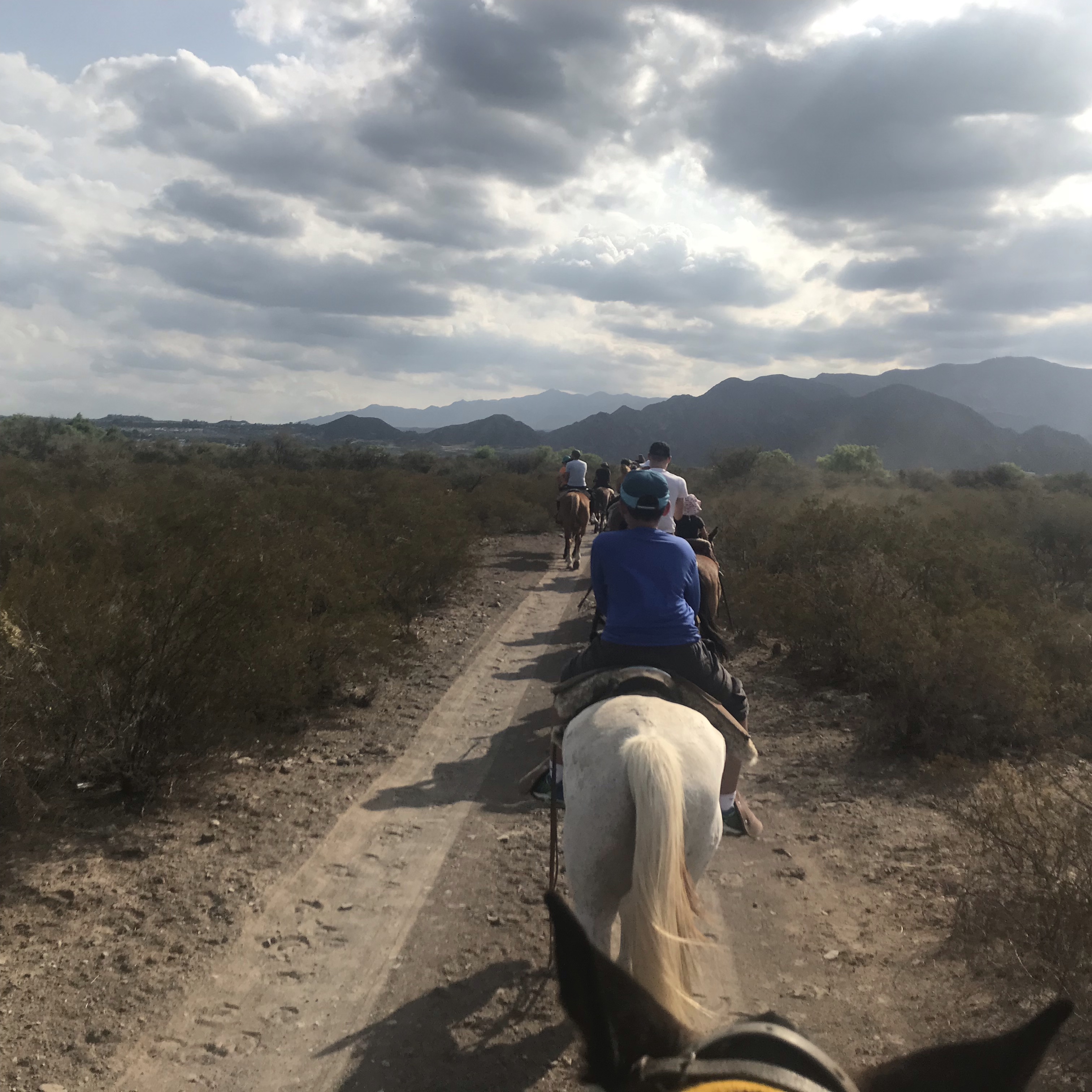
The trek itself was truly memorable, riding through the countryside with such a dramatic skyline surrounding us. Joanna rode right up at the front of the group, her reins tacked onto the leading gaucho for safety. We discovered with amusement that Molly’s horse was called Mollina!
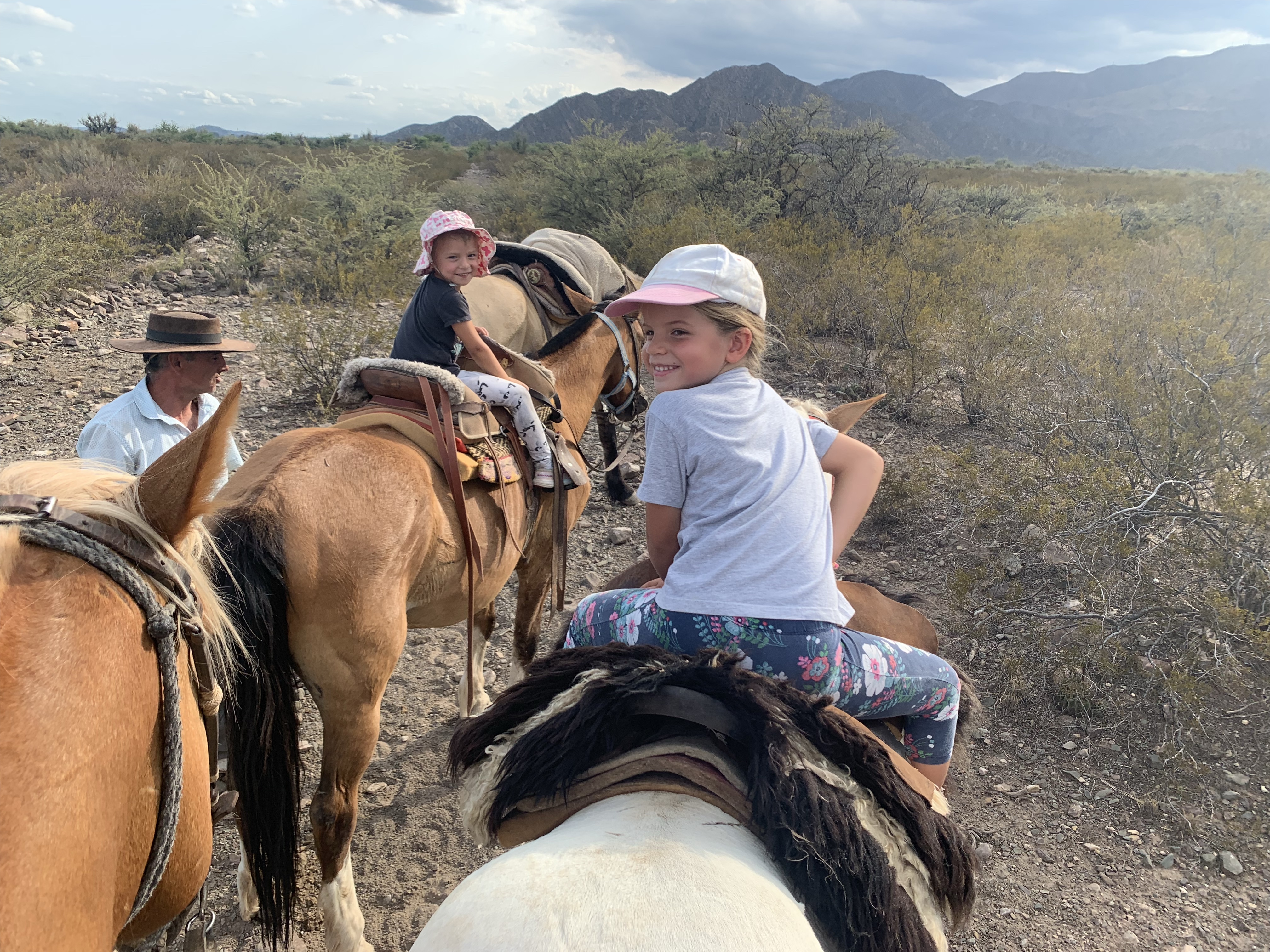
Tom (who isn’t famed for his love of horse riding it must be said) was on a strapping brown stallion, my horse, Miguel was older and slower….so I couldn’t help but bring up the rear most of the time.
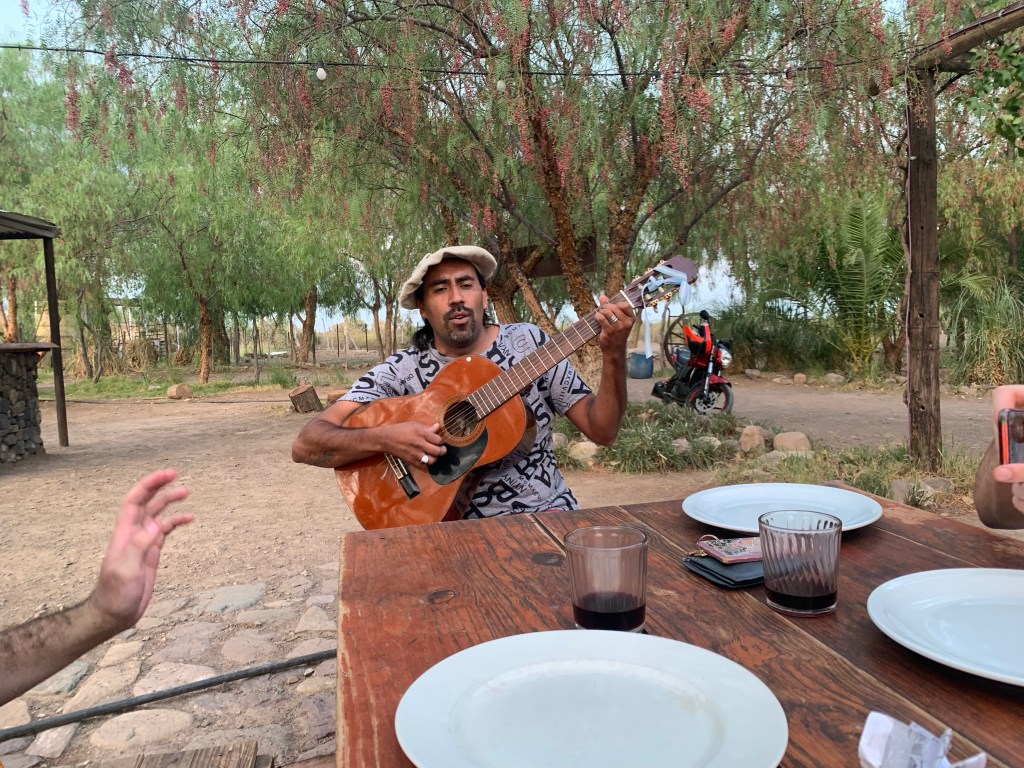
Once back at the ranch we had swims and started on the free-flowing red wine chatting to our fellow tourists who ranged from British gap year students to a Brazilian family and other fellow European travellers. We were served a mouth-wateringly authentic Asado BBQ and were entertained by a guitar player until it grew dark and it was time to get back on the minibus.
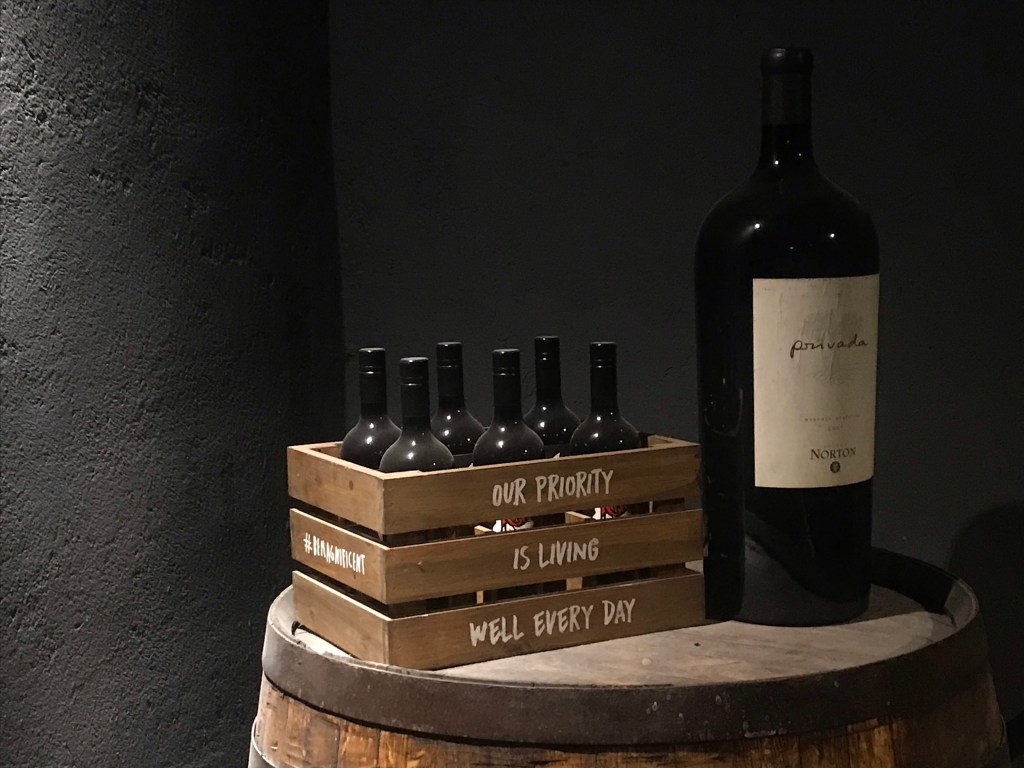
Rather than doing a classic wine tasting tour of numerous vineyards, which would have been tricky without our own transportation, we decided to just visit Bogegas Norton for a wine tour and to take what sounded tailor made for us: a Junior winemaker class. Founded in 1895 (not coincidentally the year the Buenos Aires to Mendoza railway opened) by an English engineer who imported French vines, the company was sold to Swarovski in 1989.
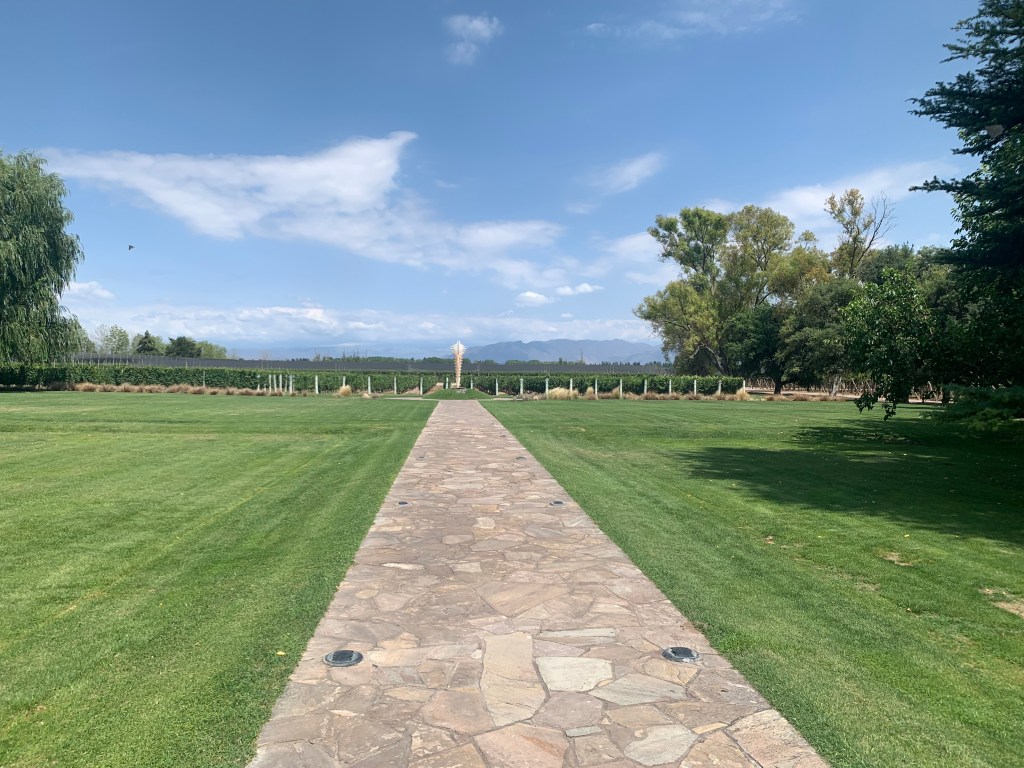
Today Norton makes 25 million litres of wine a year, 70% red wine. Black Sheep was our top pick, only 5,000 bottles of it have been made. We enjoyed some sparking as well.

The vineyard we visited in the Luján de Cuyo district (they have five in the region) was 1,200 hectares. Sections of the buildings date from 1919, others from the 1960s, with high ceilings made of oak so you felt you were actually in a barrel yourself.
It was interesting to learn about one way of aging wine, in an amphora clay barrel in the shape of a giant egg, which our tour guide Julietta assured us was going to grow as a technique in the future.
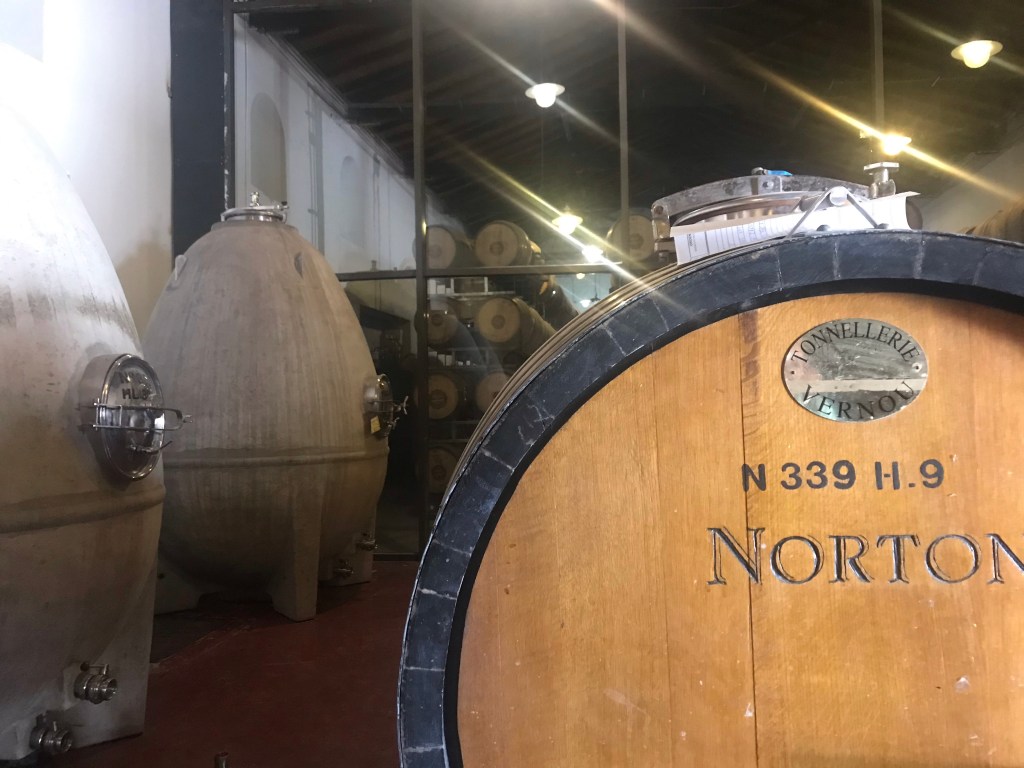
She was new to the company but very well informed, and not shy of generous pours on our tasting stops!
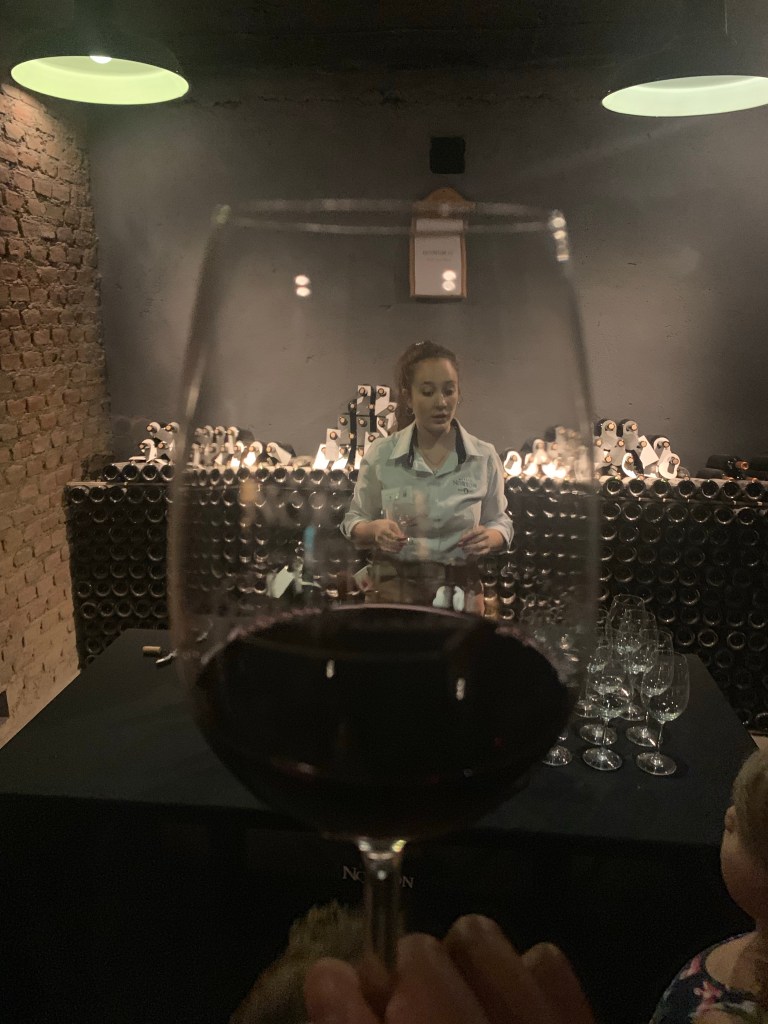
She also left the four of us alone for quite some time in a magical cellar to create our perfect blend of wine.
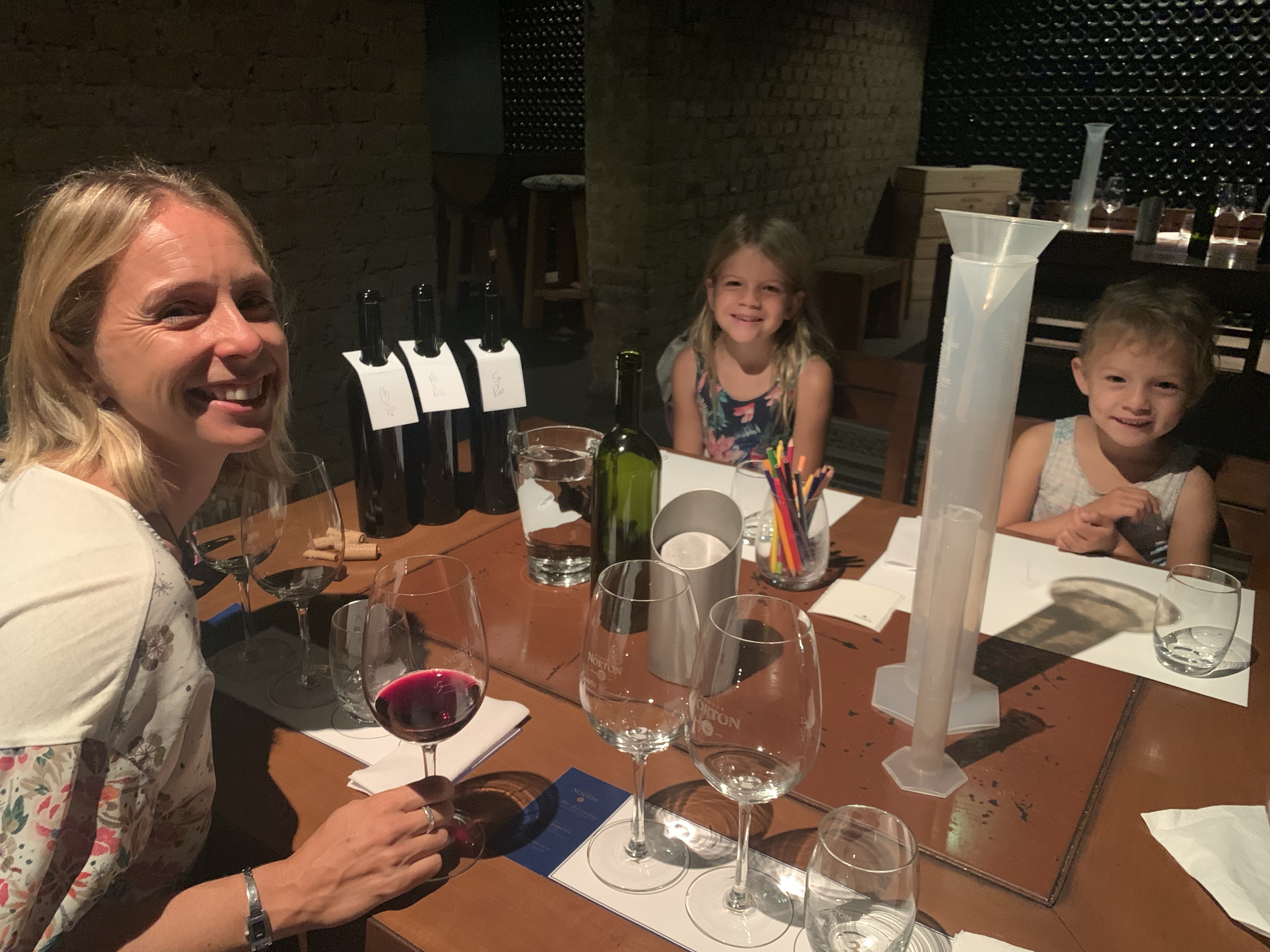
Classical music and dim lighting apparently aided the aging process. We were given full bottles of Malbec, Syrah and Cabernet Sauvignon and a series of measuring flasks to experiment with, making different ratios and combinations until we got it right.
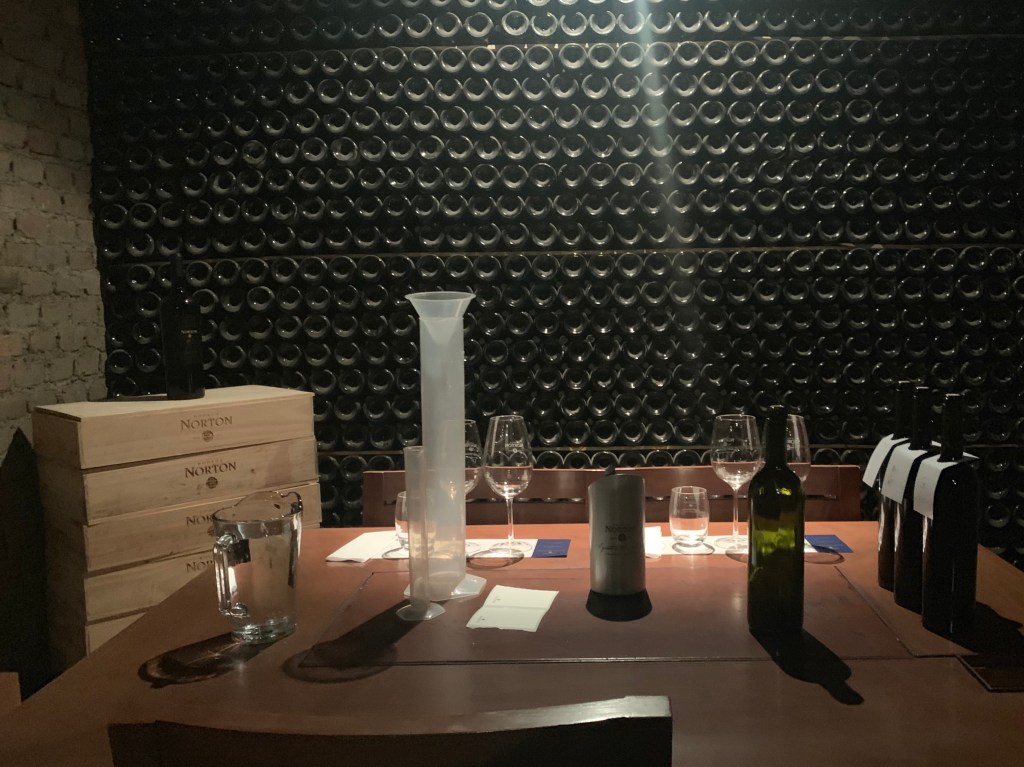
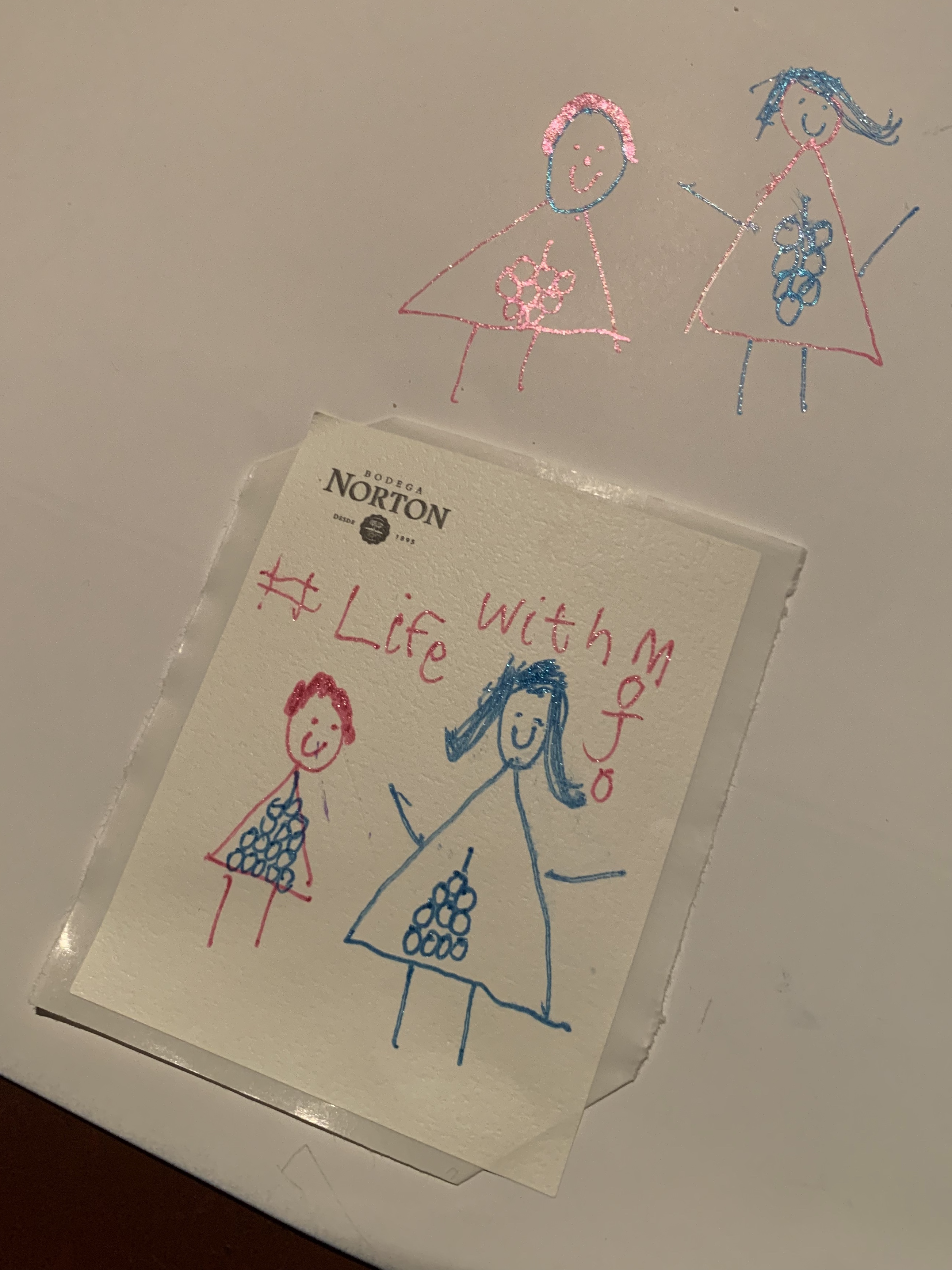
It was MoJo’s job to design the label. What a excellent afternoon. We all needed a siesta in the Uber ride back into town!
Argentina had given us so much: cities full of passion and beauty matched by stunning natural wonders and more red wine and steak than we needed in a lifetime.
 Life with MoJo
And riding again today on Molly’s birthday!
How did Joanna manage to shatter more glass?
Somewhere I have lost the glacier trip . .
LikeLike