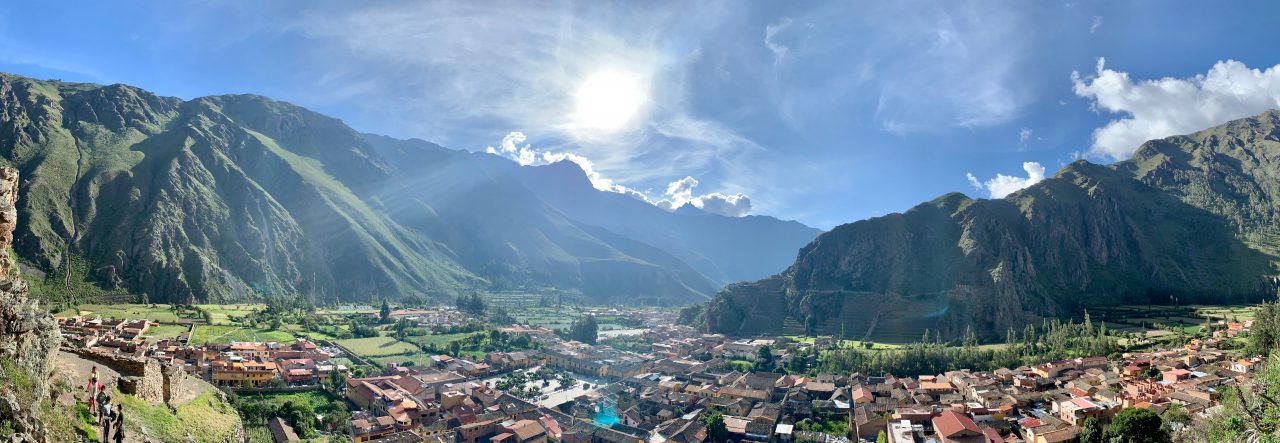
The contrast between the bustling Buenos Aires we had just left and the expansive plains of Patagonia were evident as soon as the plane came into land.
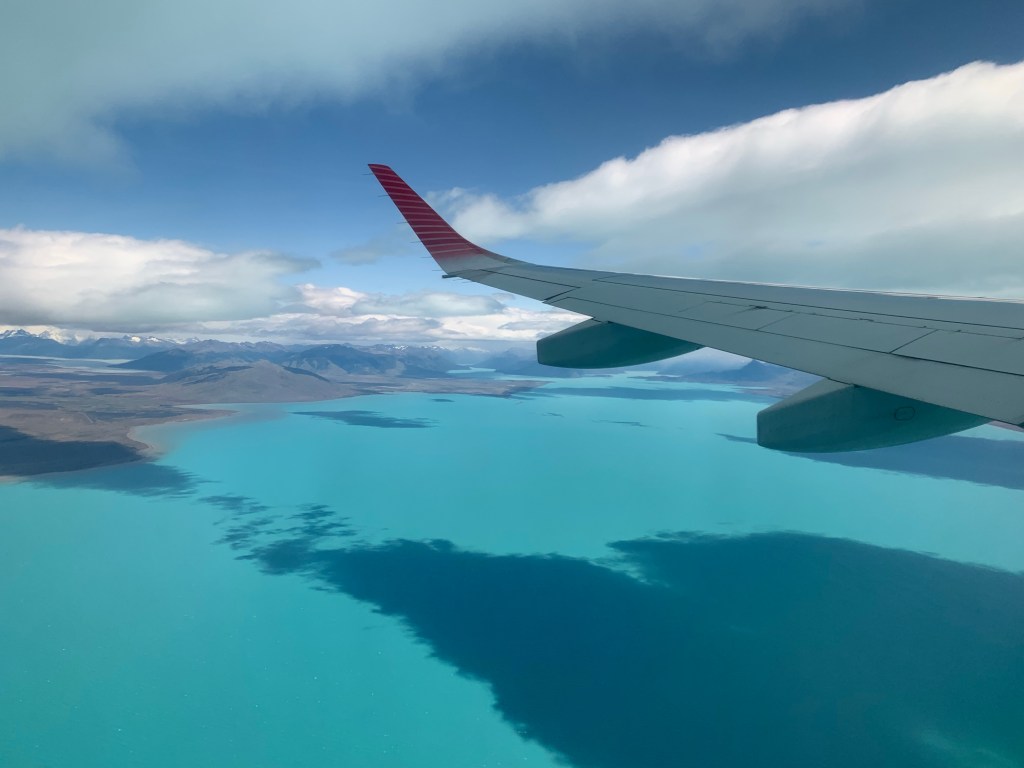
We enjoyed stunning views of the landscape surrounding Lago Argentino, the biggest freshwater lake in Argentina, conscious that we would be spending time in a very special natural environment.
It had been difficult to choose where to go ‘down south’. After being miserably cold during an afternoon in Ski Dubai last July, we had realised a trip to Antarctica with the girls the ages they were would not be a good idea, despite the temptation of ticking off another continent. It would also have taken us well over our budget. To go down to Tierra del Fuego and its capital Ushuaia (the usual gateway to Antarctica) was therefore not really necessary, especially as we had few warm clothes with us! So, we decided to spend our time a little further north in the Santa Cruz Province, engaging with glaciers. Who knows how long they will be there to visit?
We based ourselves in El Calafate, a quaint town on the lake’s southern bank. Upon arrival we were immediately struck by the ‘middle of nowhere’, barren feel to the place, but also that it was quite the tourist spot.
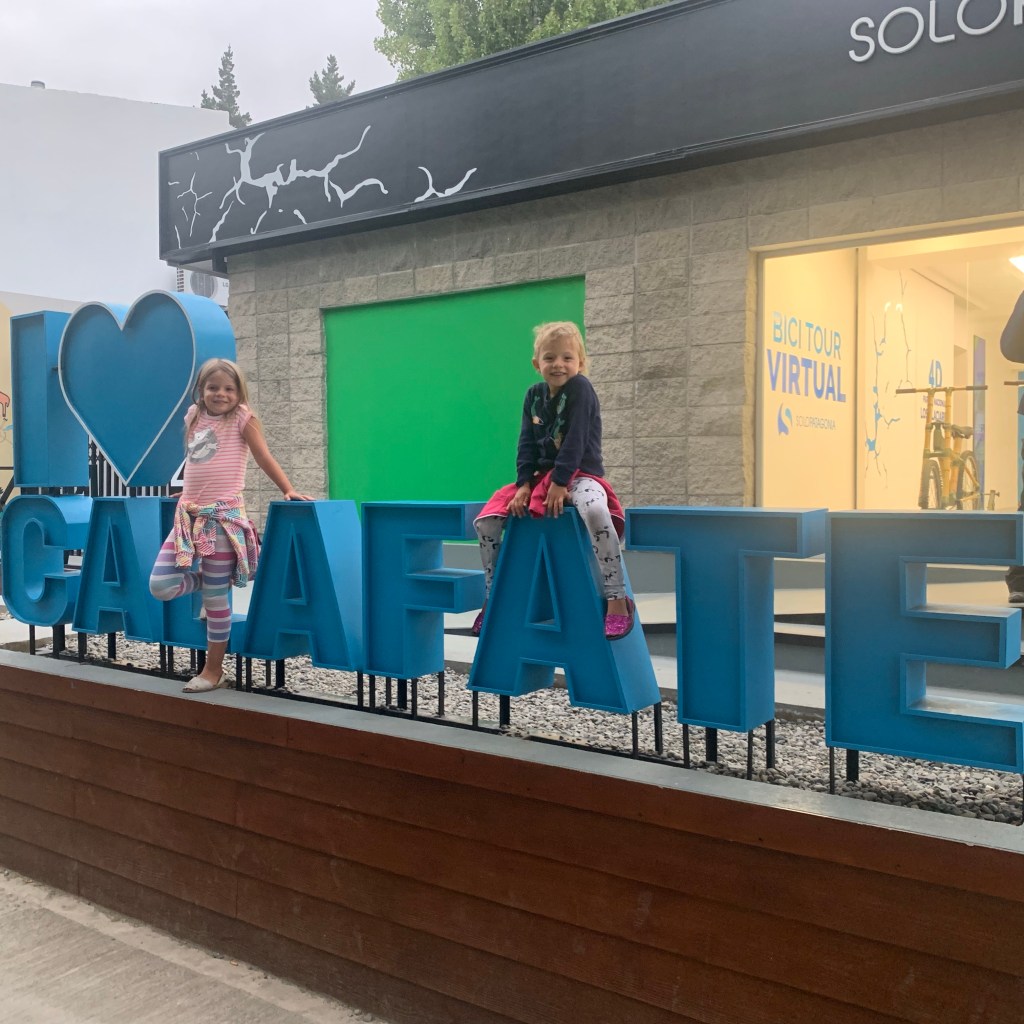
The name ‘calafate’ refers to a little bush with yellow flowers and dark blue berries which we saw plenty of in the wild. We sampled the berries with ice cream and delicious dulce de leche at Buenos Croces restaurant in the centre of town.
We foolishly tried to order an uber on arrival at the provincial airport, soon realising that wasn’t the way to get around and signing up for a return journey on a minibus with a trailer for luggage. Our accommodation was the first stop, with the friendly name ‘Amigo del Mondo’. With dramatic hillside views, it was well located, we could walk 15 minutes downhill to the main drag.

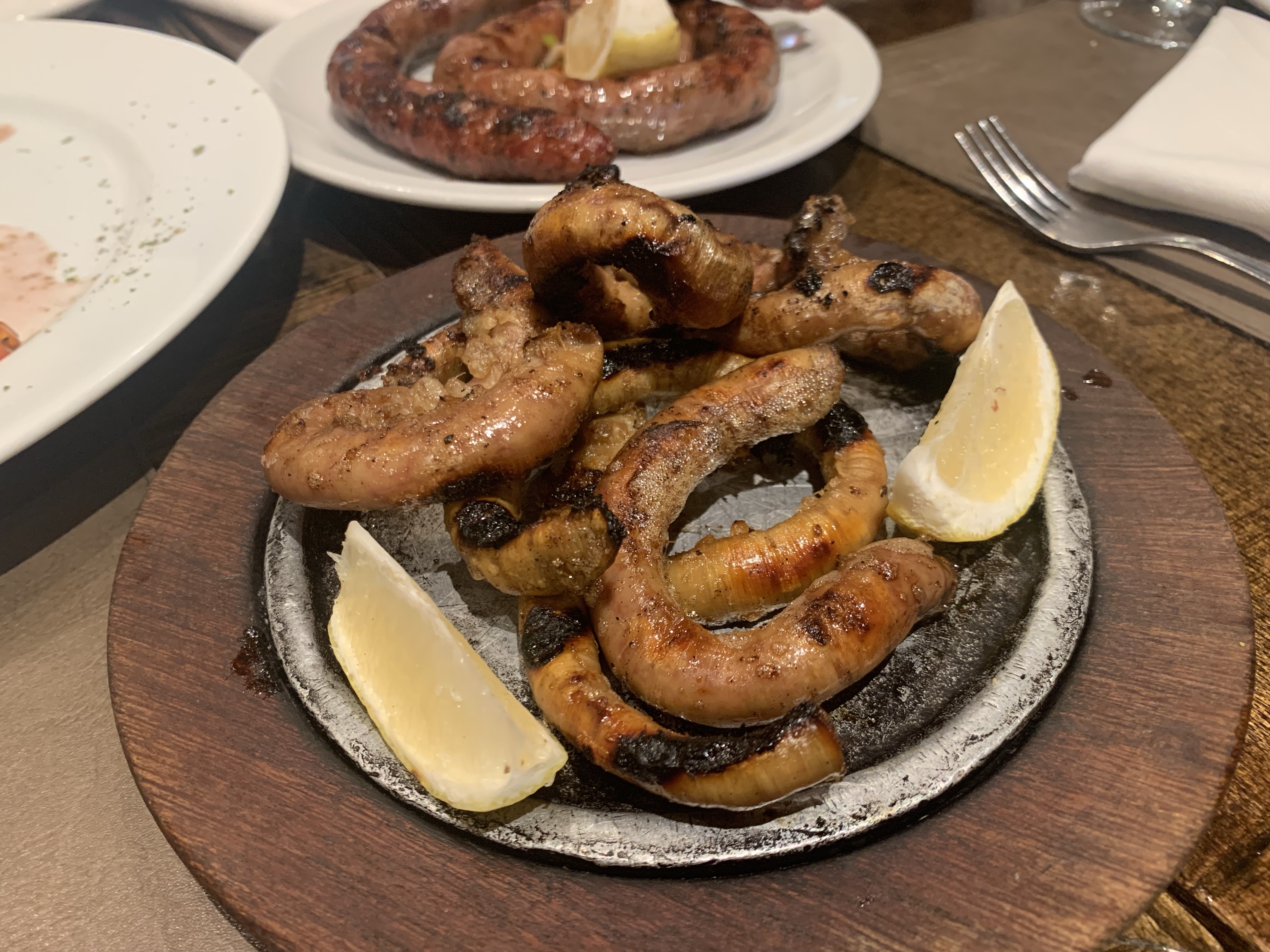
We did that on our arrival, after a quick stop in a playground (with enormous dogs!) we choose to have dinner at Casimiro Parrilla. It was a traditional grill restaurant where we ate steak and intestines (a local traditional dish, served up like sausages) with red wine whilst watching live tango entertainment.
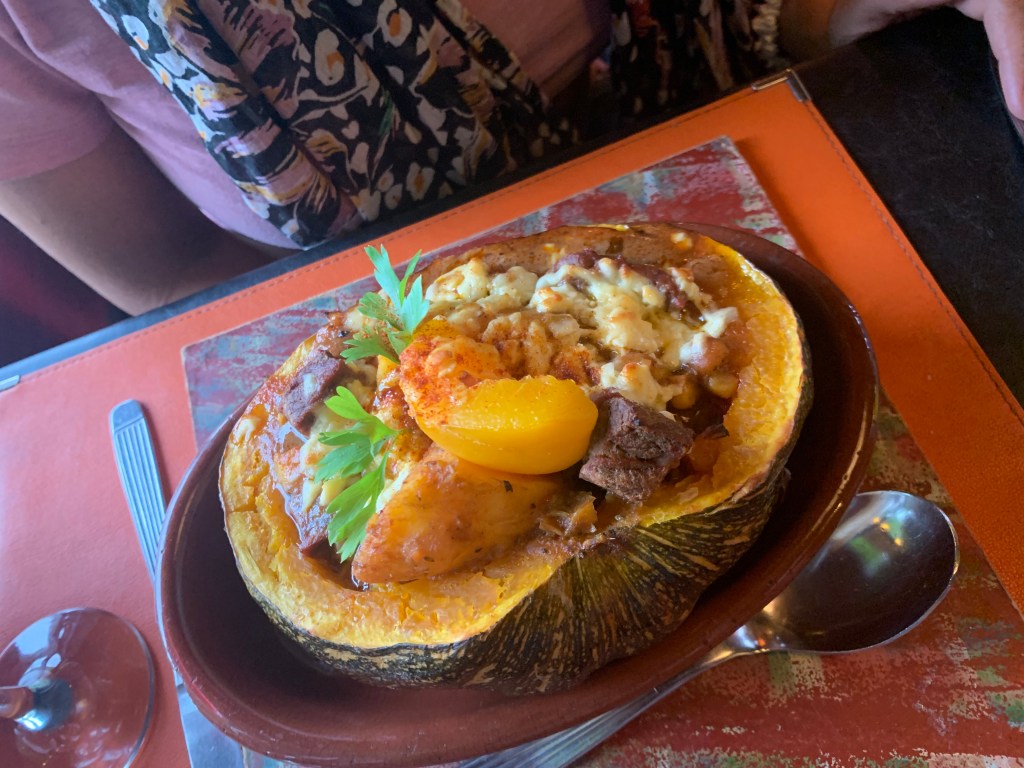
We had our best meal at Pura Vida, a walk out the other end of town, which served incredible pies and stews which felt just right for the climate.

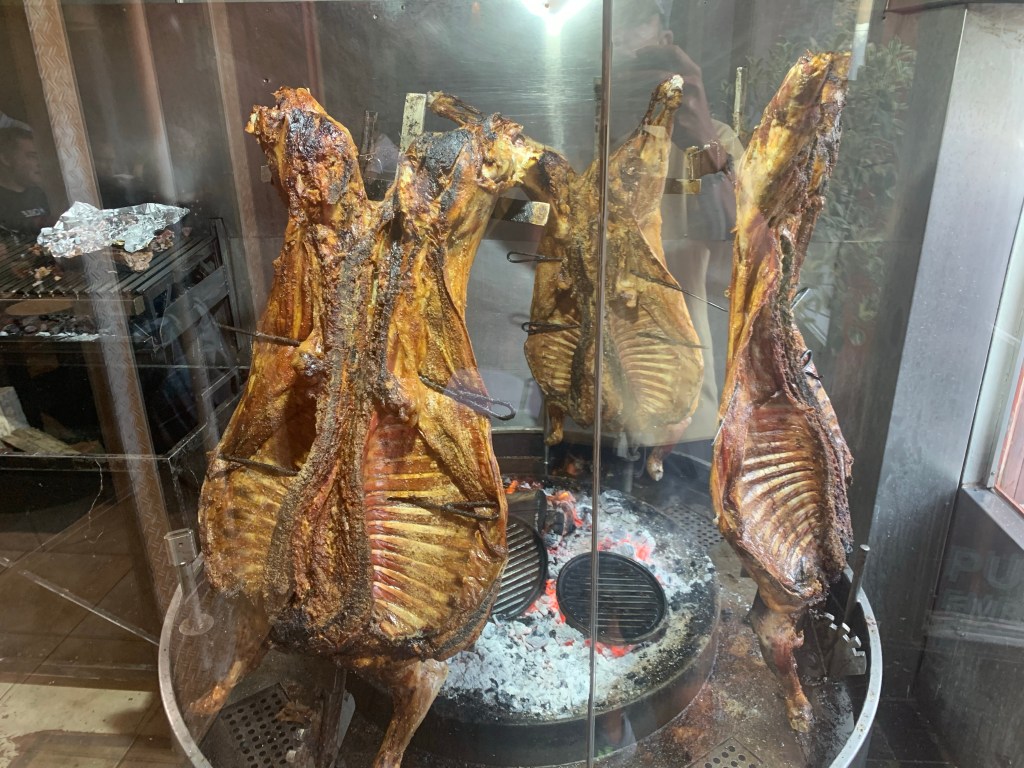
Close to our hotel there was amazingly a quirky gluten free café serving sandwiches, salads and sweet treats perfect for a snacky lunch. Other local specialities we enjoyed included trout caught in the lake, sweetbreads, lamb on a spit, Patagonia beer and hot chocolate.

One evening we strolled through the Paseo de Artesanos purchasing magnets and a new hoodie for Molly, the rest of us surviving the cold temperatures by layering up all the clothes we had. Everyone we saw on the streets were decked out in winter coats, gloves, hats and scarves – we assumed they must be doing some serious hiking because in the sunshine it was fairly warm!
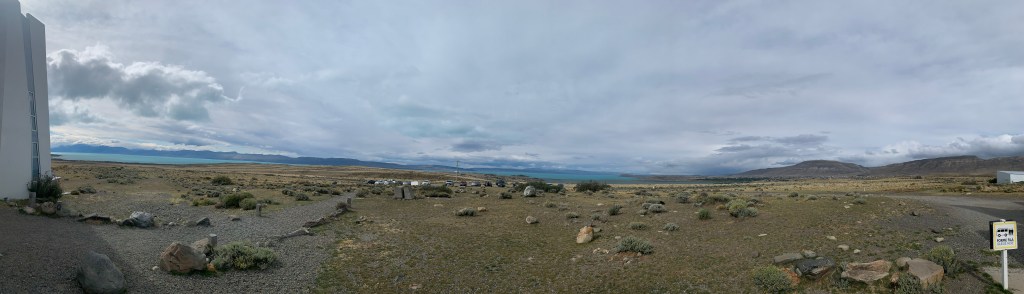
Before seeing them in the flesh, we decided to swot up on glaciers by spending an afternoon at the Glaciarium museum, bizarrely built in the middle of nowhere, a half-an-hour coach ride out of town.
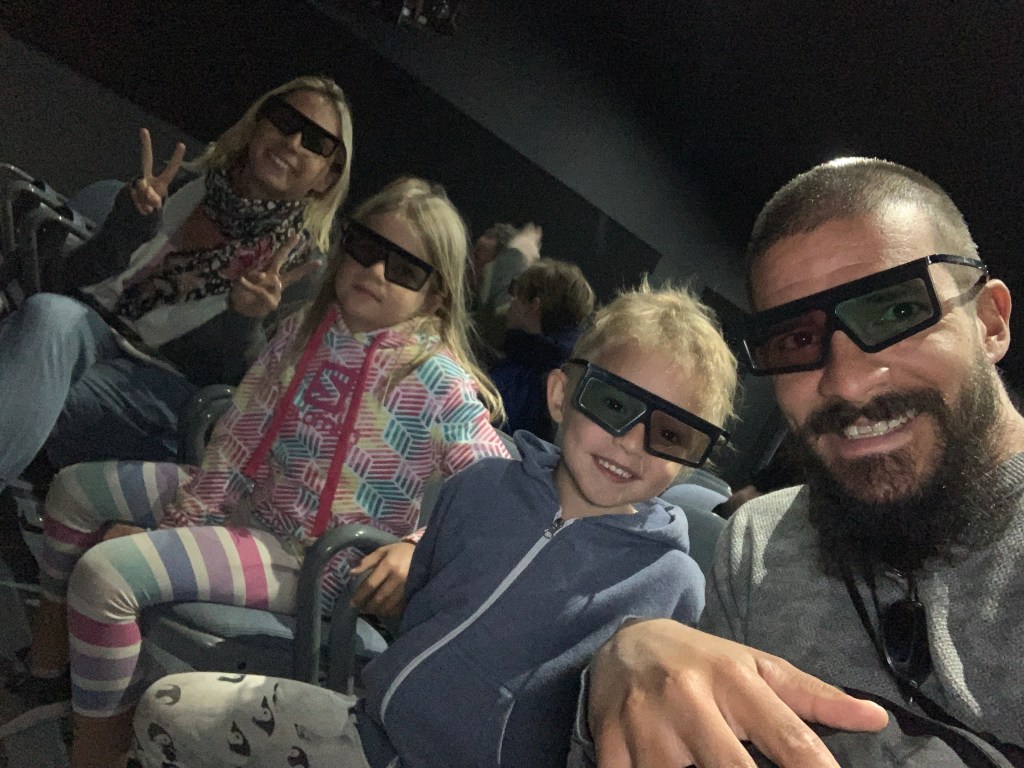
We found informative and interactive displays, with presentations where you wore 3D glasses and learnt all about snowflakes, icebergs and the explorers who first trekked across Patagonia.
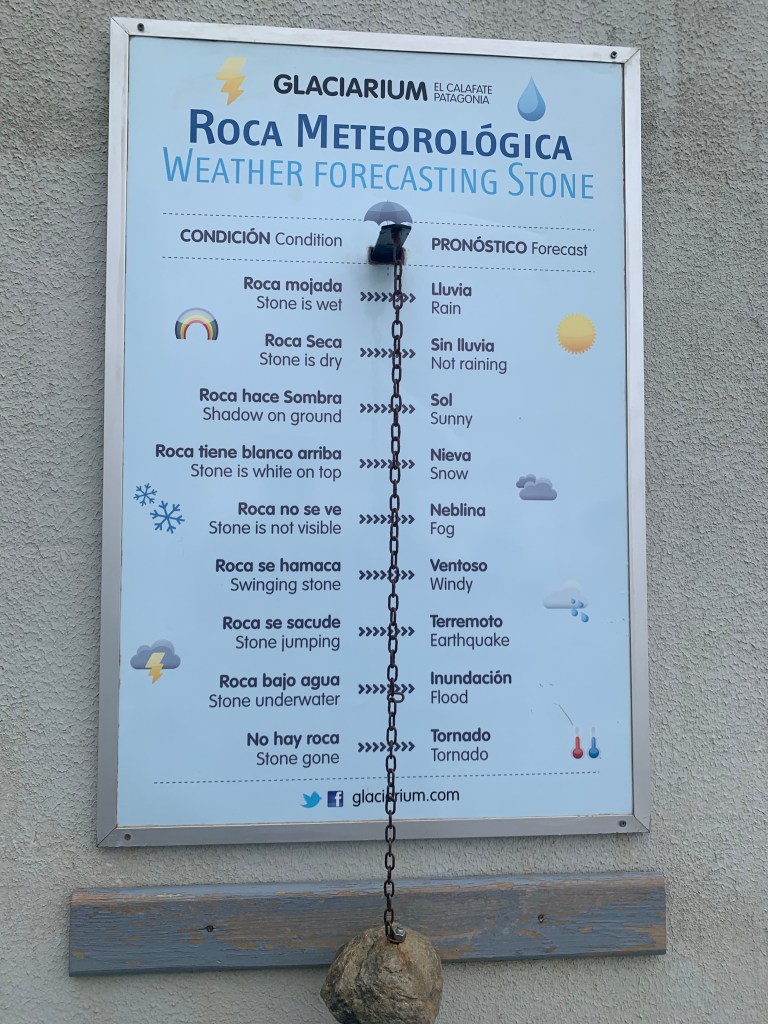
We found the local weather guide quite amusing but not very useful!
After research and popping into a few tourist agencies, we decided to go all out and book a full day gourmet tour of the Parque Nacional Los Glaciares aboard the MarPatag boat. This would take us to all the major glaciers in the area. We picked a day that was as clear as crystal but very windy.
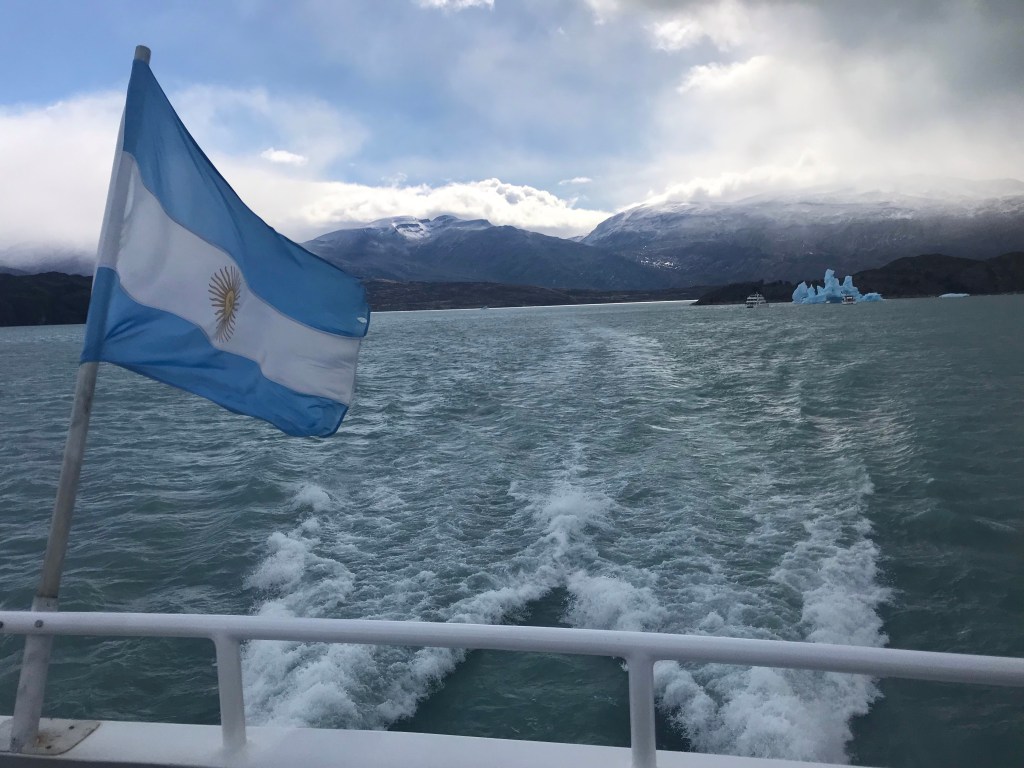
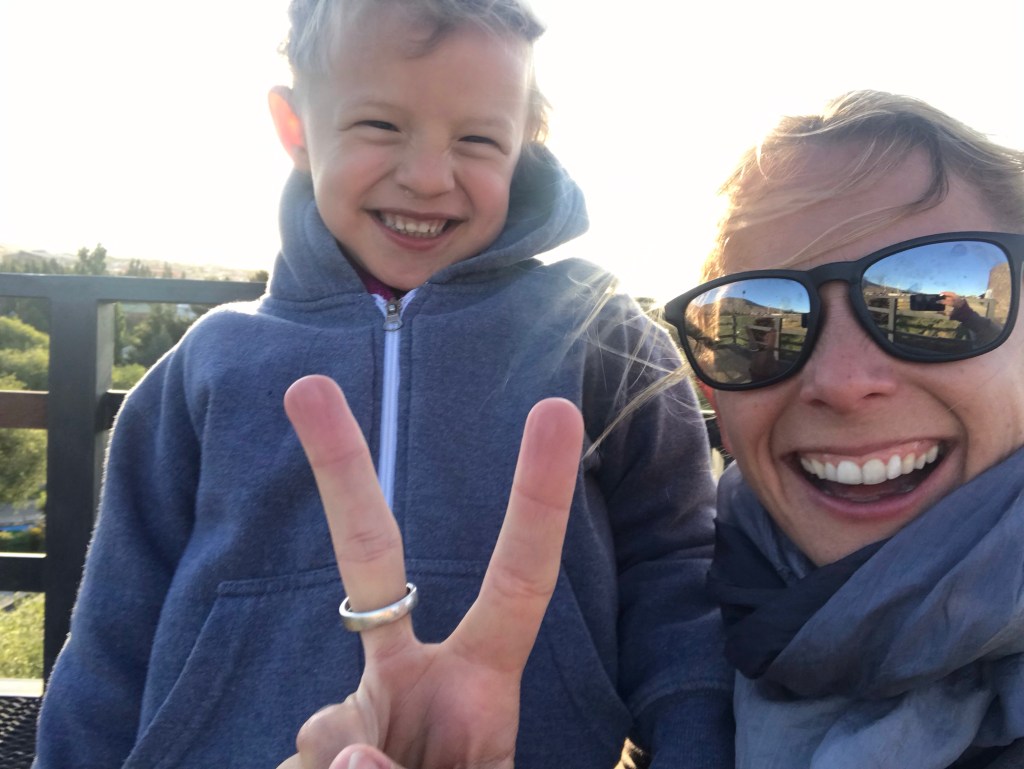
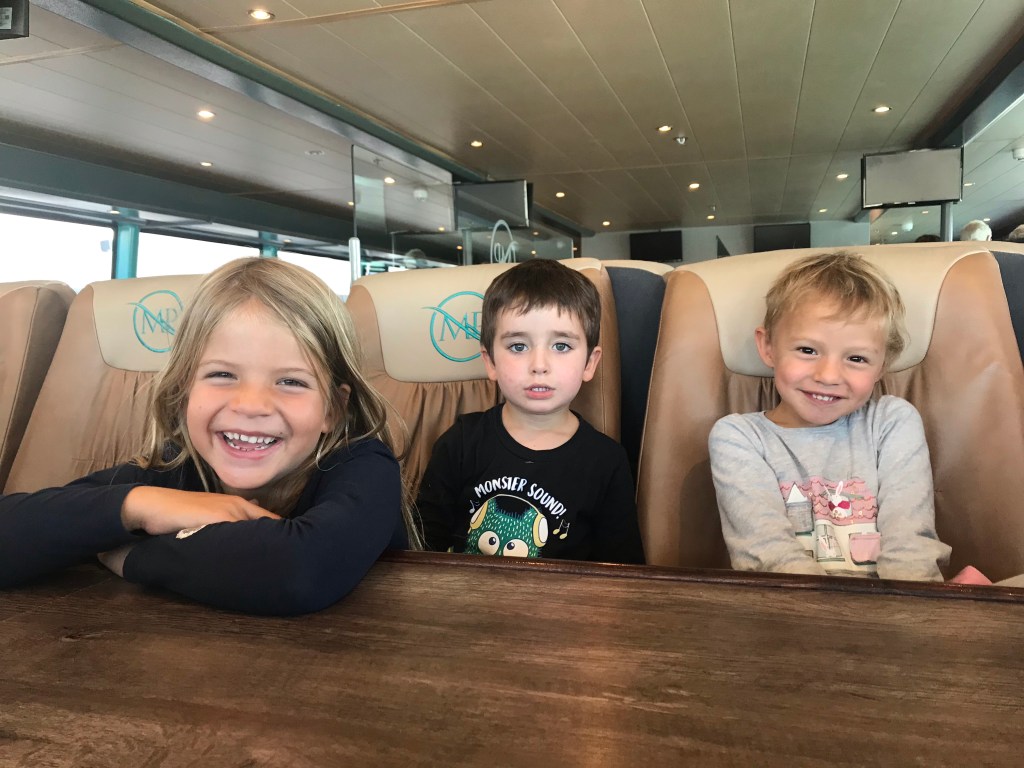
Conditions on the water thankfully remained calm for most of the day. The boat had three floors and two decks; we were allocated four spots next to a couple from Buenos Aires travelling with their four-year-old son Felix. The girls and Felix became firm friends, finding a kid’s area to play in downstairs. We discovered the next morning we were staying at the same hotel and happily gave Felix the hoodie Joanna had grown out of and some spare activity books for him to practice his English, in return he gave us some Spanish games.
The excursion began in Punta Bandera, crossing peaceful Escuadra Bay and the Muralla de Condoreras (wall of colours) where we spotted our first icebergs above the water (basically free-floating blocks of ice).
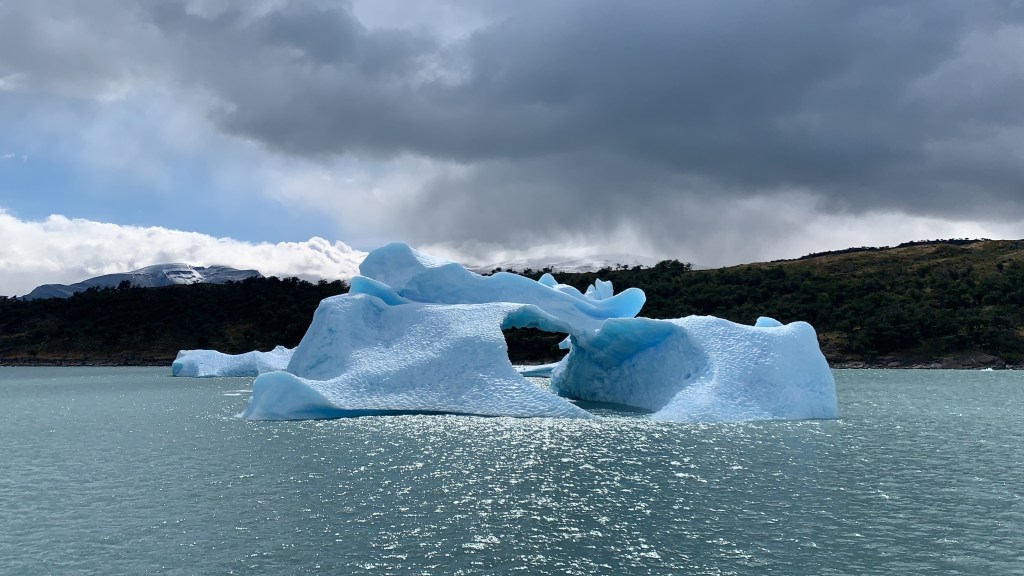
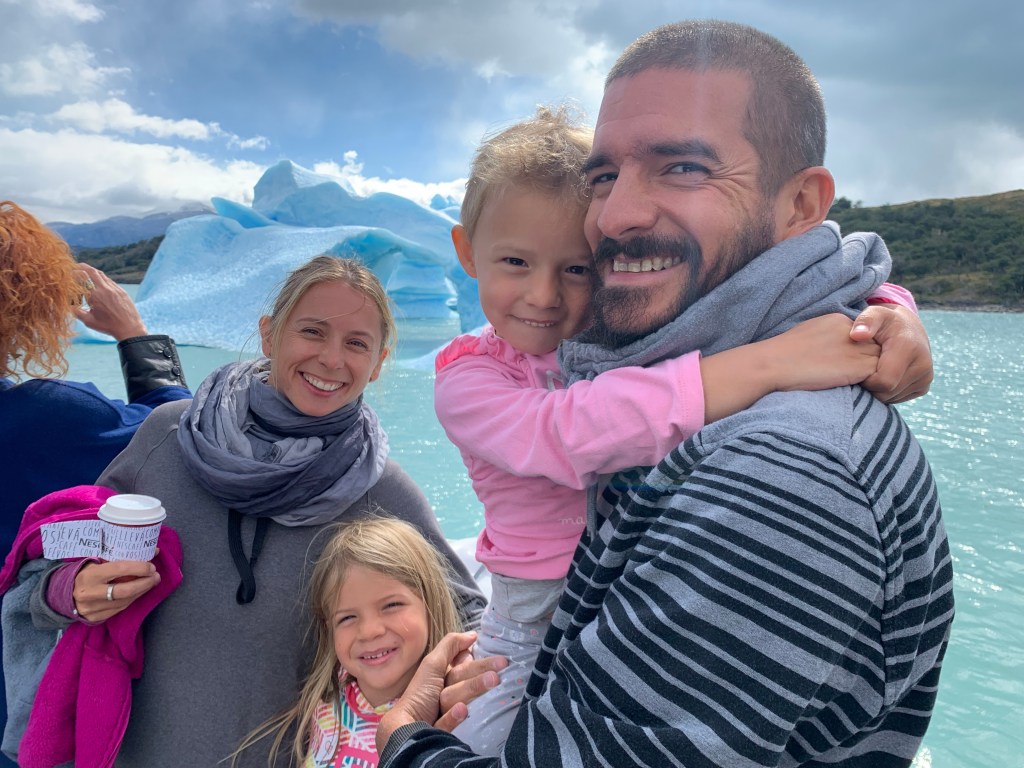
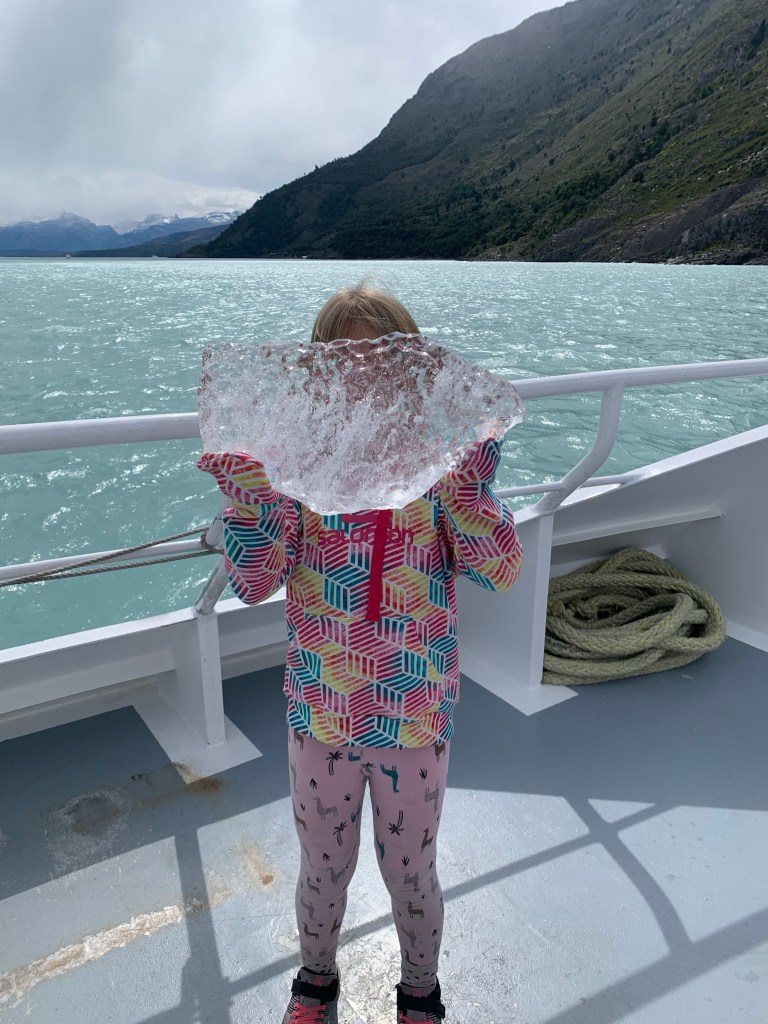
The crew pulled up some smaller bergs which were then broken up for afternoon drinks and we could have a go at holding as a photo opportunity.
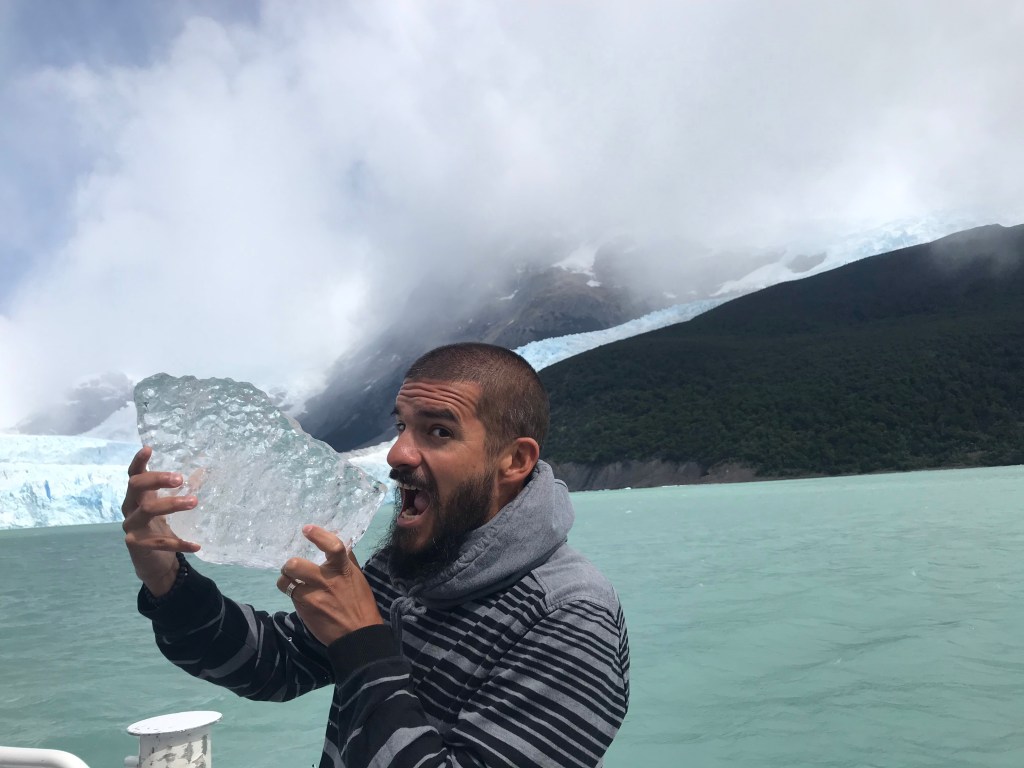
The first two glaciers we saw, Seco and Heim are the type known as ‘hanging’ – so they appeared as if the flow of water had been frozen before running into Lago Argentina.
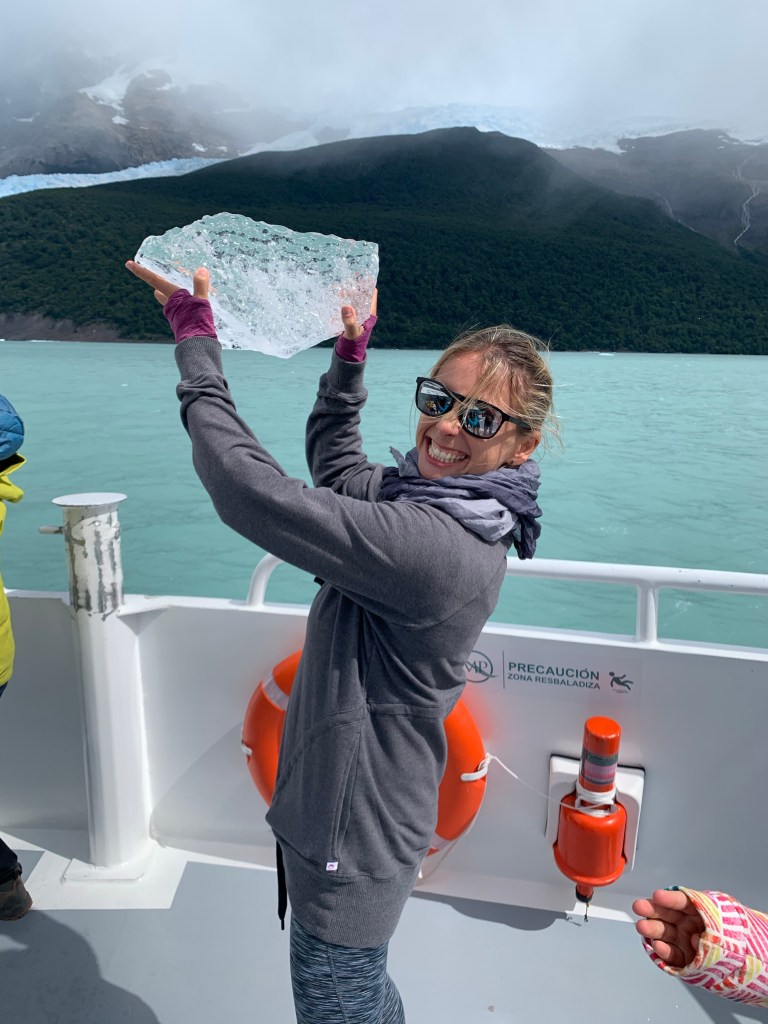
We then travelled south to the Canal Spegazzini to view the Spegazzini glacier, which rises over 100 meters above the level of the lake and is quite spectacular, like a minty-blue cathedral.
We left the boat only once, to walk around Puesto Las Vacas (place of the cows) with our guide Marino, who helped us identify various flora and fauna and peek in the broken windows of an old settler’s cattle station.
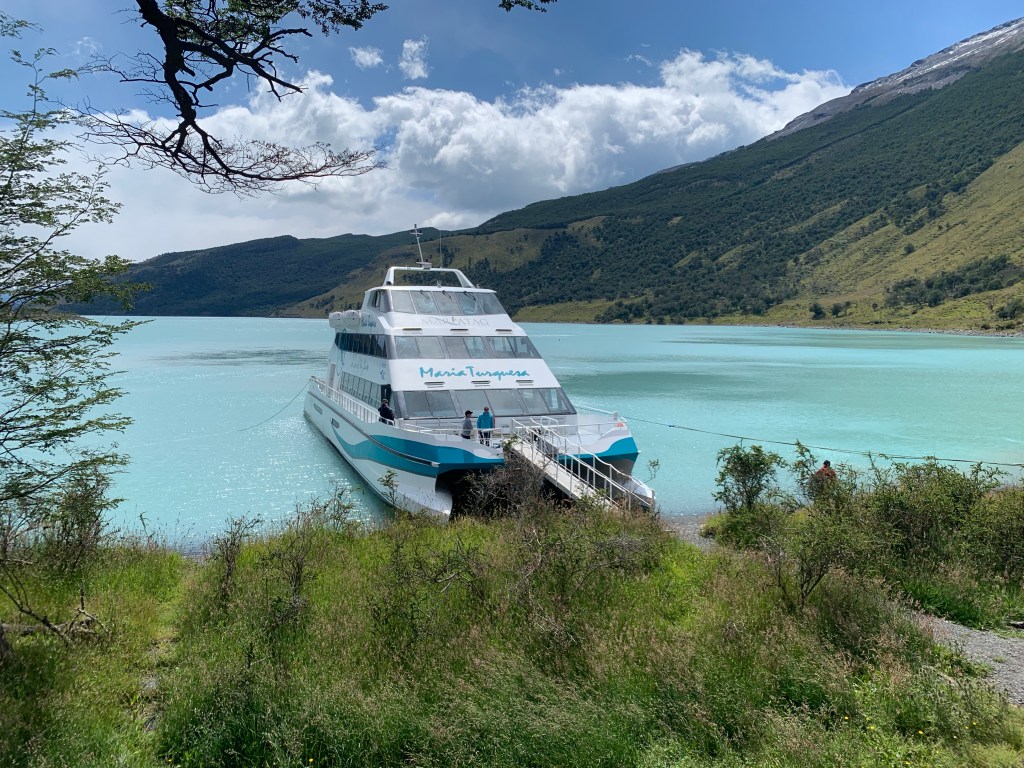
Next it was time to stop by the entrance to the Upsala canal to admire the Upscala and Bertracchi glaciers from a safe distance due to previous tsumani waves caused by falling ice, before enjoying our lunch on board.
The grand finale of the excursion was travelling along Canal de los Tempanos to the north face of Pietro Moreno glacier, a truly marvellous sight.
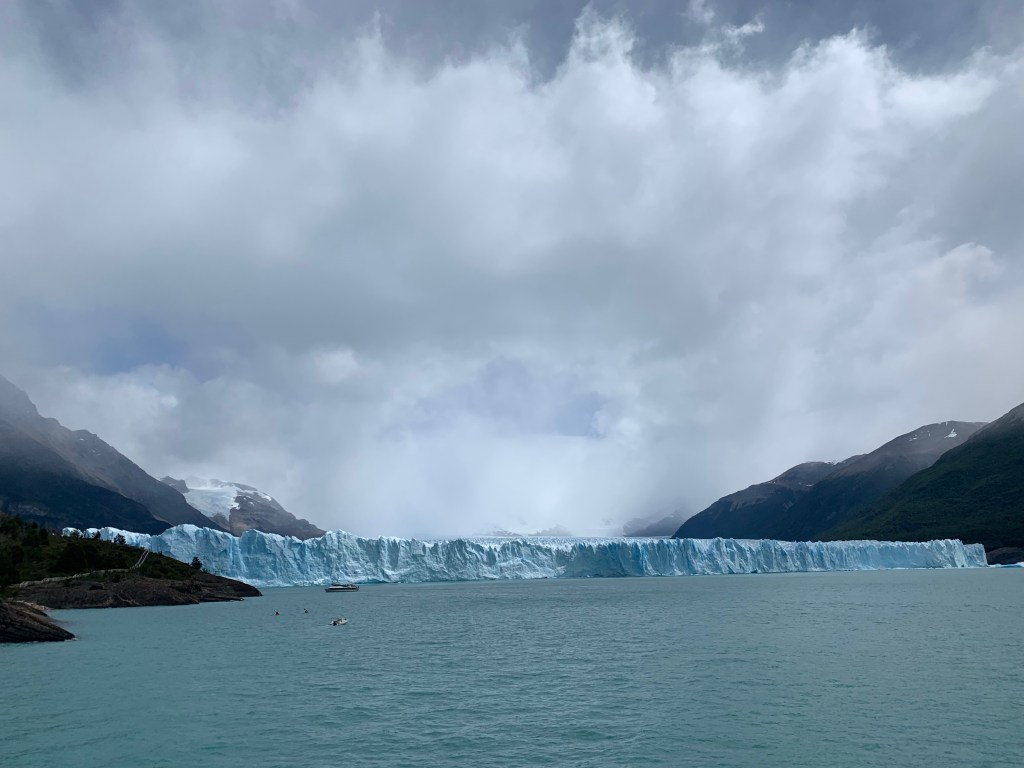
Incredibly, apparently it is one of the few glaciers in the world that rather than retreating in the face of global warming, manages to maintain a state of equilibrium by continuing to accrue mass at a similar rate to what it loses. This seemed hard to believe as we watched mesmerised as giant sections of ice from the glacier came crashing down into the water below every few minutes.
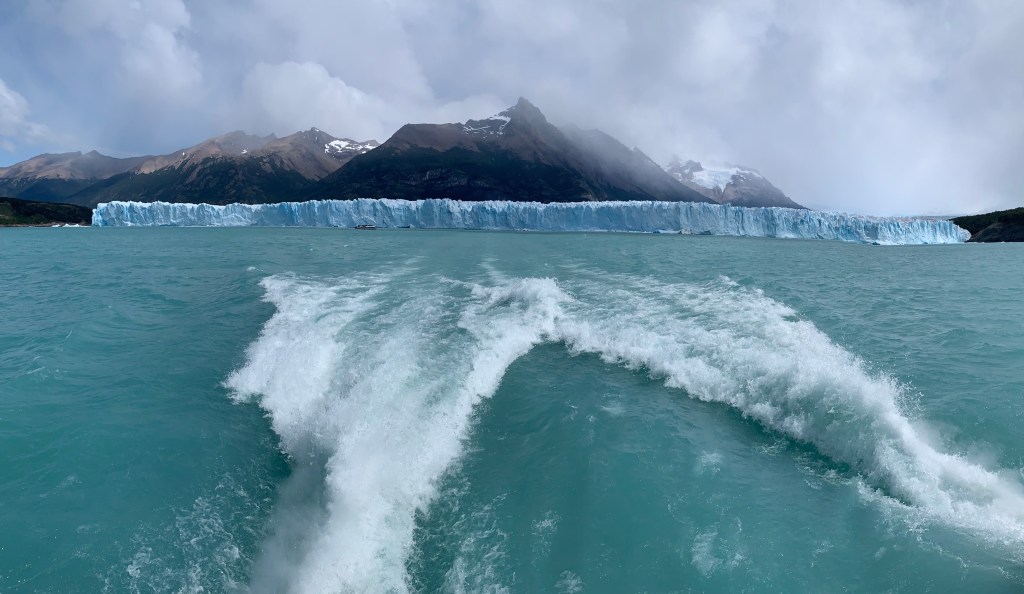
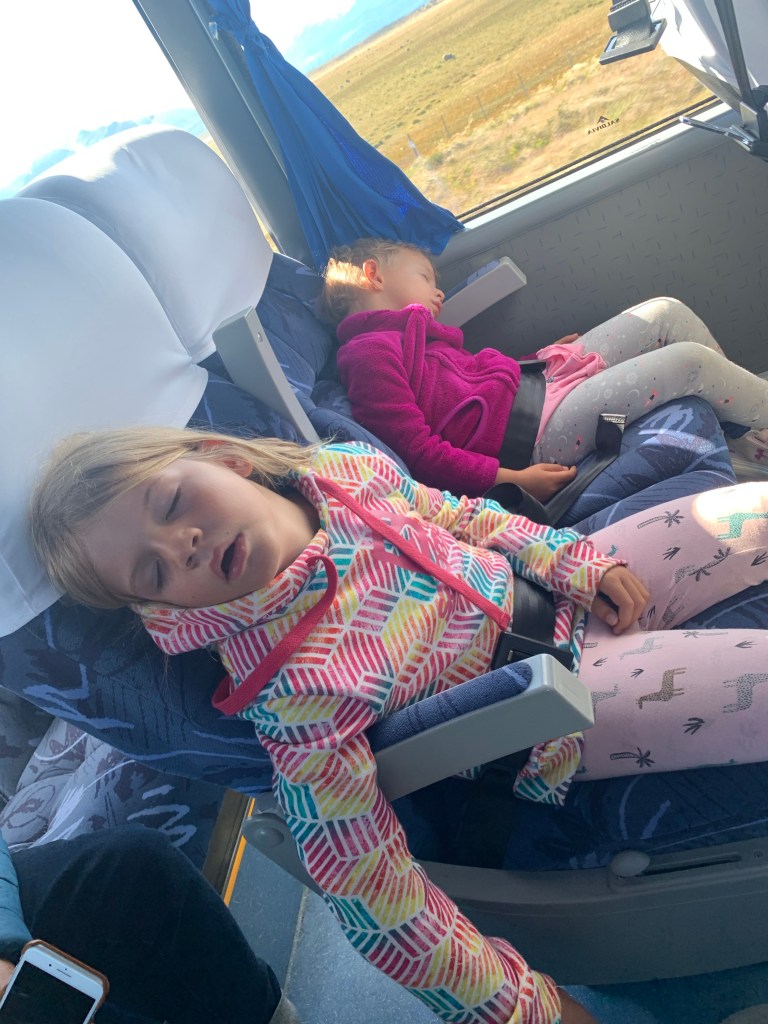
We had the option of disembarking here and making our own way back to El Calafate, there were many trekking routes from here but we decided it would be best to be taken back to La Soledad port (have a snooze on the bus) and get dropped off in town for a final dinner and stroll, enjoying the late light in the evenings.
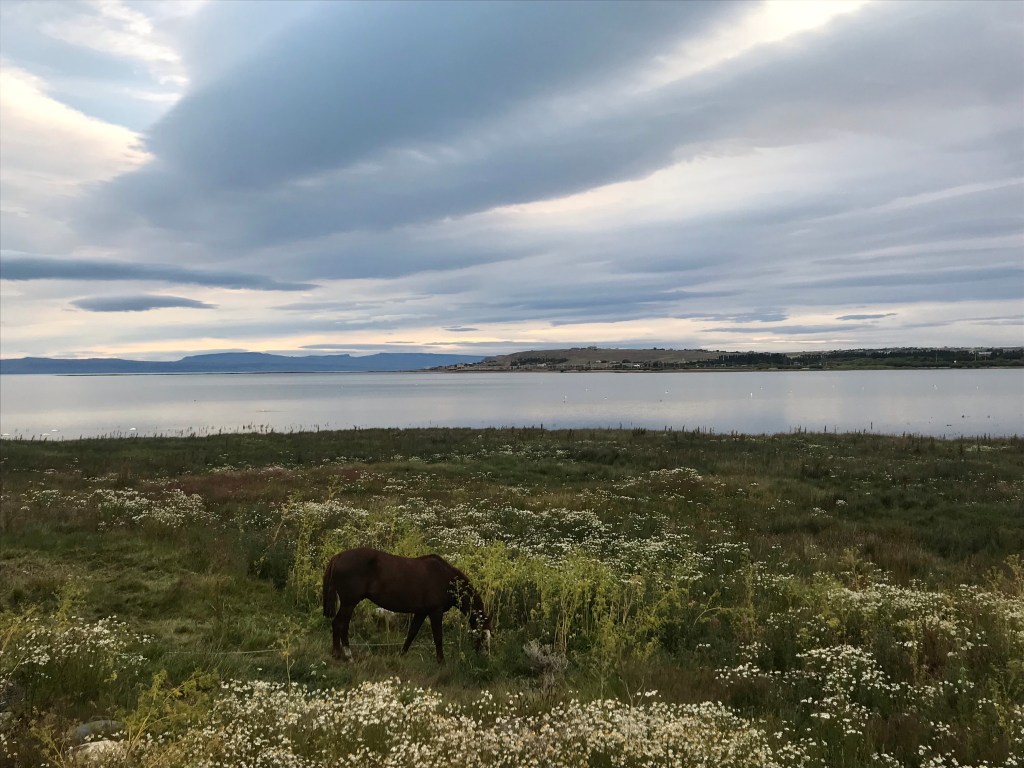
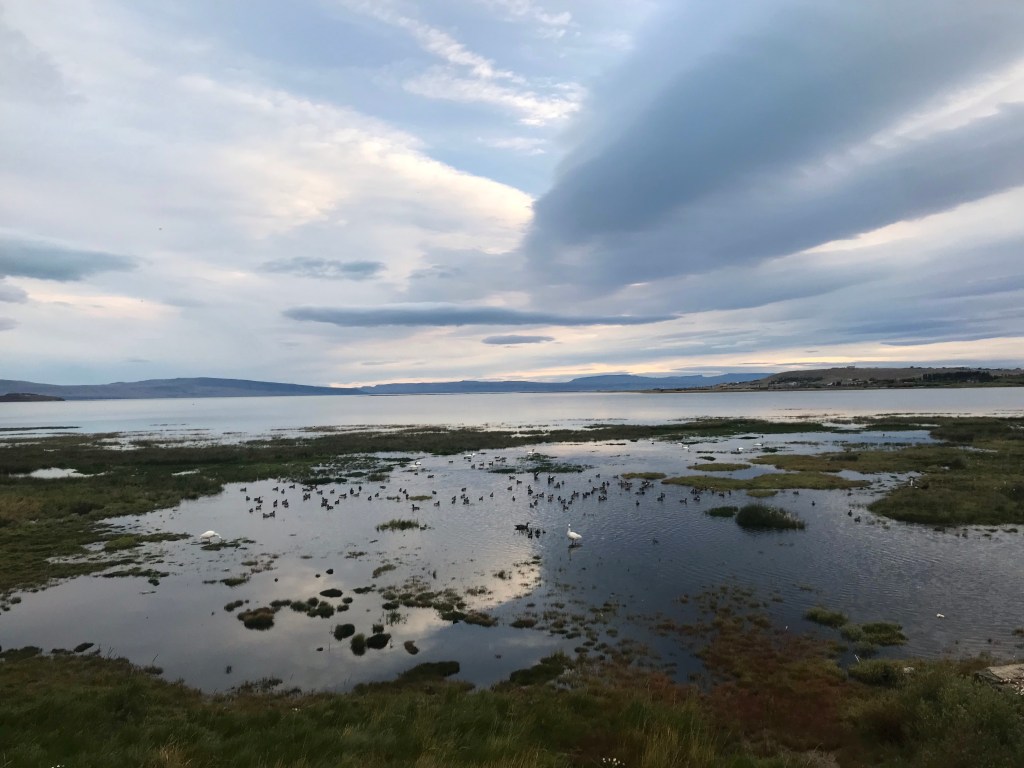
The sun rose early too, we made the most of it by taking runs along the lake, my fear of dogs somewhat calmed by being befriended by a sheepdog who ran with me for quite a few kilometres! There were beautiful horses grazing by the lake as well, but more on Argentinian horses in our next chapter.
We are so thankful we spent time in Patagonia, a truly unique part of the world.
 Life with MoJo