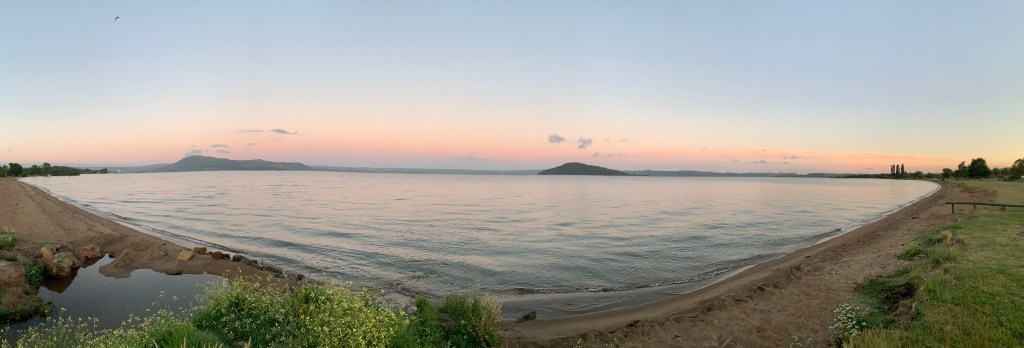
The centre of the north island of New Zealand is bubbling with activity. On Boxing Day, we headed to Lake Taupo, the country’s largest lake, about the size of Singapore. On arrival we were surprised to see people swimming – it felt too cold but then we realised the lake sits in a volcano that began erupting 300,000 years ago and its waters are a warm 20-degrees Celsius, even warmer in thermal hot spots. It was in AD 180 the area witnessed the largest and most violent eruption in recorded history – ash covering the whole of New Zealand and unusual skies reported in Roman and Chinese historical texts.
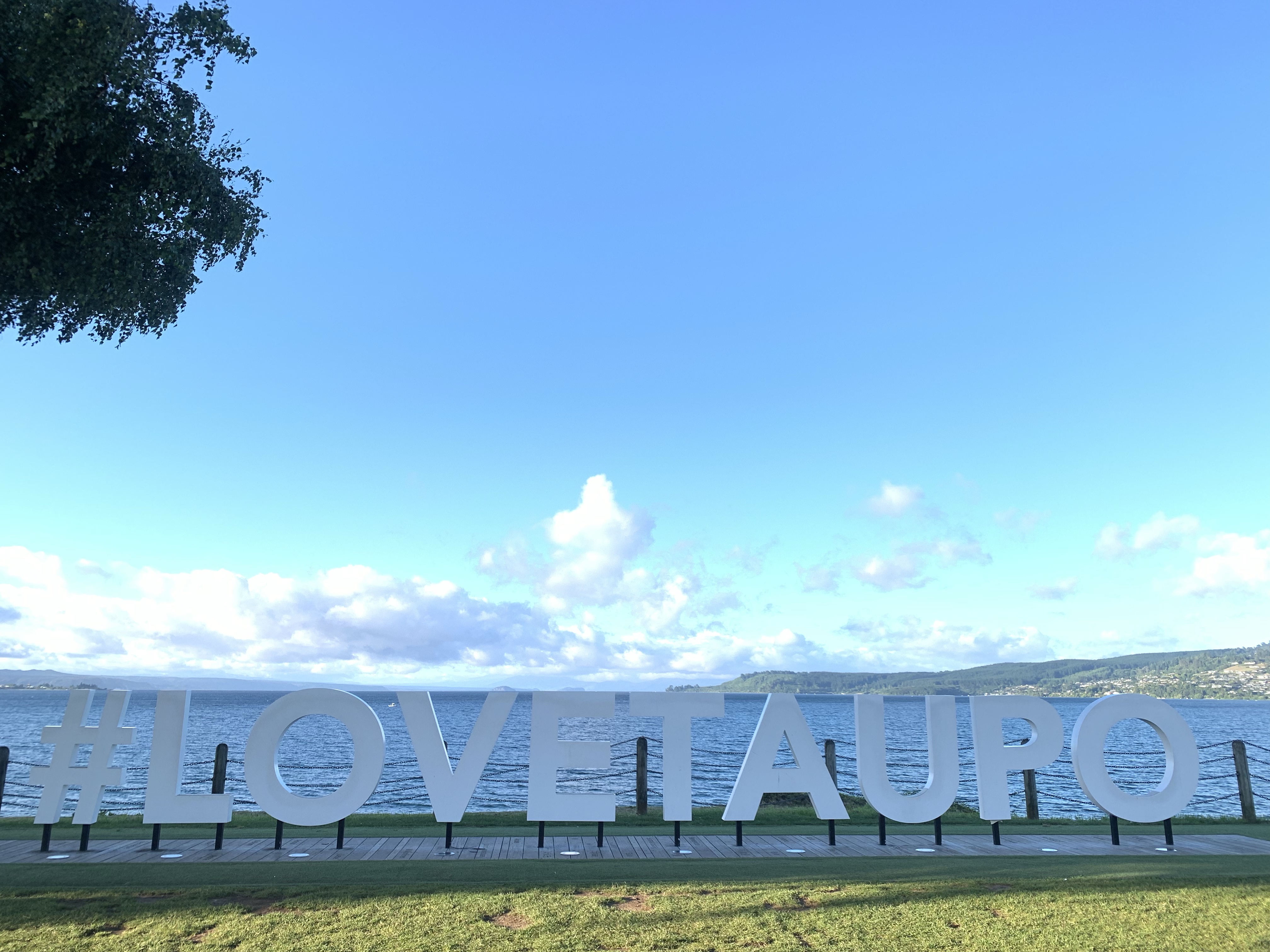
The town of Taupo is lovely, extending from the lakefront towards the Waikato River (New Zealand’s longest). We enjoyed walking around the Saturday Farmer’s Market and watching people attempting to make a ‘hole in one’ – by hitting a golf ball onto a pontoon far out on the lake (divers daily went out to find balls from failed attempts) with big winnings for those who succeeded.
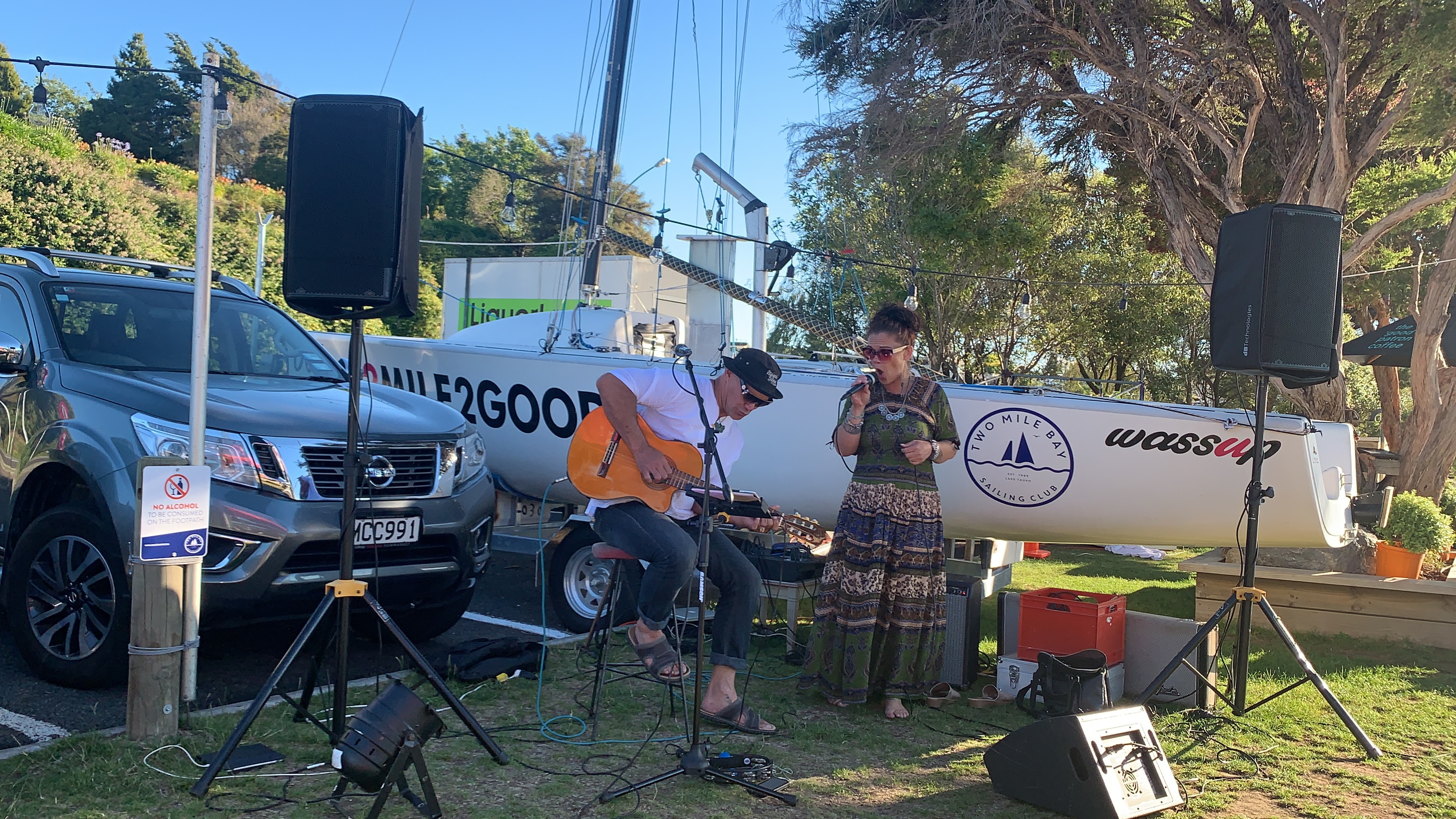
On our first night we found an excellent Indian for a curry (Indian Affair) and the second a fabulous spot on the water which we had both run past that morning, the Two Mile Bay Sailing Club. The party atmosphere and live music made up for the long wait for wood-fire pizzas!

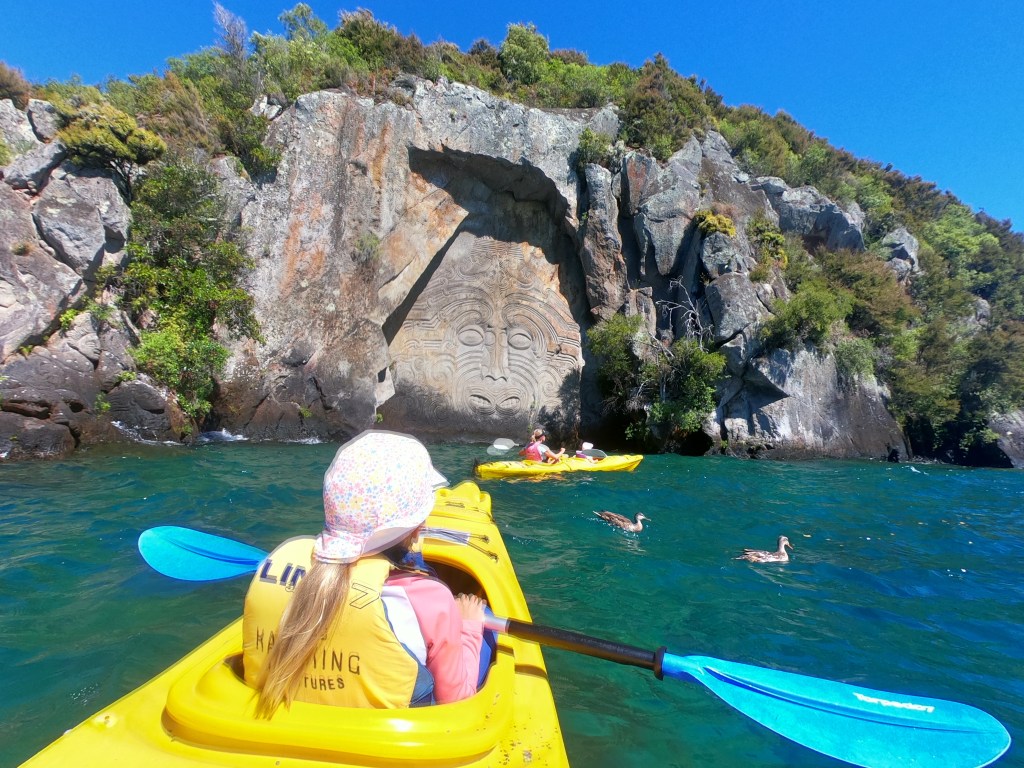
The best way to explore the lake is by kayak, we decided to drive to Acacia Bay to hire two double kayaks and make our way to the famous Māori rock carvings at Mine Bay. It was a stunning day.
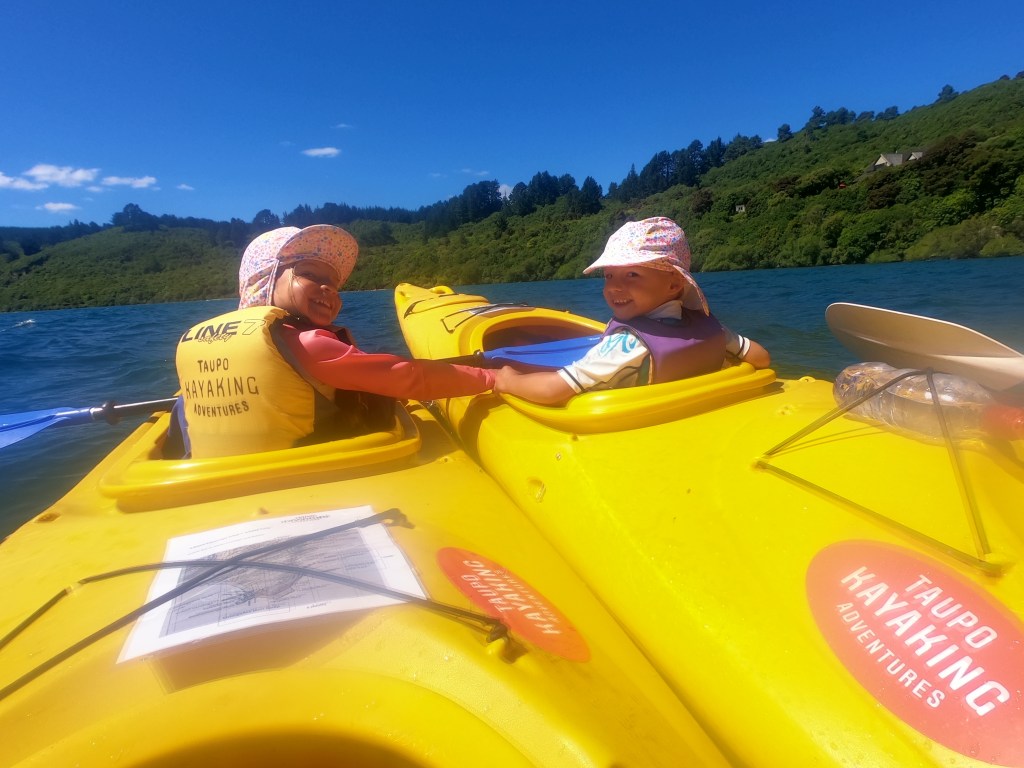
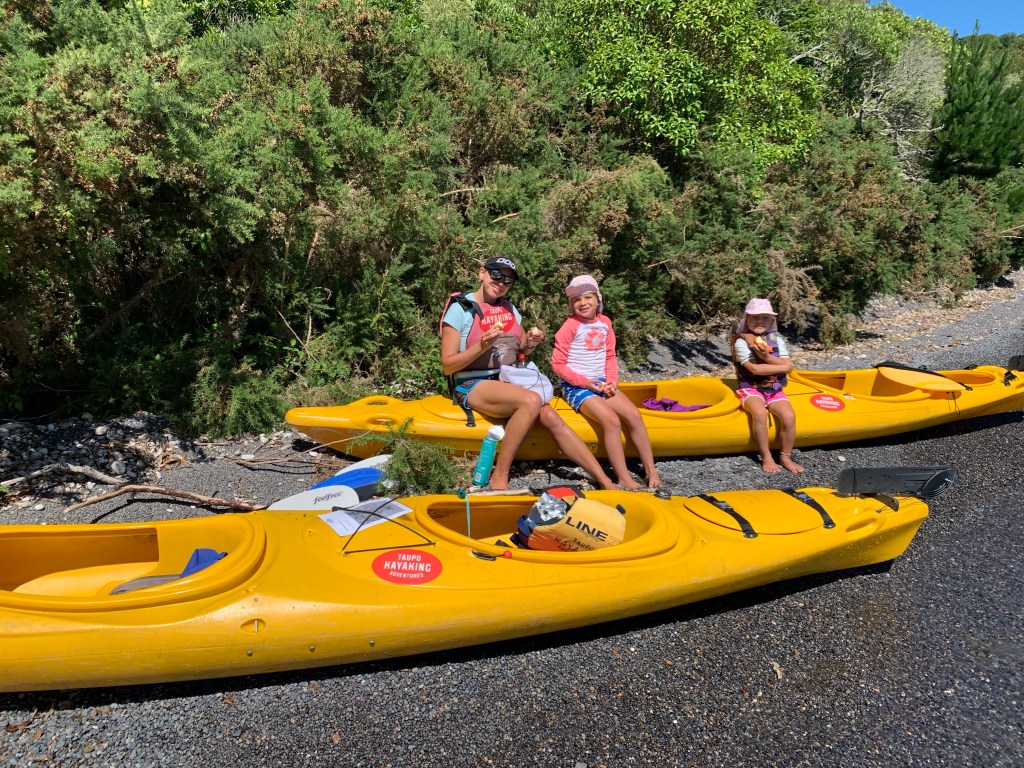

It was a rewarding four hours, the 10m-high carvings etched in the 1970s onto the rock face are impressive depictions of Ngātori-i-rangi, the visionary Māori navigator.
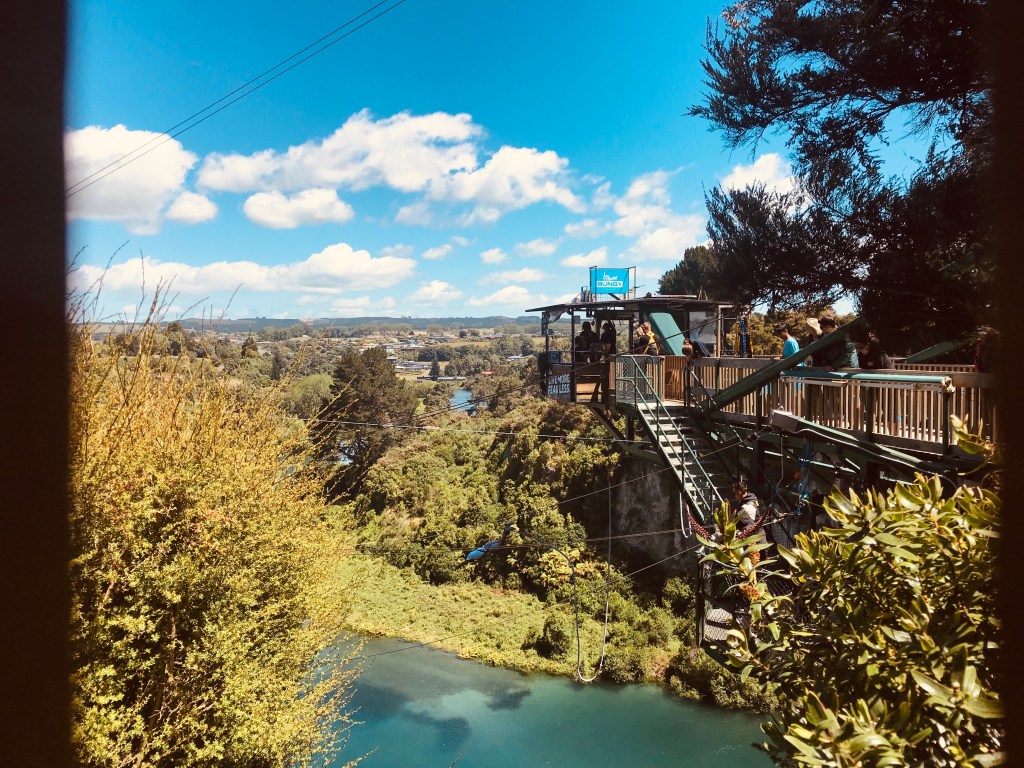
Taupo is an adrenaline junkies dream – so it was the ideal place for Tom to do a bungee jump. AJ Hackett’s offers a thrilling 47m plunge over the Waikato River, Tom opting for the half-body emersion getting a lot wetter than he anticipated and loving the experience.
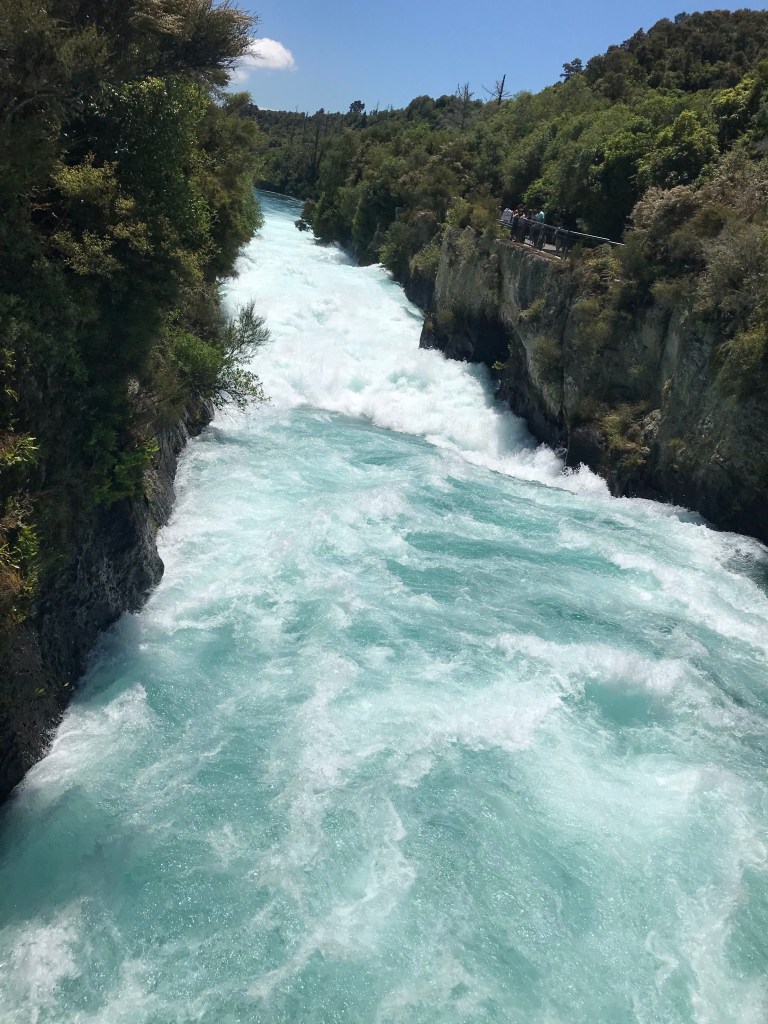
We had a lunch stop at the surging Huka Falls, where every second 220,000 litres of water plunge 11m over the falls. An Olympic swimming pool is filled every 12 seconds. It really is an incredible volume of water, its hydro-electric station providing 10% of New Zealand’s power.
The very clear water of the falls absorbs all the colours of the rainbow, except the striking blue colour. Pumice grains suspended in the water also scatter the light towards the green-blue end of the rainbow. Air bubbles in the rushing water make it look whiter.
We first experienced the sulphur fuelled wiff of Rotorua during a lunch stop at Wai-O-Tapu Thermal Wonderland, home to the Champagne Pool, Devil’s Bath and Lady Knox Geyser.
We decided to explore more at Te Puia, site of several geothermal wonders such as Põhutu (Big Splash), the biggest geyser in the Southern Hemisphere which erupts once or twice an hour with hot water spurting up to thirty metres into the air.
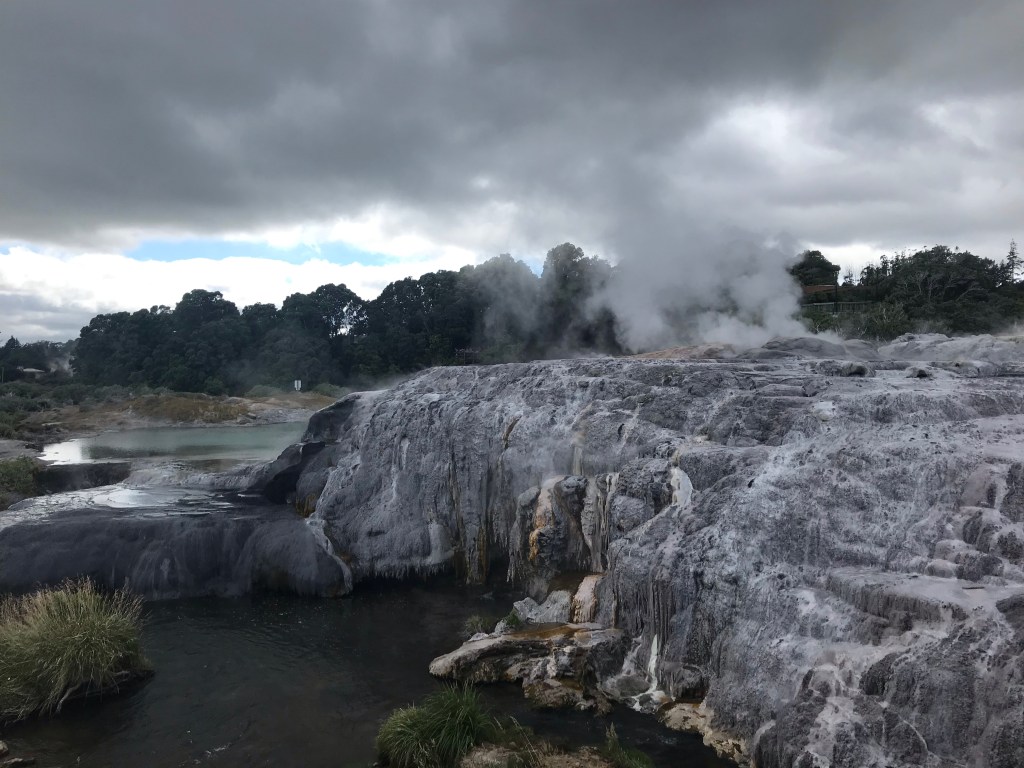
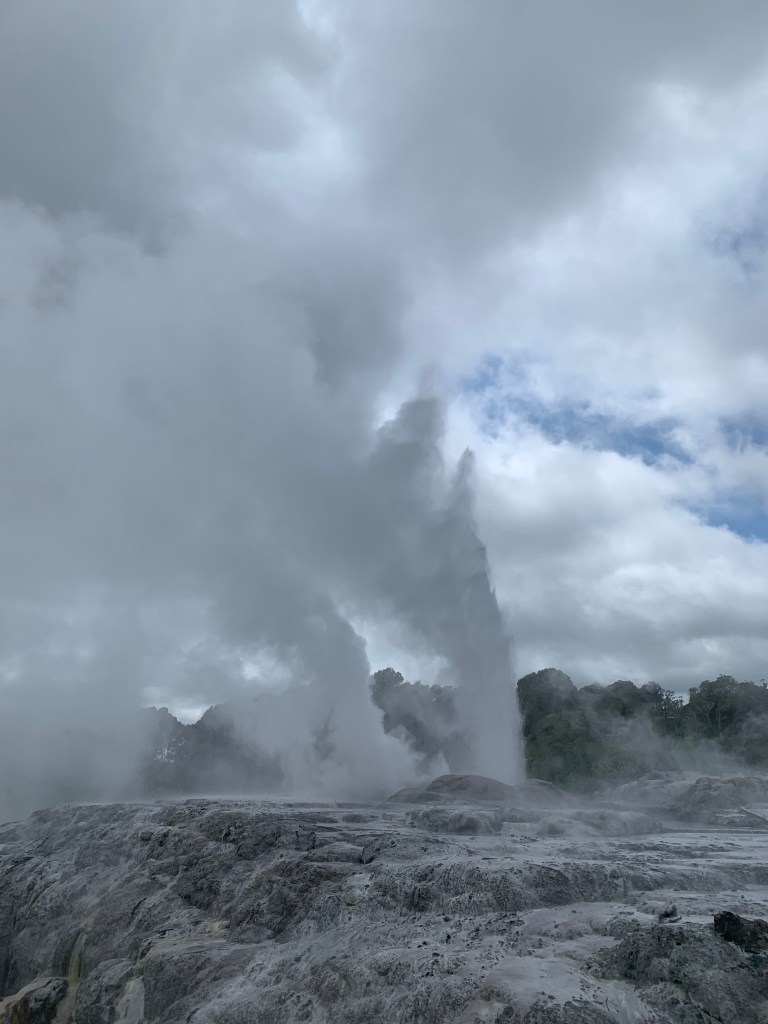
Close by is another geyser called the Prince of Wales’ Feathers, several pools of boiling, bubbling mud named after Koko, a famous chief of the original fortified settlement. Pools of boiling water are still used for cooking. These wonders are all part of the Te Whakaremarewa thermal zone.
The entrance to Te Puia was marked by 12 carvings based on a spiritual guardian of Rotorua’s Te Arawa tribe, Heketanga-a-Rangi.
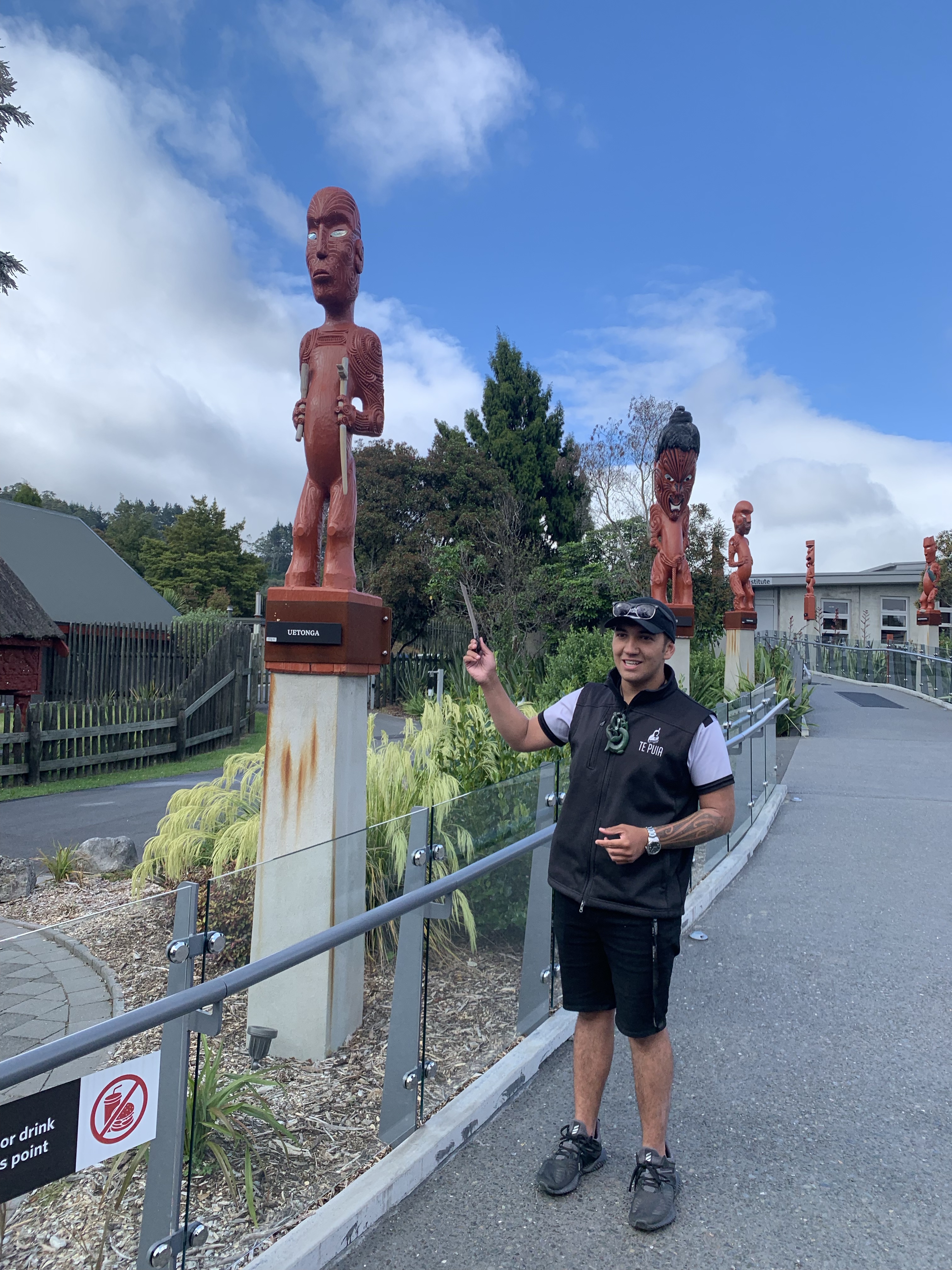
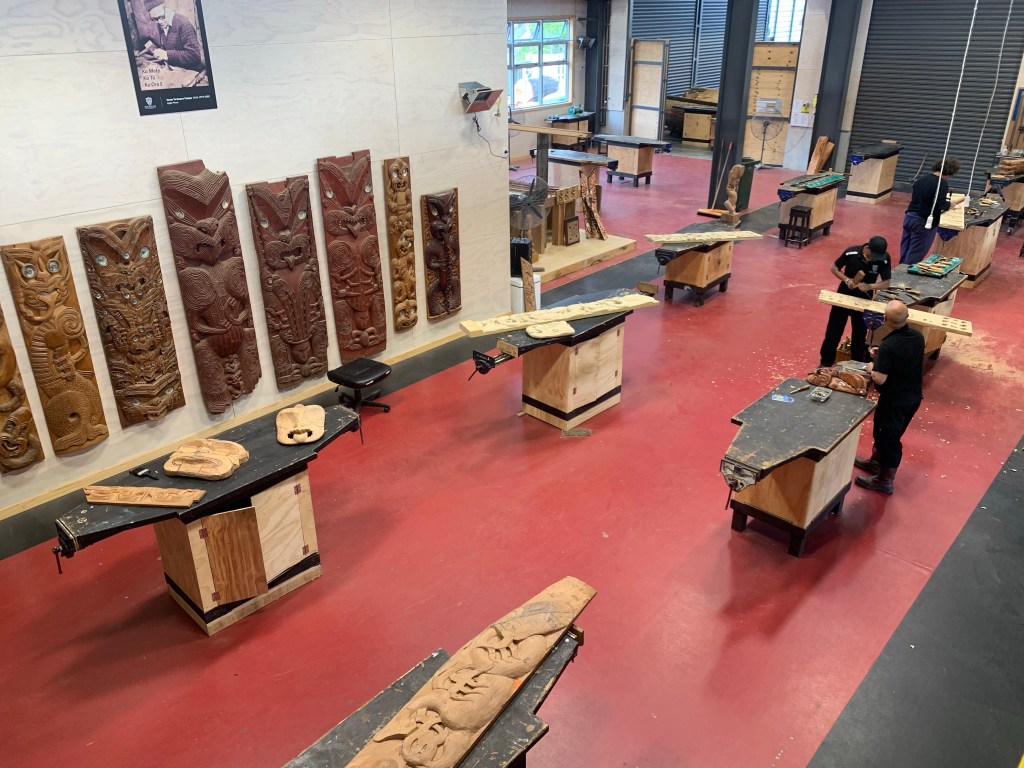
We had an excellent guided tour of the whole complex by Liam including the National Arts and Crafts Institute established in the 1920s where we witnessed students carving whale bone, jade and wood.
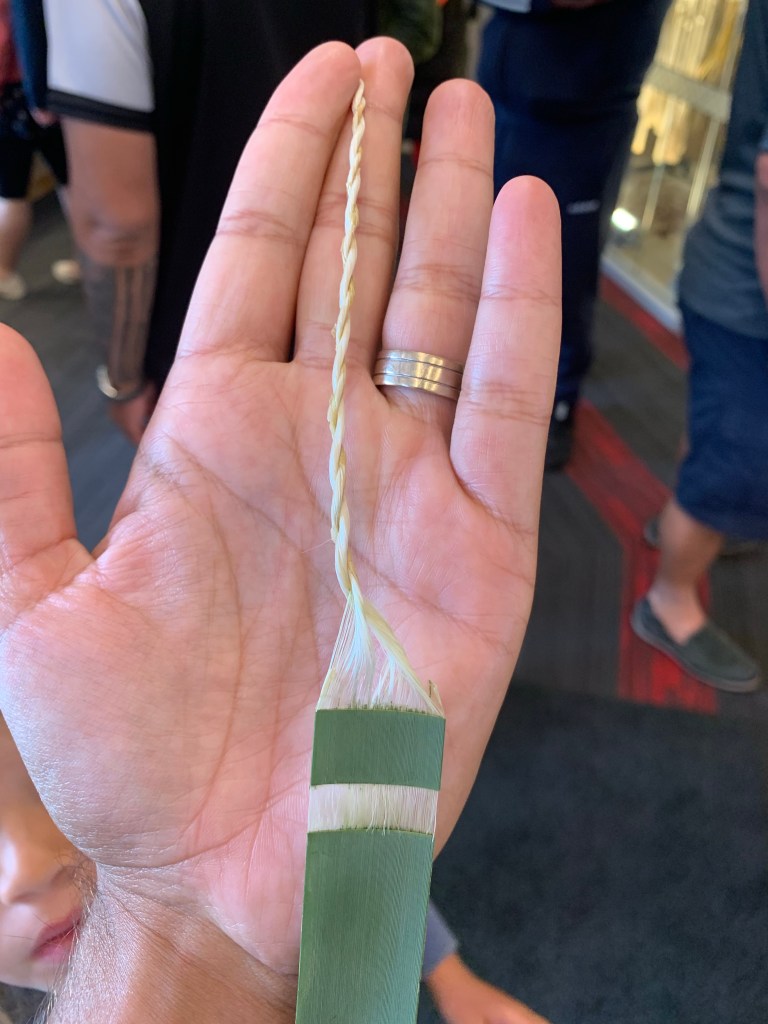
We also watched ladies weave textiles and make natural rope from a palm frond.
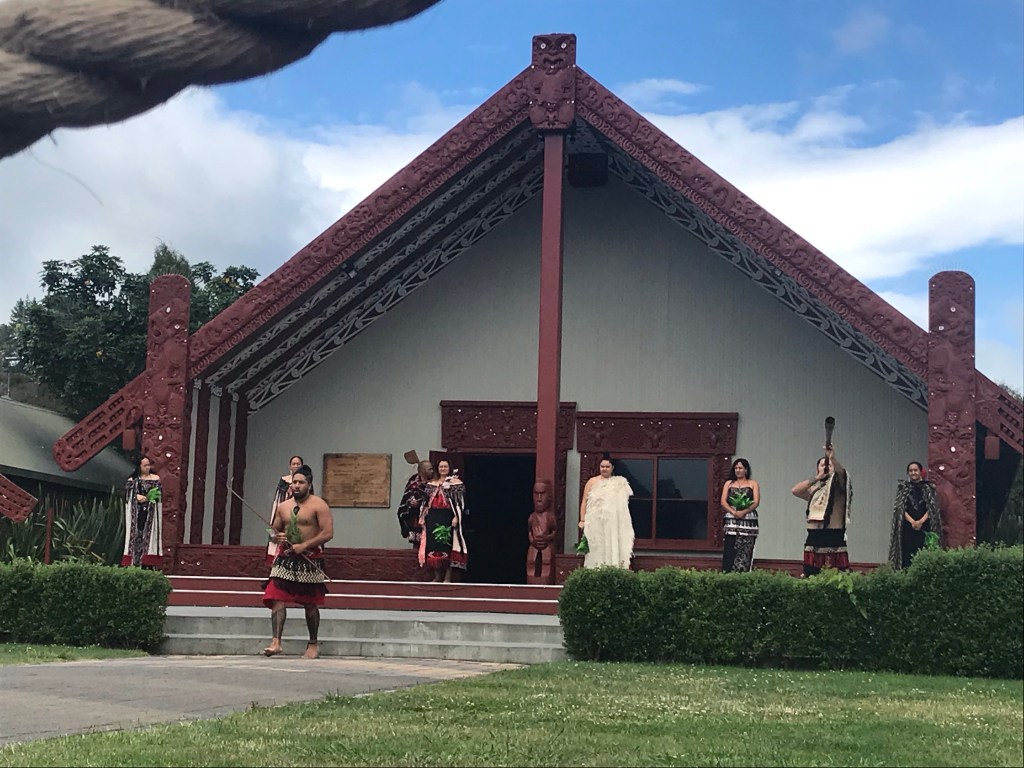
We had also signed up to attend a cultural performance at the traditional wharenui (meeting house).
The girls were invited up to the stage as part of the kapa haka concert, dancing with pia balls.
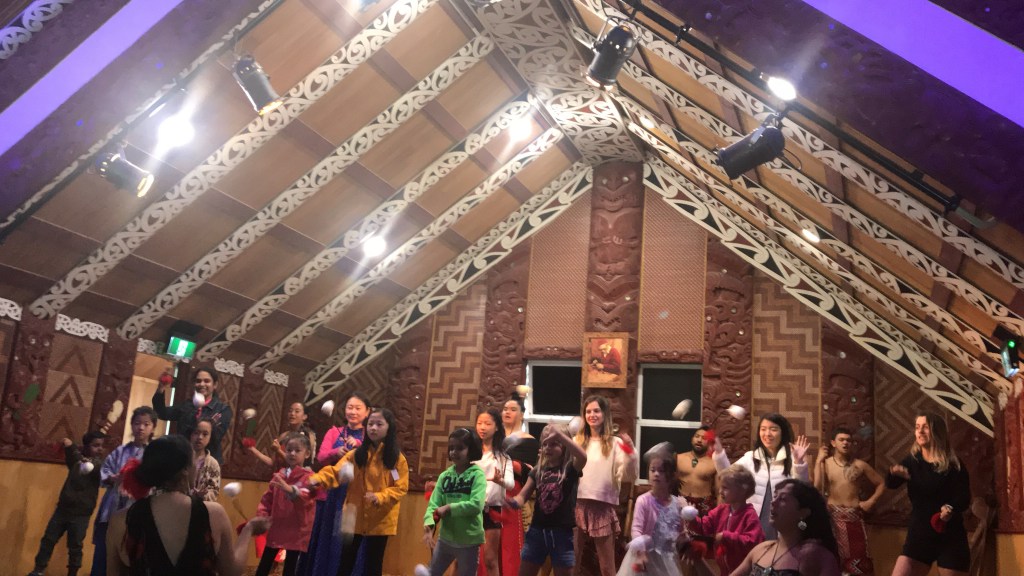
Tom was a little embarrassed to be invited to the stage to join in the grand finale: the haka dance.
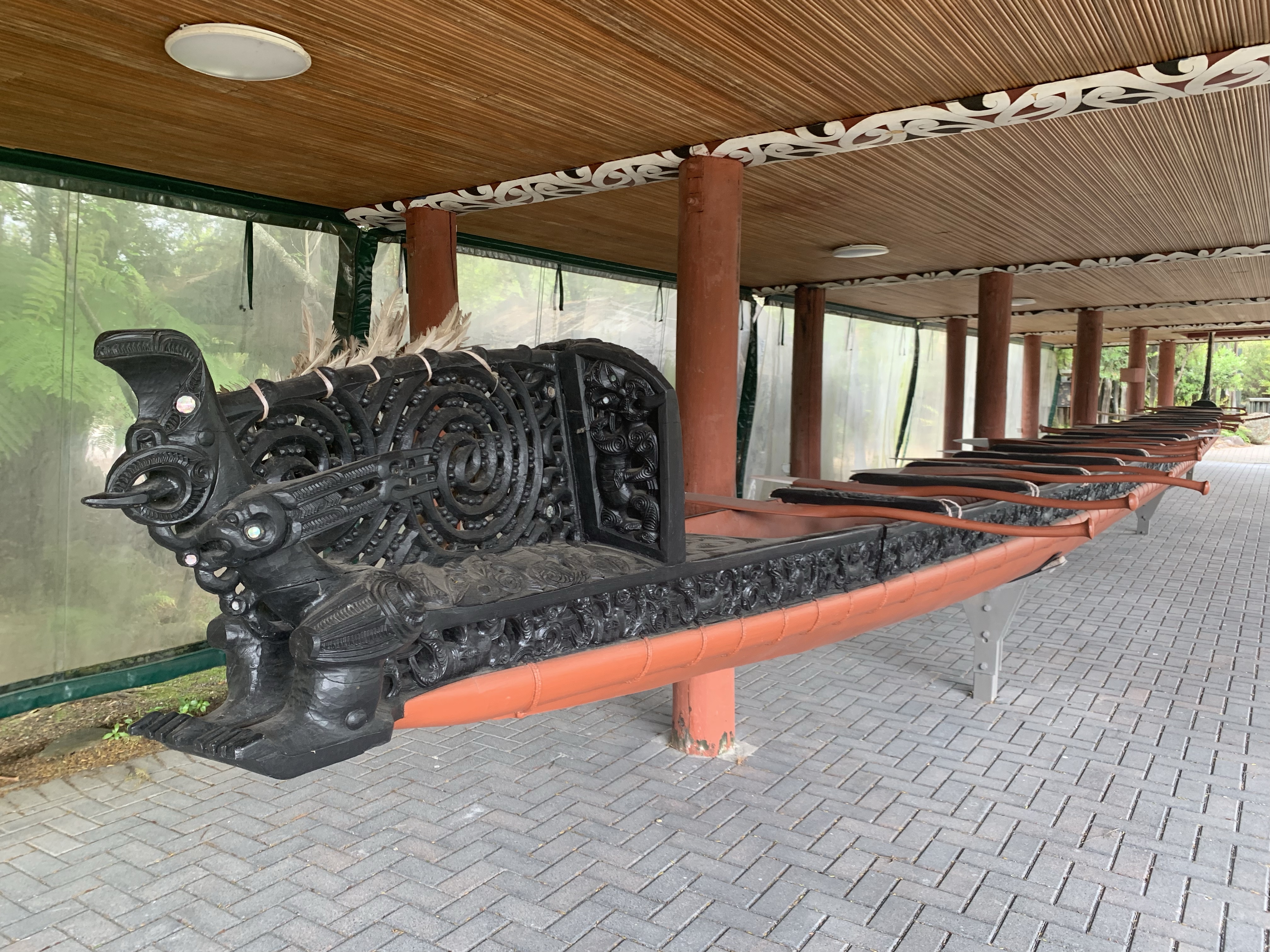
The kiwi house at Te Puia was rewarding with two resident kiwis. It was also interesting to see the recreated Pikirangi village with a long canoe and bronze store room on high stilts.

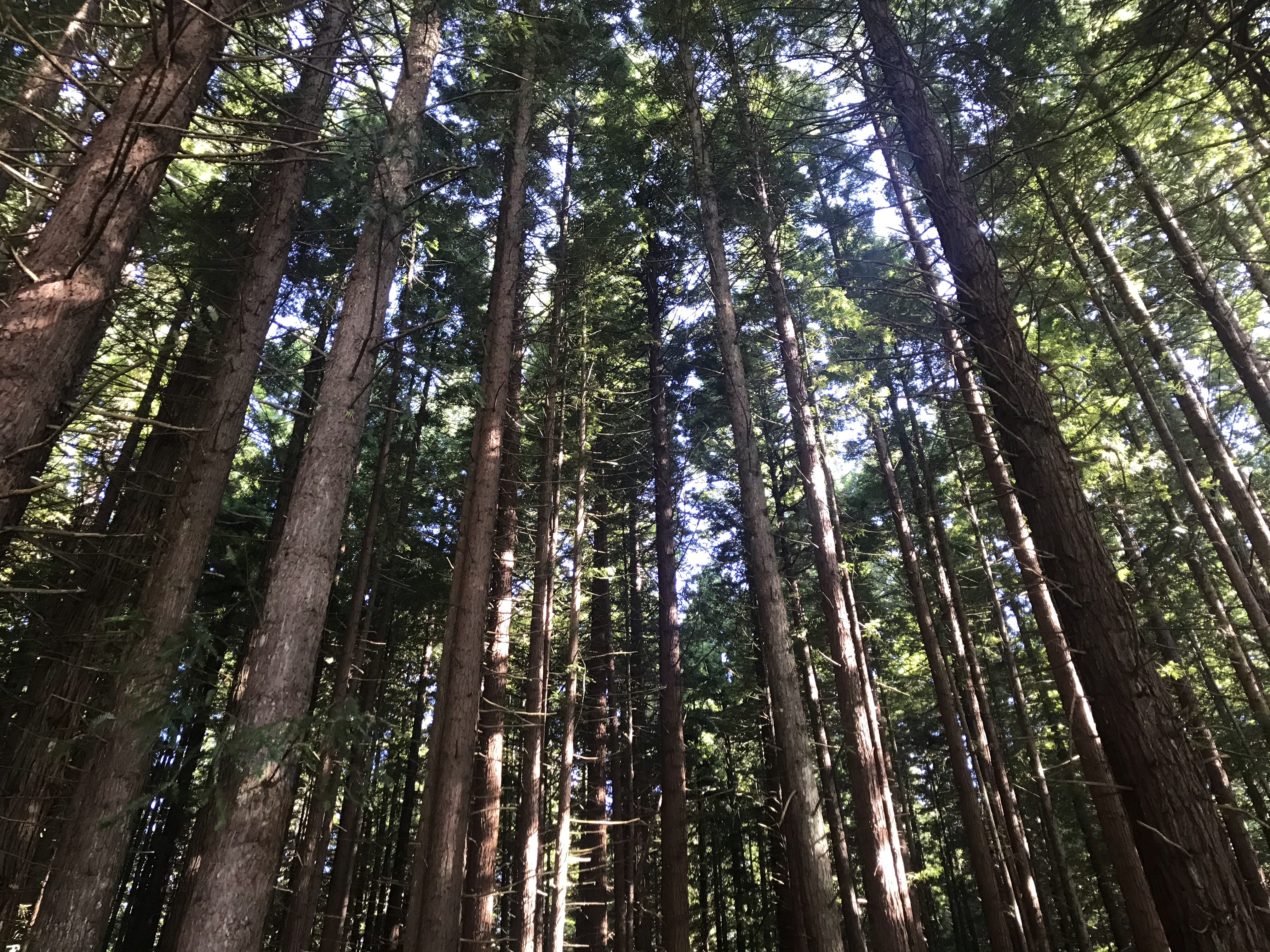
As well as the 18 lakes in the area (Lake Rotorua is the largest) there is also incredible nature to be found in the Redwoods forest. From 1899 170 tree species were planted, with the mighty Californian Redwoods stealing the show at heights of up to 72 meters. I had a wonderful run up and down the tracks here.
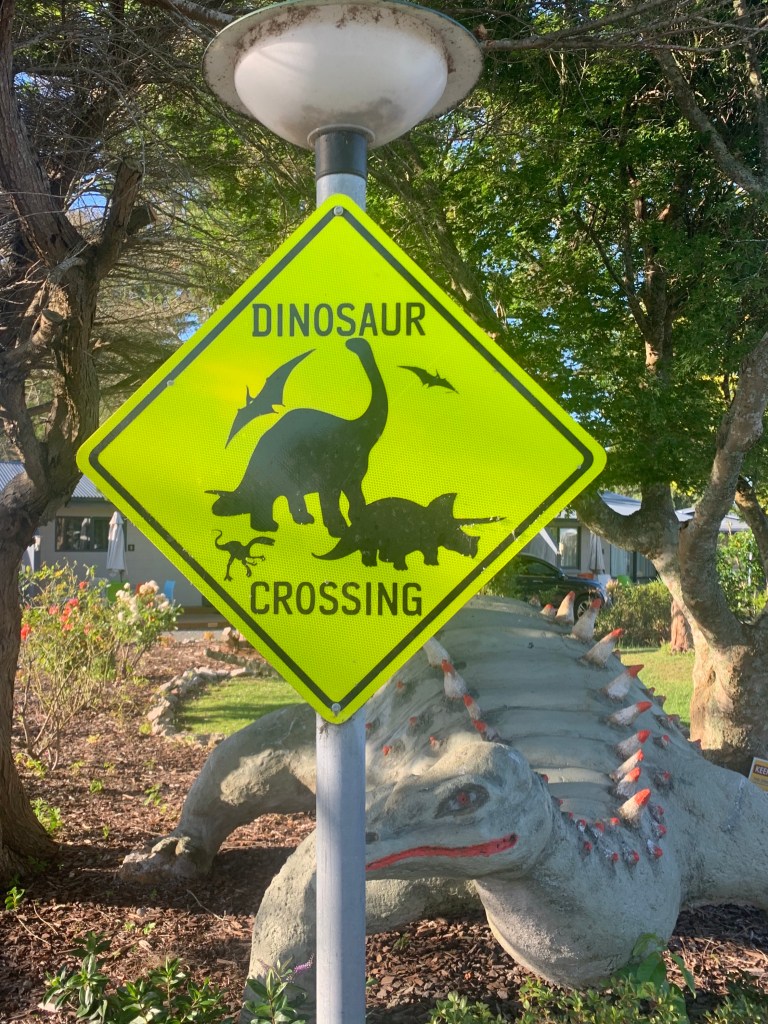
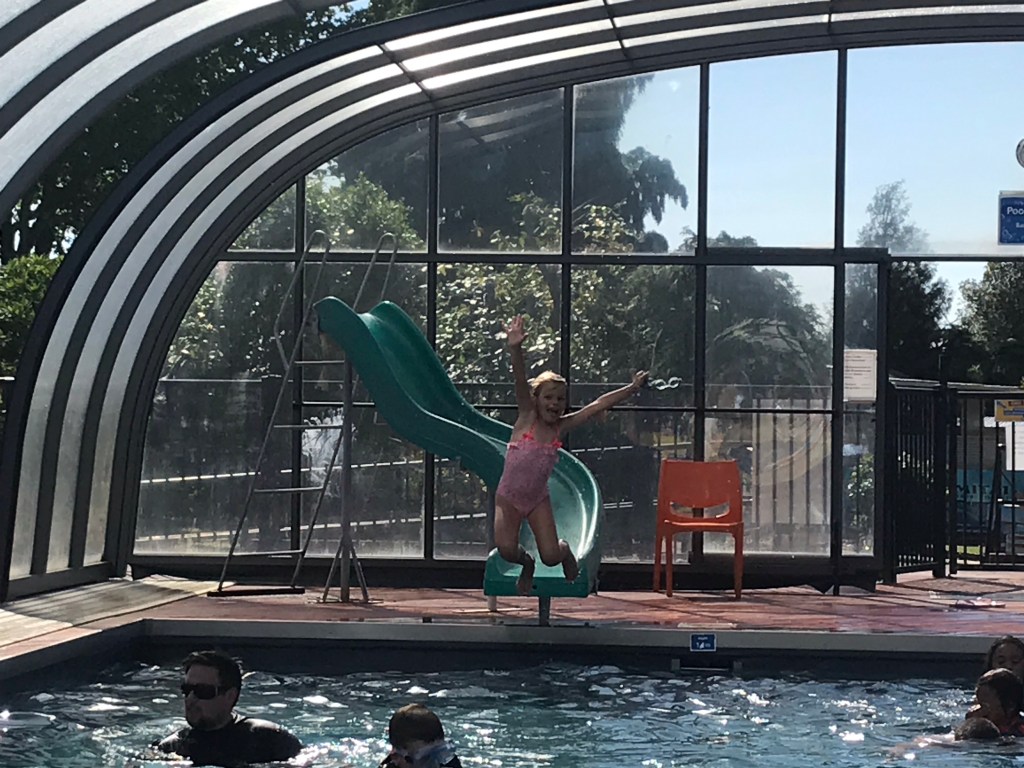
We had struggled to find places to stay as it was peak holiday season. In Taupo we booked into a slightly odd motel which was at least right on the lake. In Rotorua we fared better, staying at the fun All Seasons Holiday Park 8km out of the town. The girls enjoyed a dinosaur trail exploring the life-size models across the campsite and there was also a heated swimming pool and lots of playgrounds (including a bouncy castle where Molly lost yet another single flip flop…)
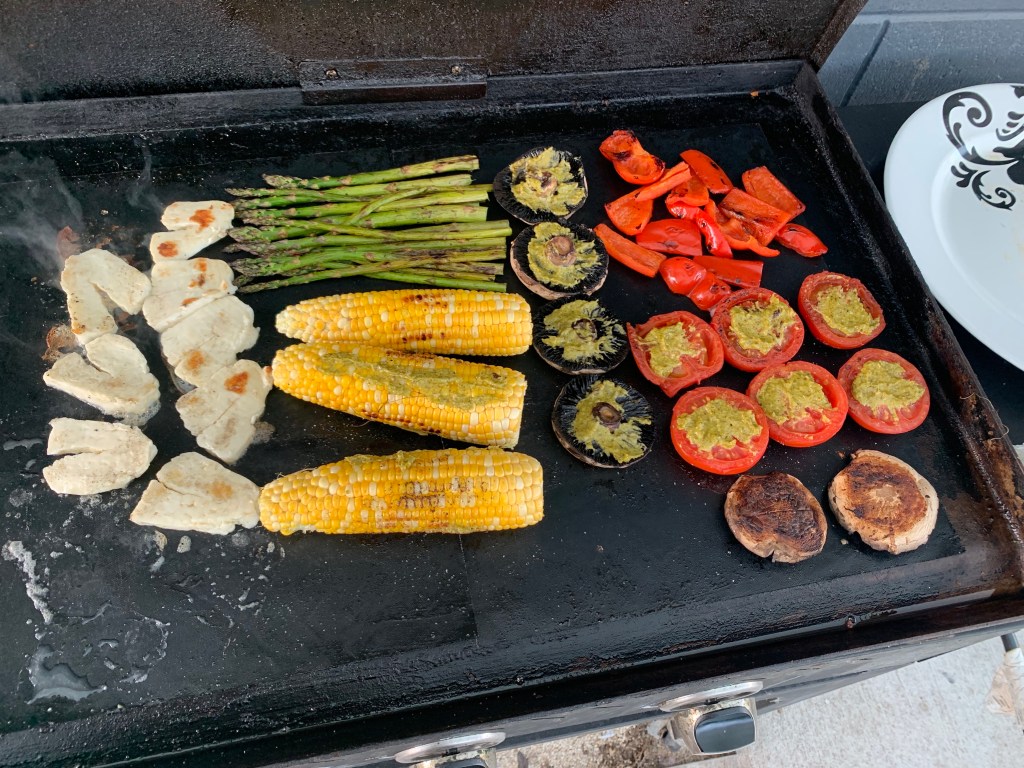
Tom cooked a memorable all-veggie bbq rounded off with some gluten-free Christmas pudding!
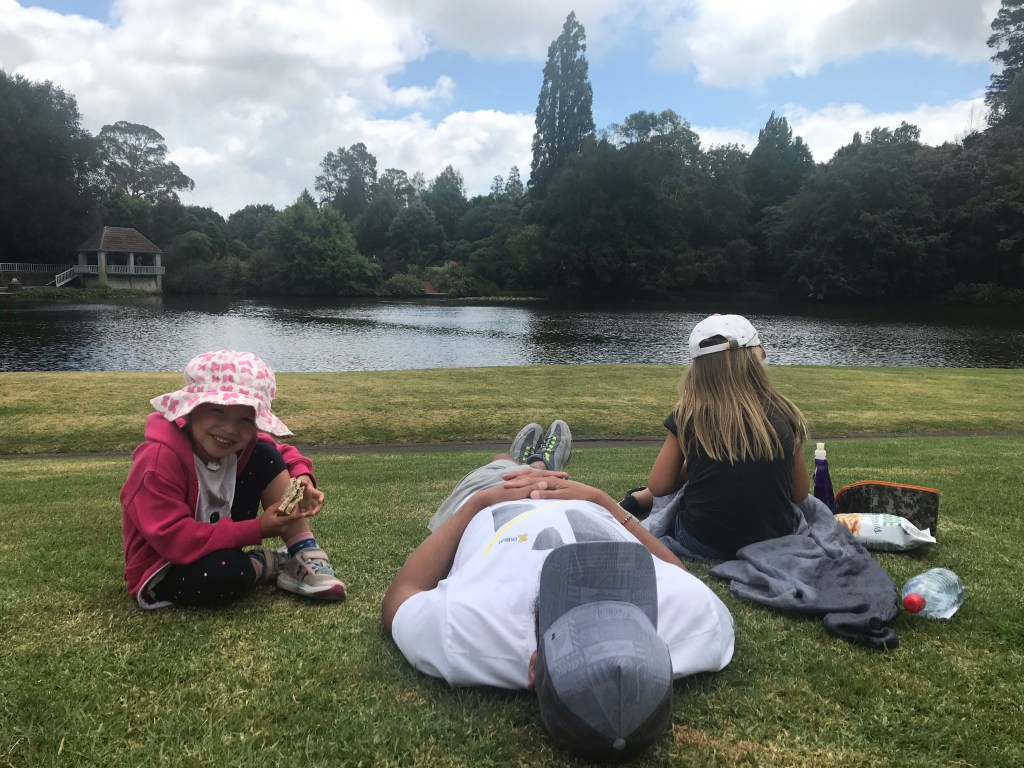
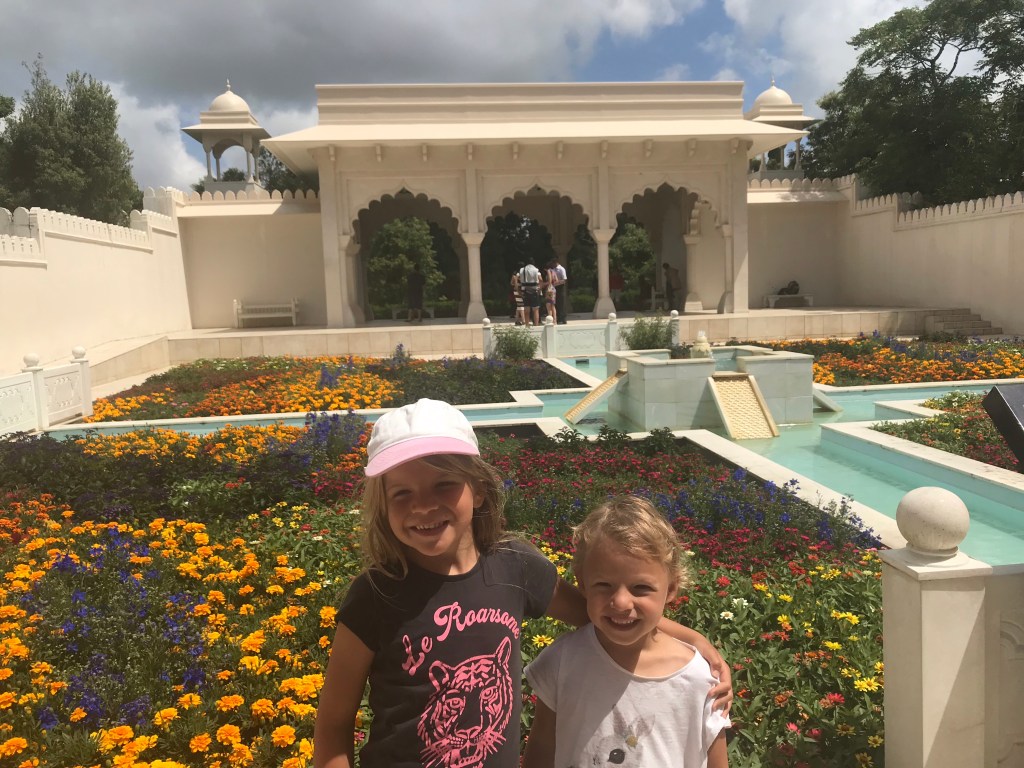
Driving north we stopped for lunch at Hamilton, enjoying a picnic beside Turtle lake. Tom had a snooze while us girls managed a horticultural world tour, exploring Chinese, Japanese, English, American, Italian and Indian gardens.
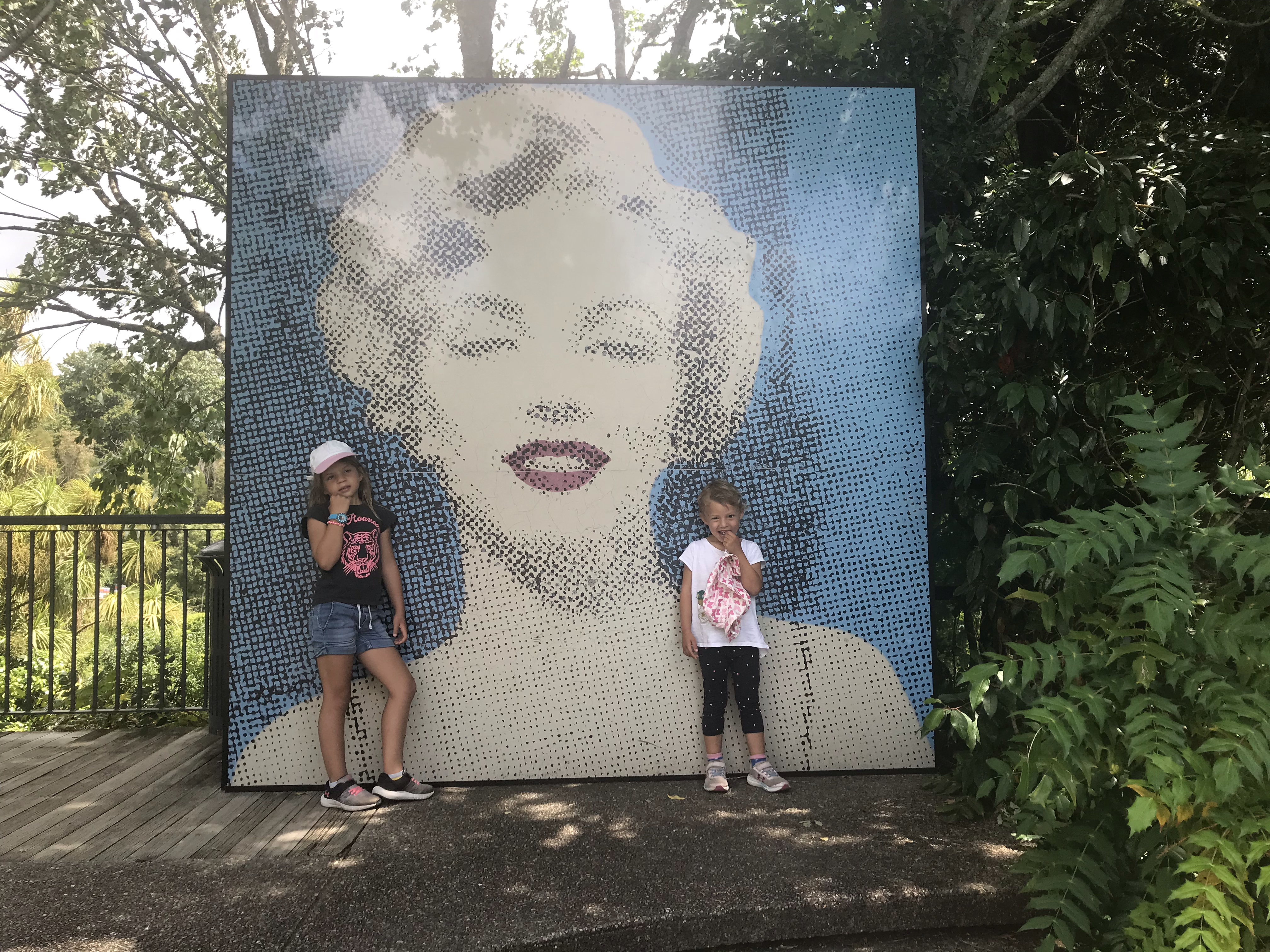
From there it was only another hour or so to Auckland – it was time for us to find a place to celebrate New Year’s Eve.
 Life with MoJo
What dramatic and extraordinary scenery and adventures – love the idea of Tom doing the Haka!
LikeLiked by 1 person