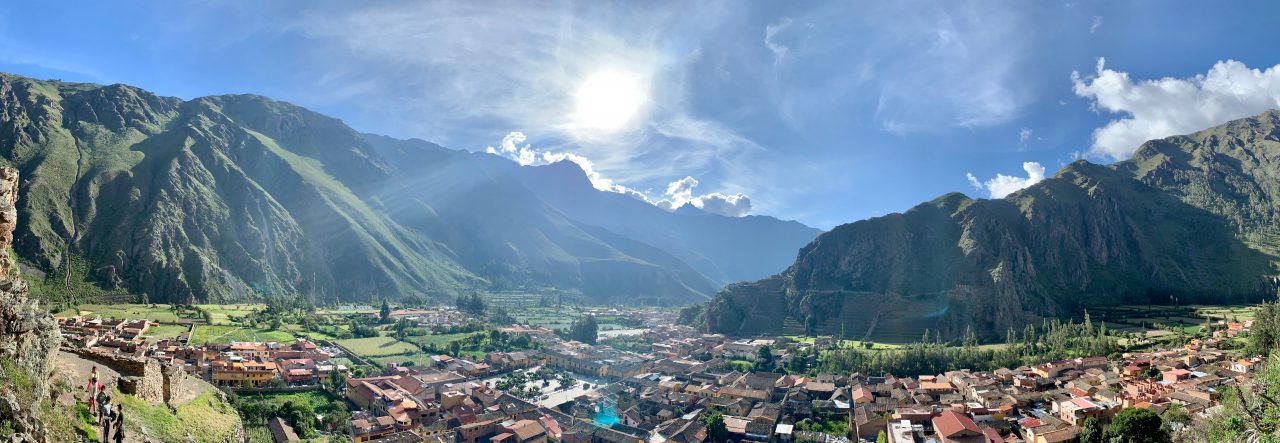
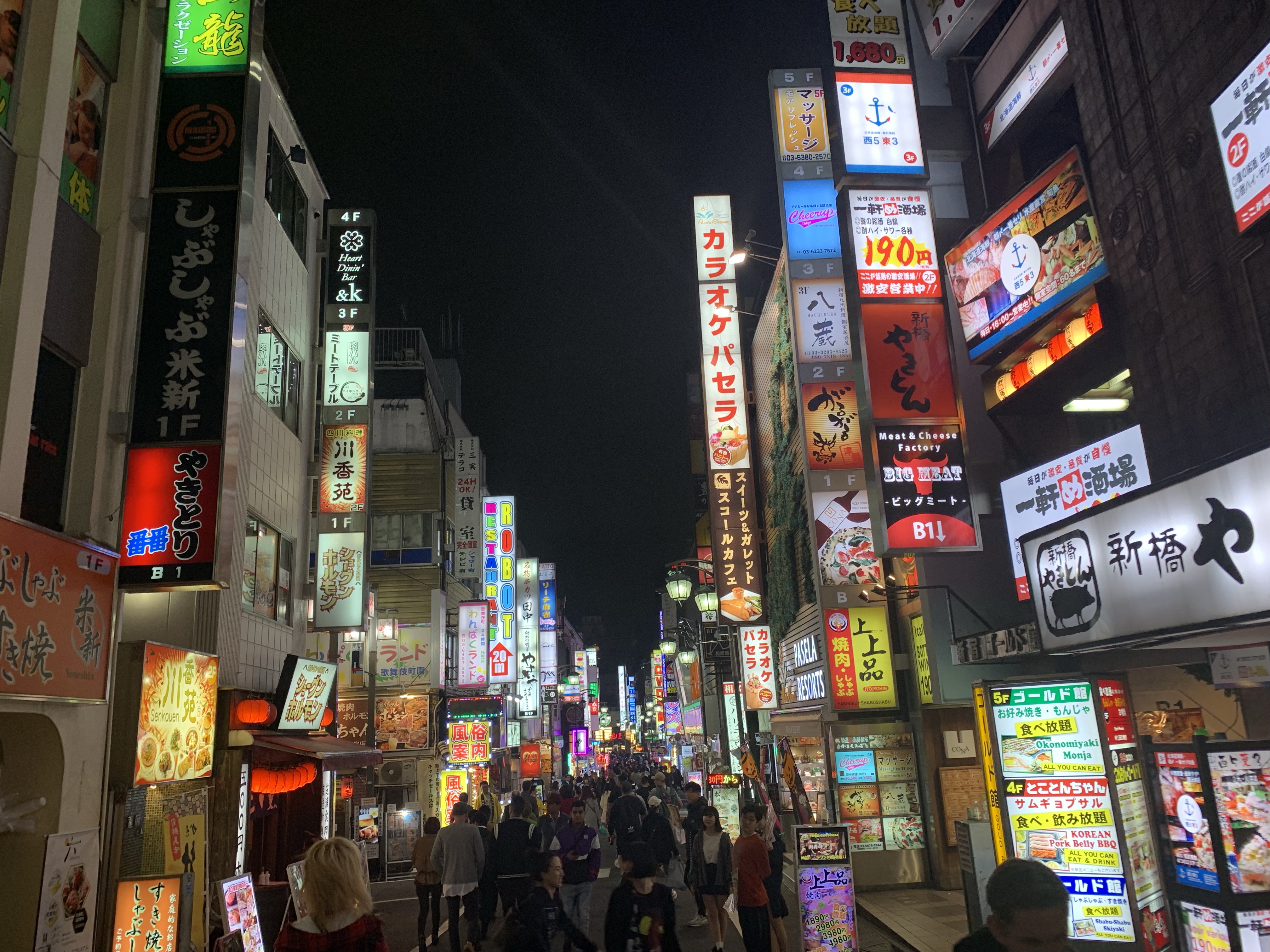
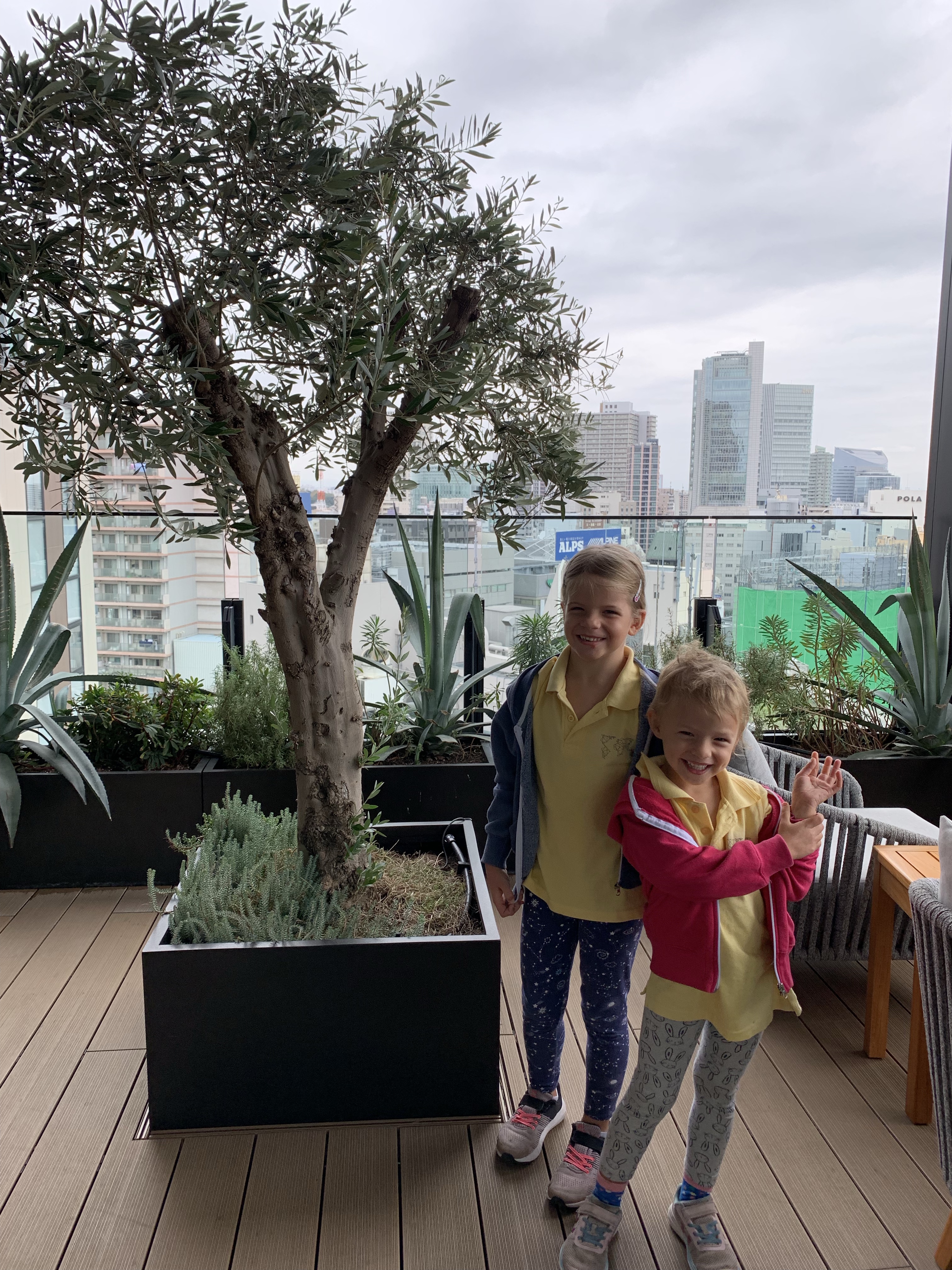
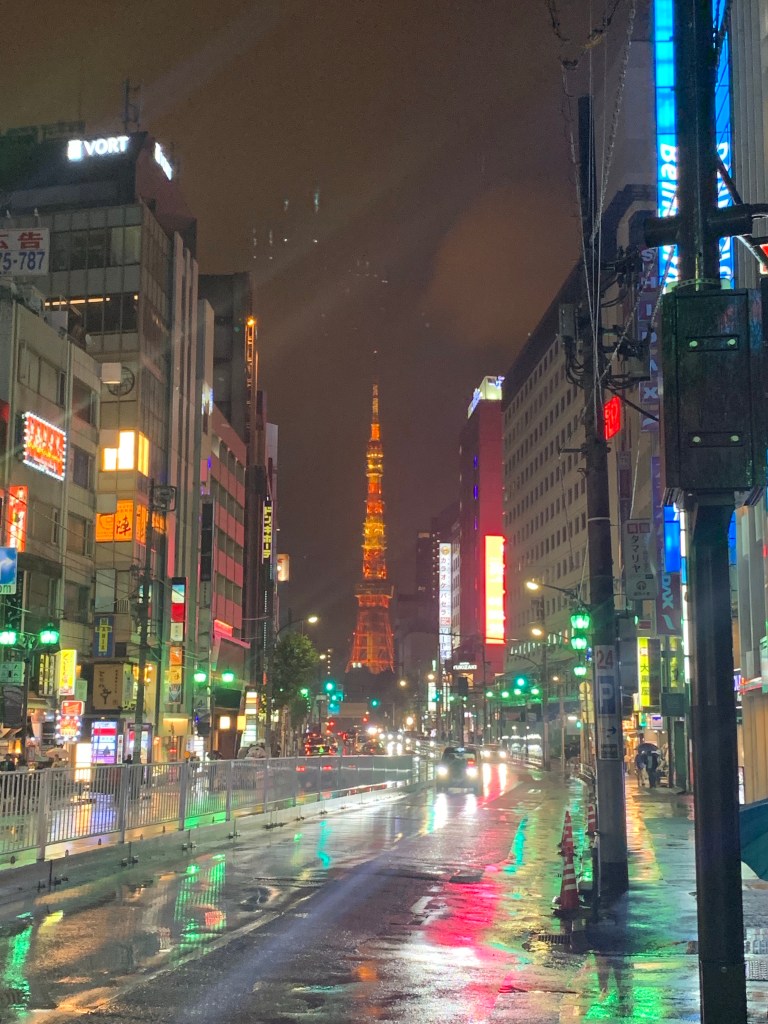
It is next to impossible to know the right place to stay in the sprawling metropolitan mass that is Tokyo. We followed advice to stay near a station on the JR Yamanote line, picking Gotanda and it was a good choice. From there we had long runs along the Meguro river to the sky garden and could access the parts of the city we wanted to pretty easily on public transport. On our last night we enjoyed dancing to some jazz musicians busking outside the station. Our hotel had an onsen on the roof, where unfortunately kids were not allowed but Tom and I visited separately! We could all enjoy stunning views of the city from the oddly situated rooftop lobby.
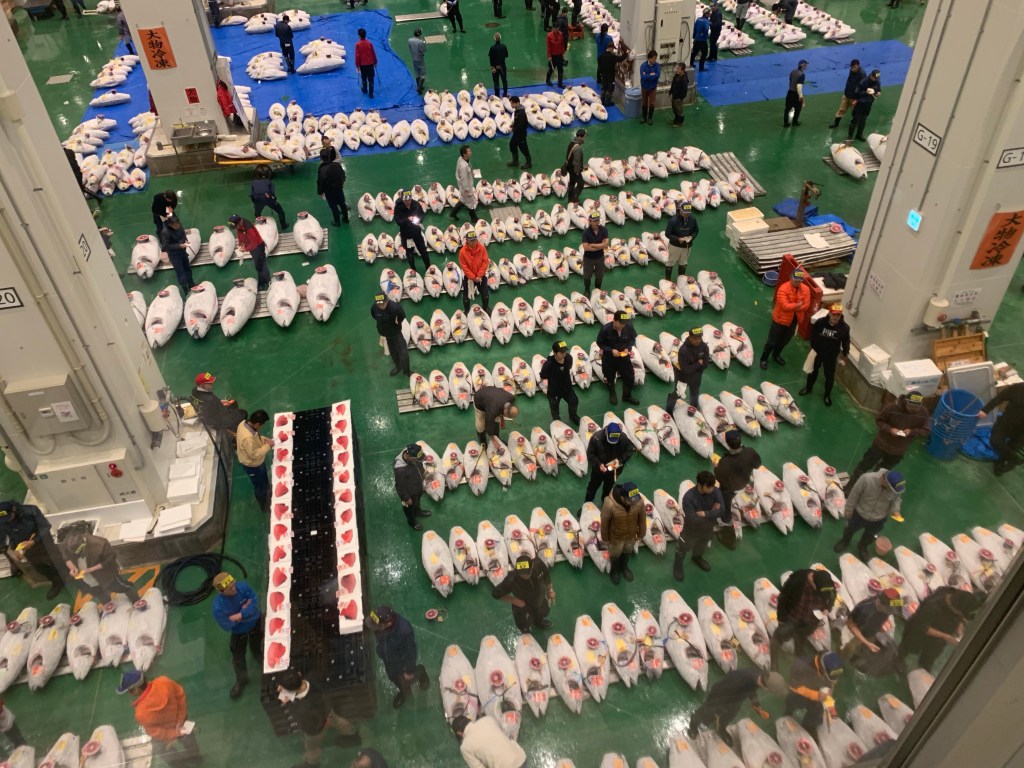
Tom was forced to take a taxi to the Toyosu fish market (Tokyo Metropolitan Central Wholesale Market) to see the live tuna auction as it started before the trains which was an expensive enterprise. It moved to its new location in 2018 from the old fish market of Tsukiji. He should have applied to a lottery a month before to get a chance to get closer to the action but still had good views from the public viewing deck with speakers installed to hear the action going on below.
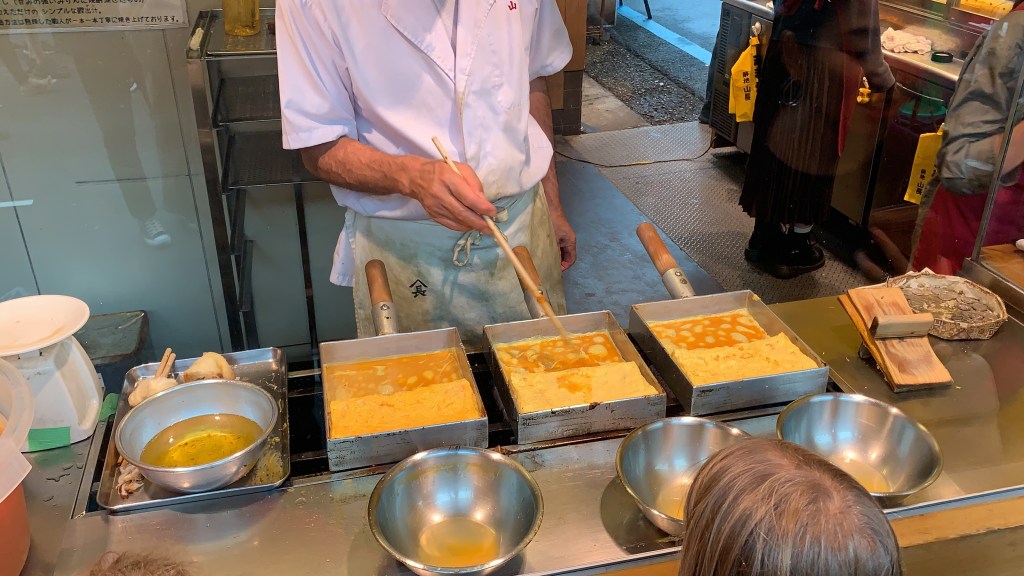
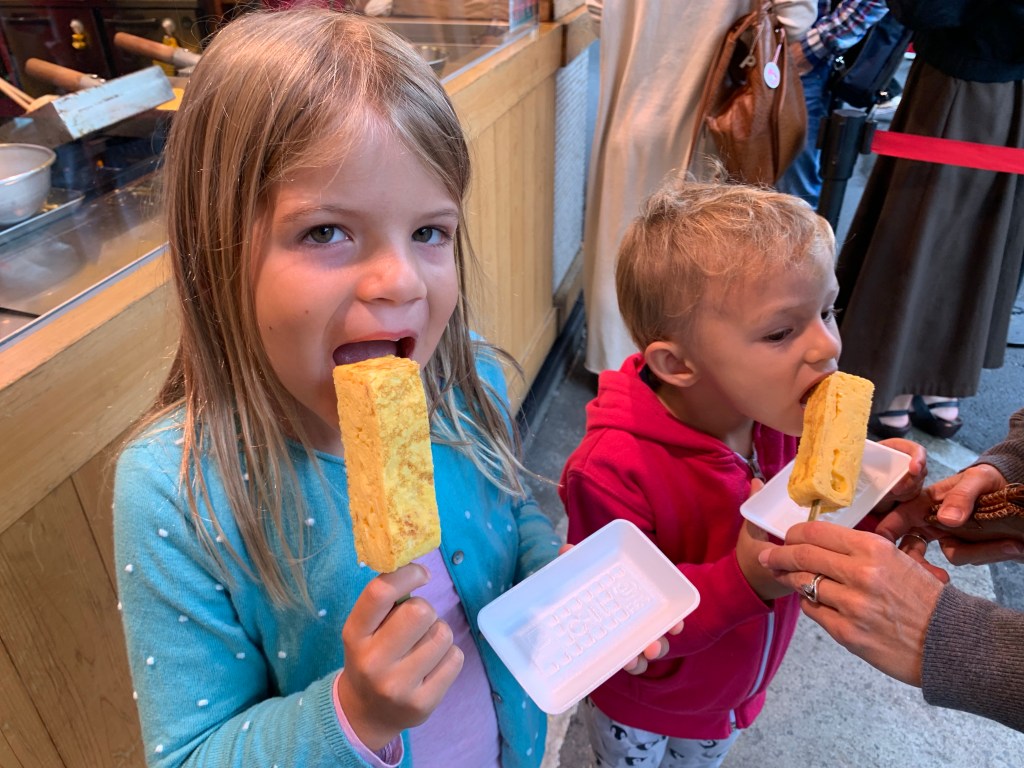
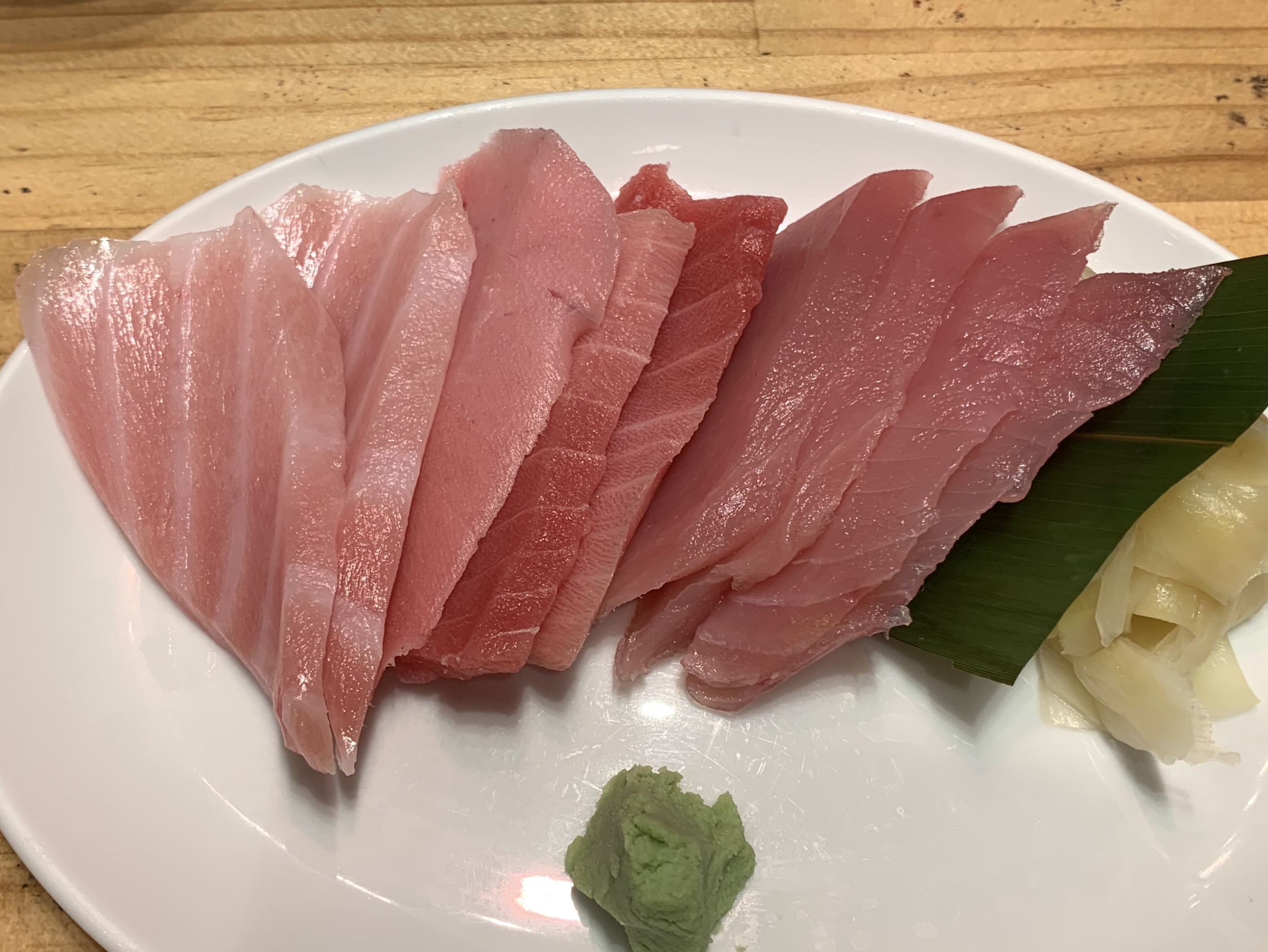
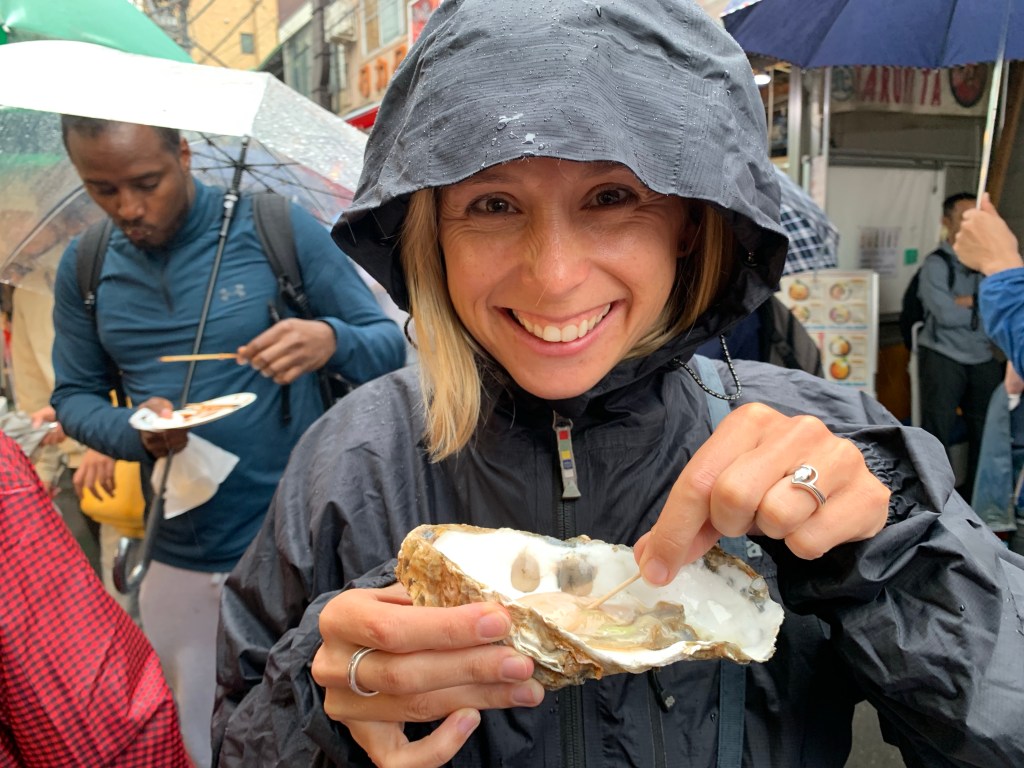
We all went to the original Tsukiji market near Ginza, known as Japan’s ‘food town’, where we enjoyed the lively atmosphere, sampling the rectangular omelette (tamagoyaki), oysters, dim sum and various parts of tuna sashimi. The one temple we visited in Tokyo was close by: Tsukiji Hongwanji temple. We only went in because it was raining!
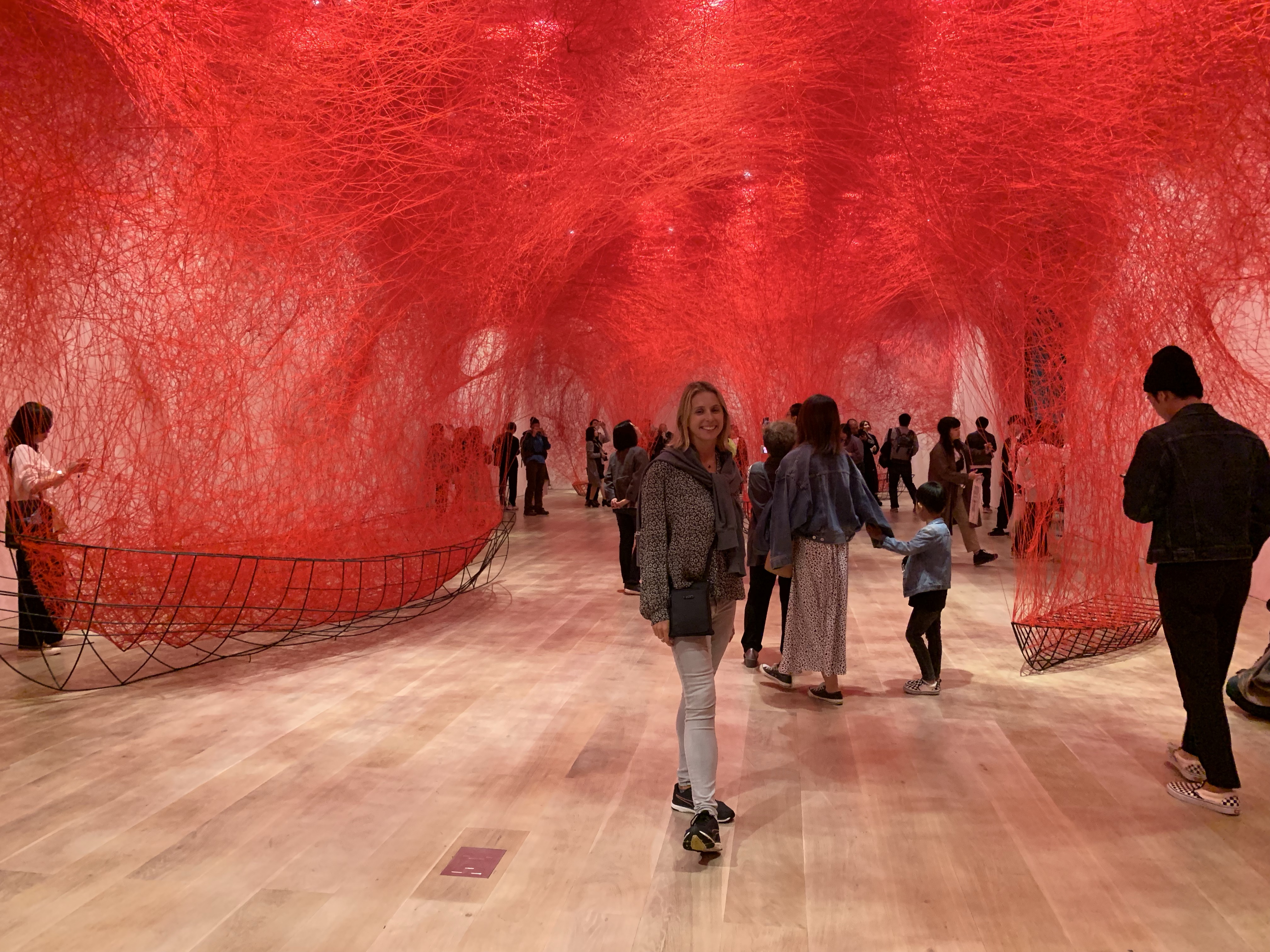
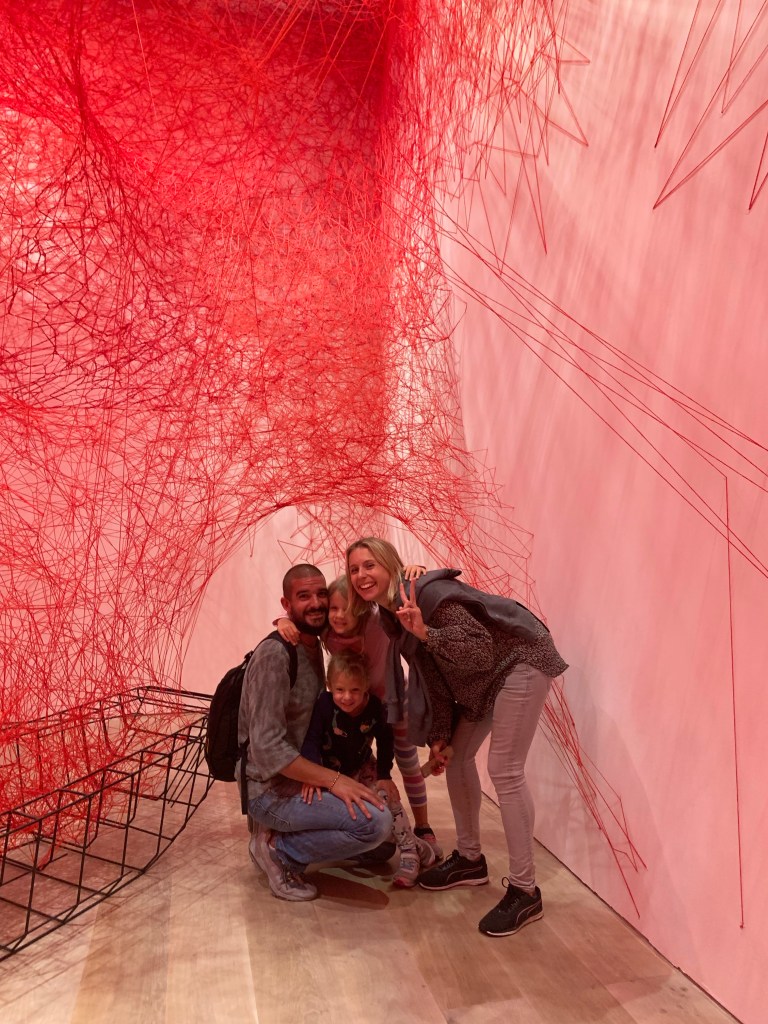
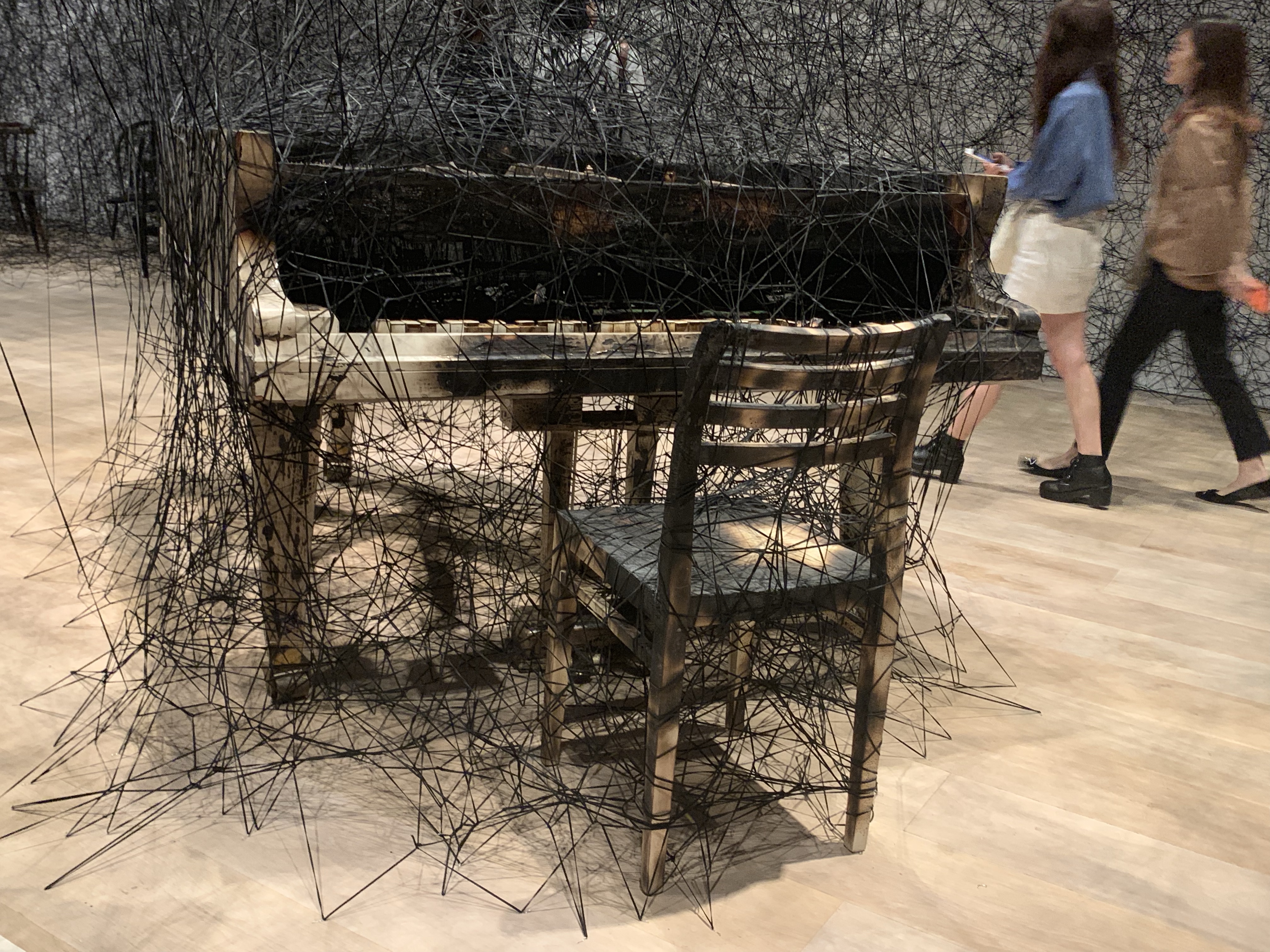
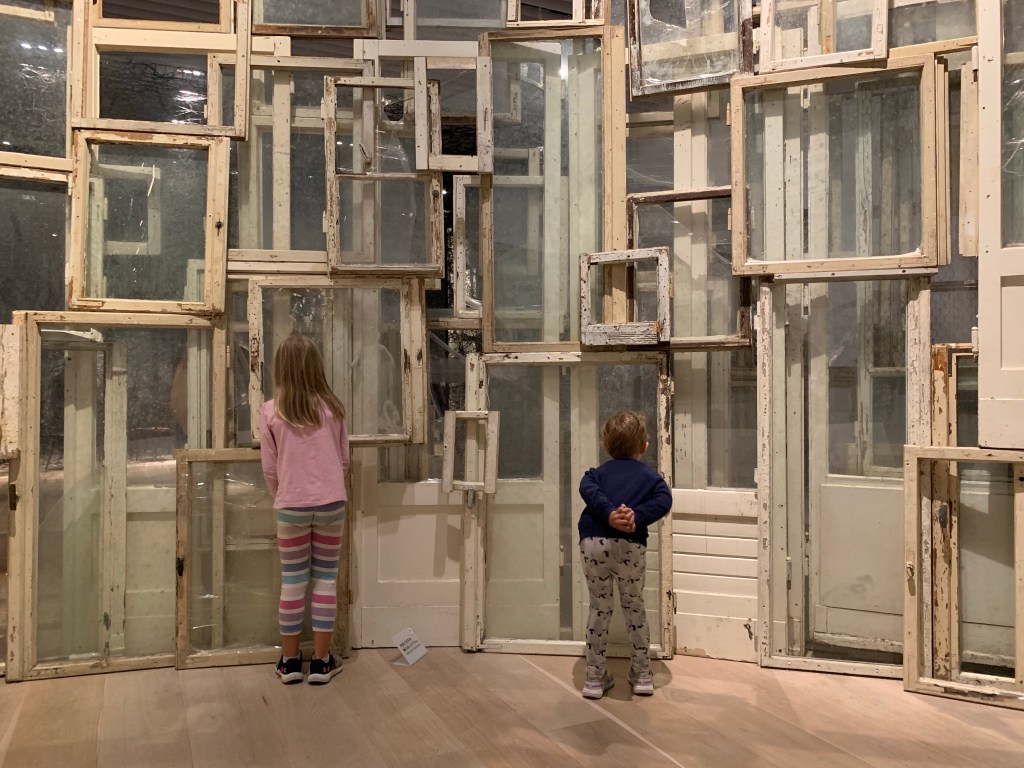
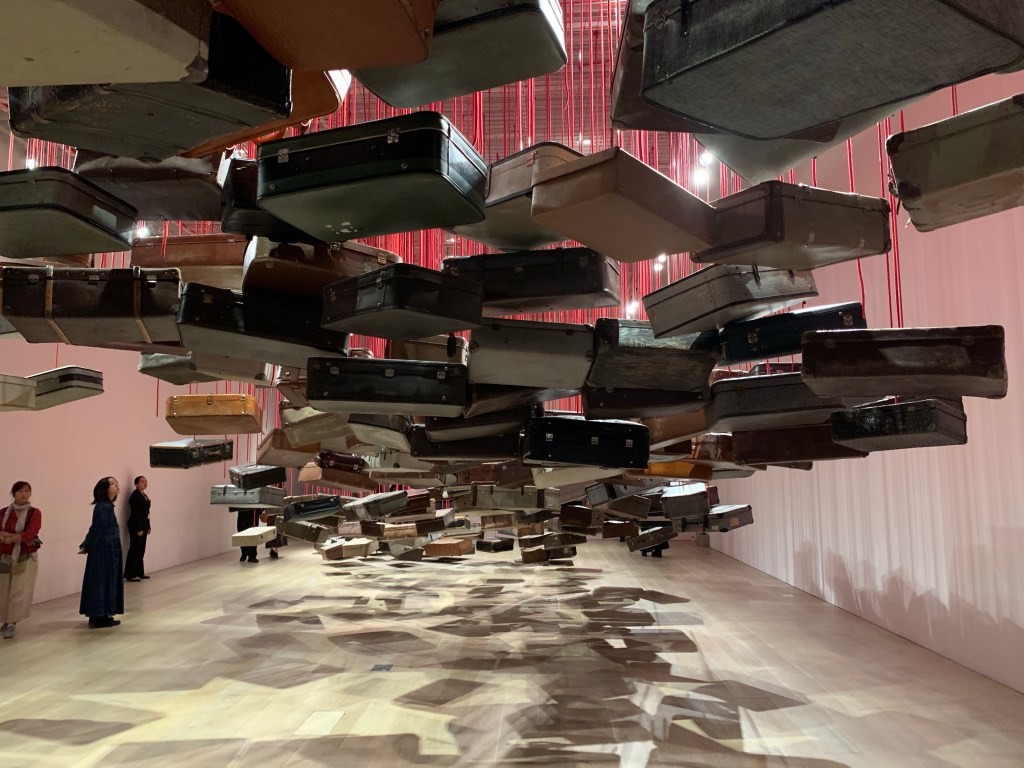
First stop for some art was the must-visit Mori Art Museum in trendy Roppongi Hills. The museum is located on the 52nd floor, so the views are tremendous. We were there to see a solo exhibition by the incredible artist Shiota Chihara, ‘The Soul Trembles’, very much worth the hour queue to enter (Tom and the girls went off to look round a Lego store while I stayed in line on my kindle). We were all mesmerised by the installations, made with anything from childhood toys to a burnt piano and hanging suitcases, all connected and bound by her signature thread. It was also interesting to learn about Shiota’s beginnings as an artist and more recent set-design projects.
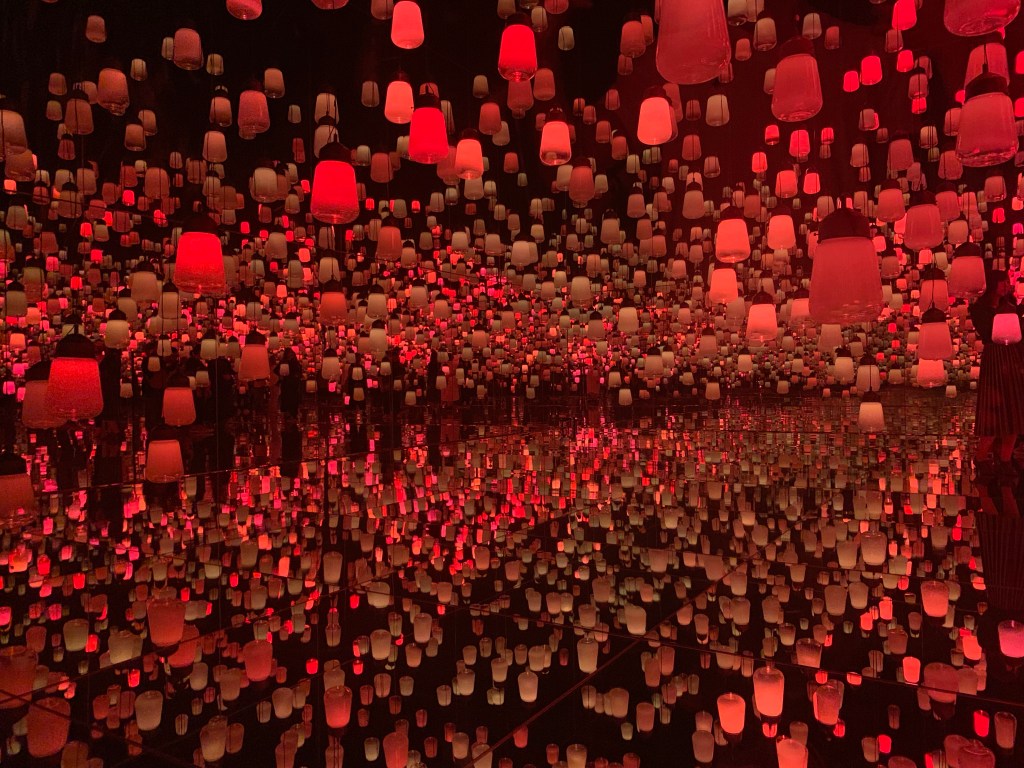
The next day we took the train to Aomi to visit Teamlab’s Boundless, where we spent about six hours exploring room after room of immersive artworks. Highlights were the forest of lamps, a light-show experience and the future park for the kids to do many of the activities familiar from Oli Oli in Dubai but also jump on huge air pillows and climb through a virtual forest. Knowing smaller versions of their works from art fairs, I knew a visit was essential and I’m so pleased we went. There was another long queue to enter, even with advanced ticket purchase online (Tom and the girls left me lining up again, this time finding a Toyota car exhibition) and queues for individual rooms inside. The themes of nature and the passing of seasons are interestingly at odds with the mind-blowing possibilities of technology that they display.


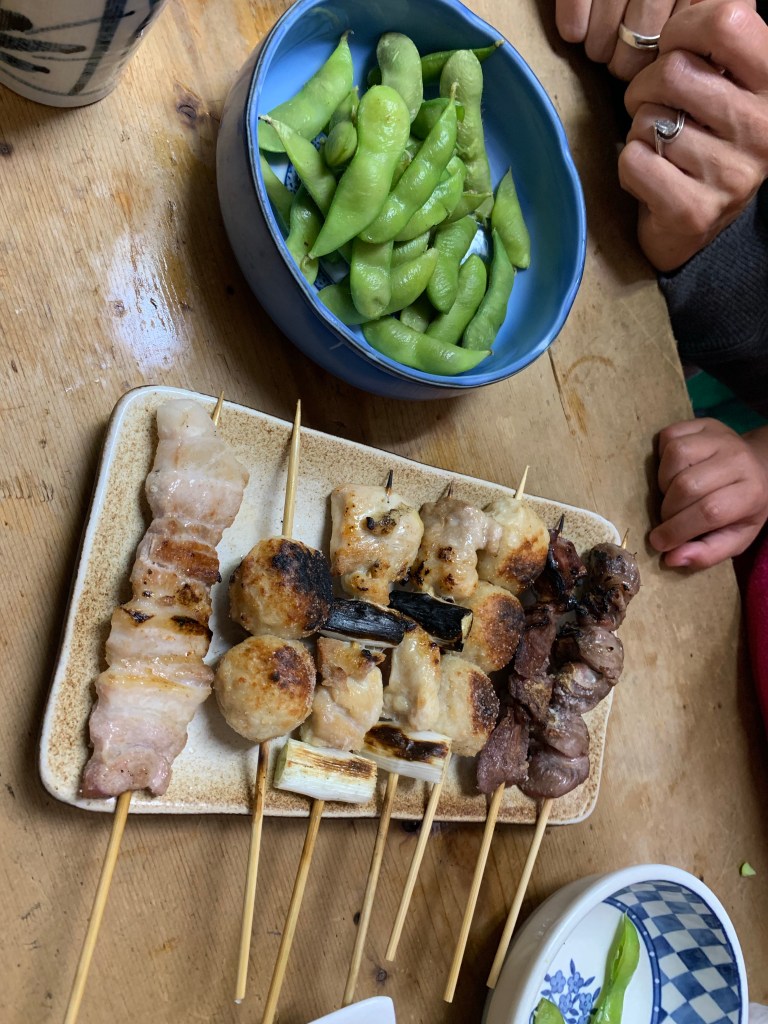
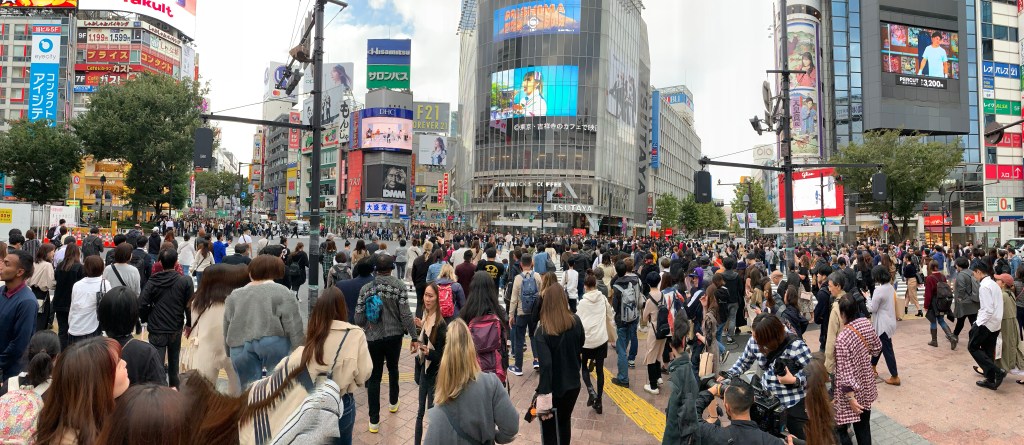
Other parts of the city we enjoyed were Yakitori alley in Shinjuku, laughing at the number of people taking selfies with Haricho the dog statue at Shibuya and spending just as long ourselves on the crossing, as well as the cool vibes of Harujuku.
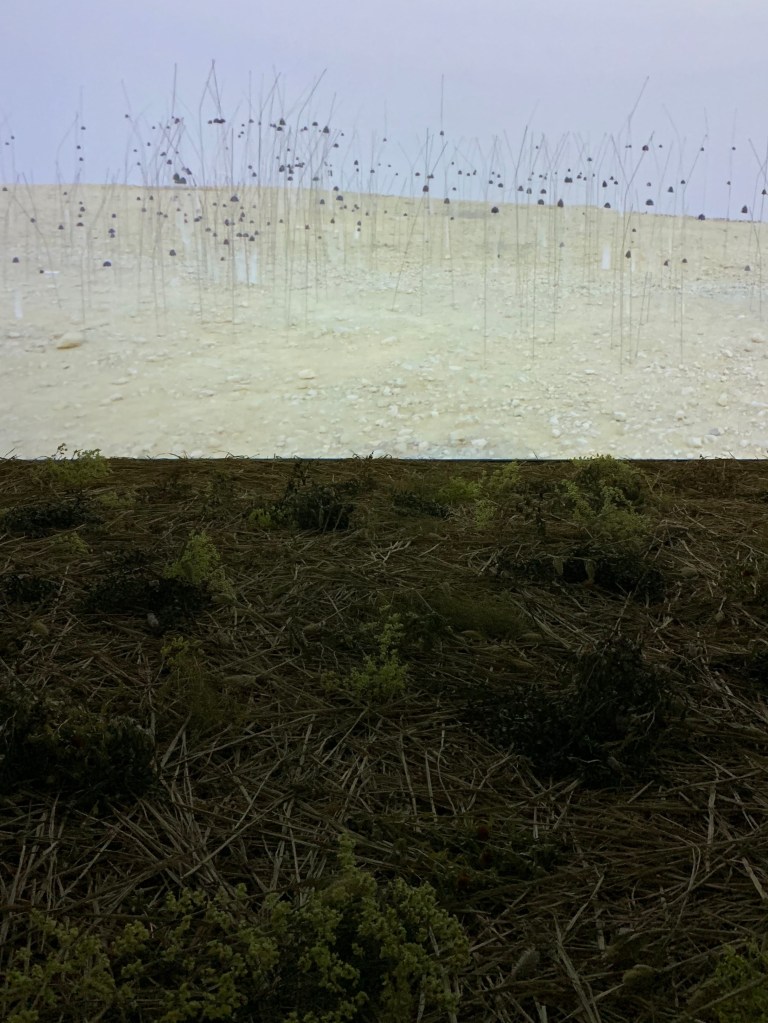
The final place we visited before going to get our plane was Espace Louis Vuitton Tokyo, which had an exhibition by Christian Boltanski including a video part of a work we had missed on Taoshima island, ‘Animitas (La forêt des murmures)’. The piece includes an installation of 300 Japanese bells on slender stalks installed in a particular arrangement to refer to the configuration of stars the night of the artist’s birth. Iterations of the work have been installed across the world, in the Dead Sea, Atacama in Chile and Quebec. Finding it here made us feel our time in Japan had gone full circle.
We left Japan on a night flight which was actually a lot longer than we had remembered, but went quickly with all of us sleeping most of the 9-hour flight. With a few hours stop over in Kuala Lumpur for breakfast, it was then onto Bali for some beach time!
 Life with MoJo