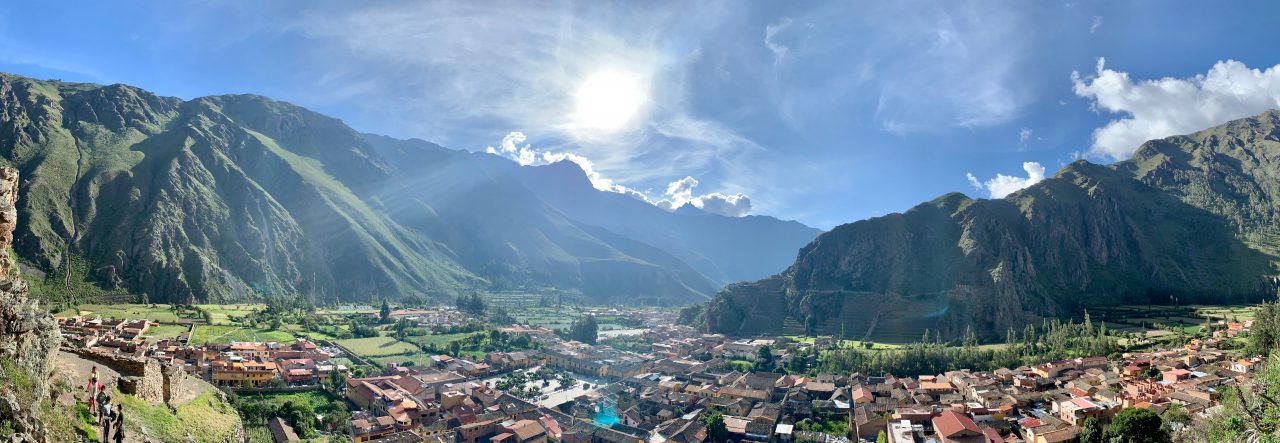
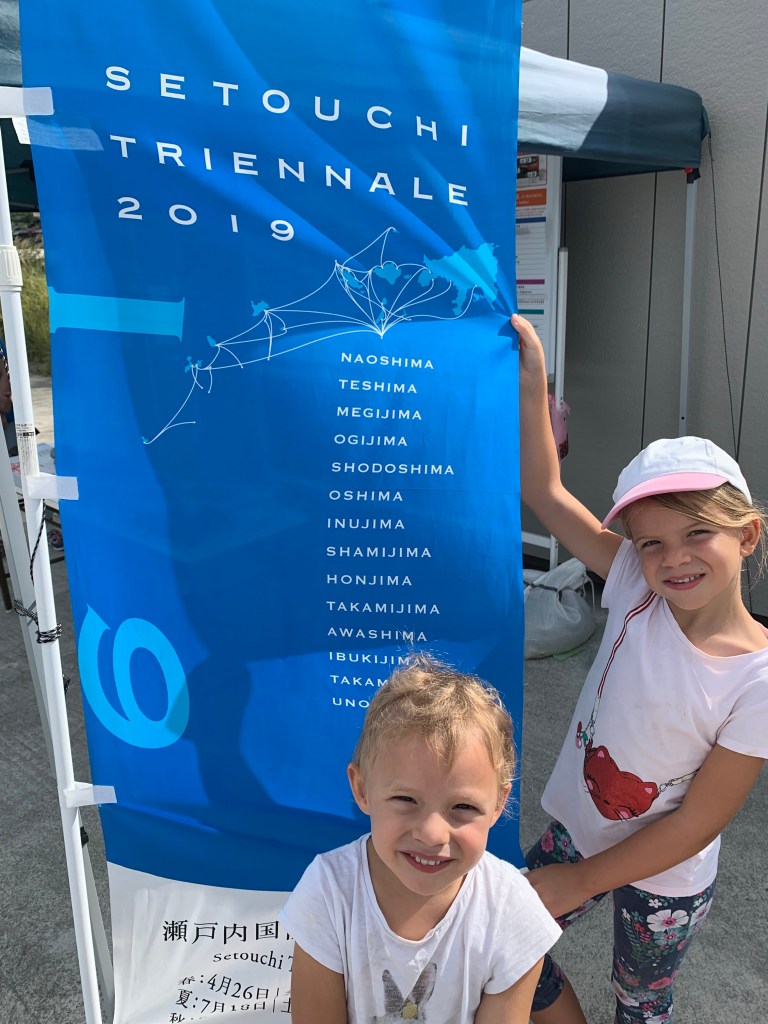
I know you won’t believe me, but I hadn’t checked the dates of the 4th Setouchi Triennale before we booked our flights in and out of Japan. It was pure luck we were there during the 5-week autumn session of the highly regarded contemporary art event, with art installations spread across 12-islands and two port cities in the Seto Inland Sea.
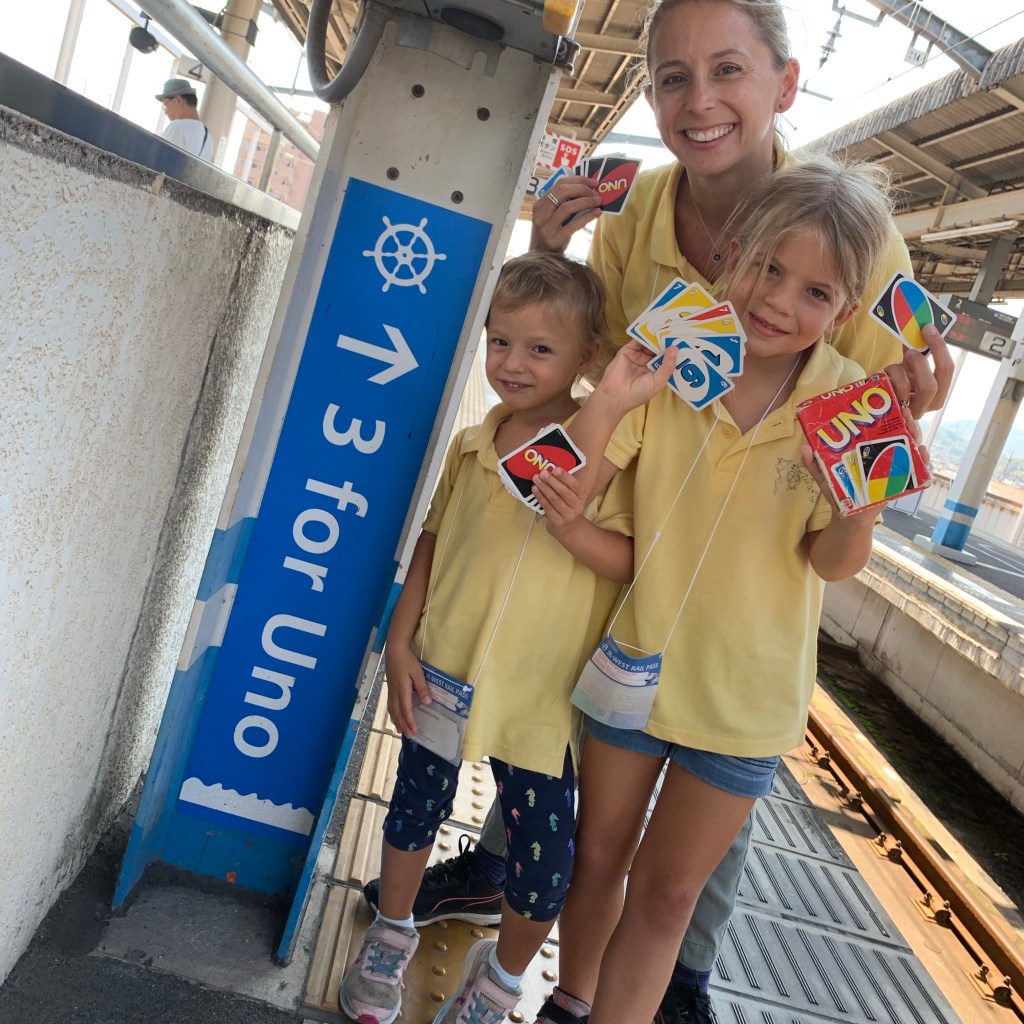
We were unlucky with our train connections on route so it took us far longer than it should have done. We found it rather hilarious to play a game of Uno at Chayamachi station waiting for a train to Uno….
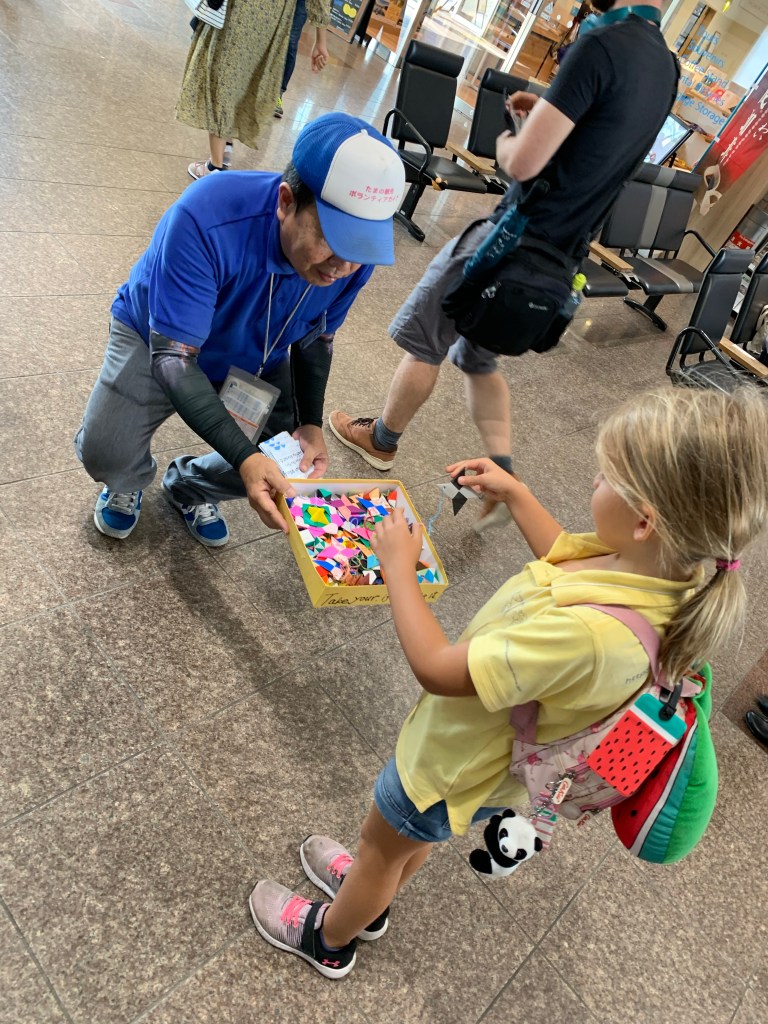
The art started as soon as we arrived at Uno train station, the building itself covered in black stripes by artist Esther Stocker and guides handing out special origami (to be stuck into the girls diaries).
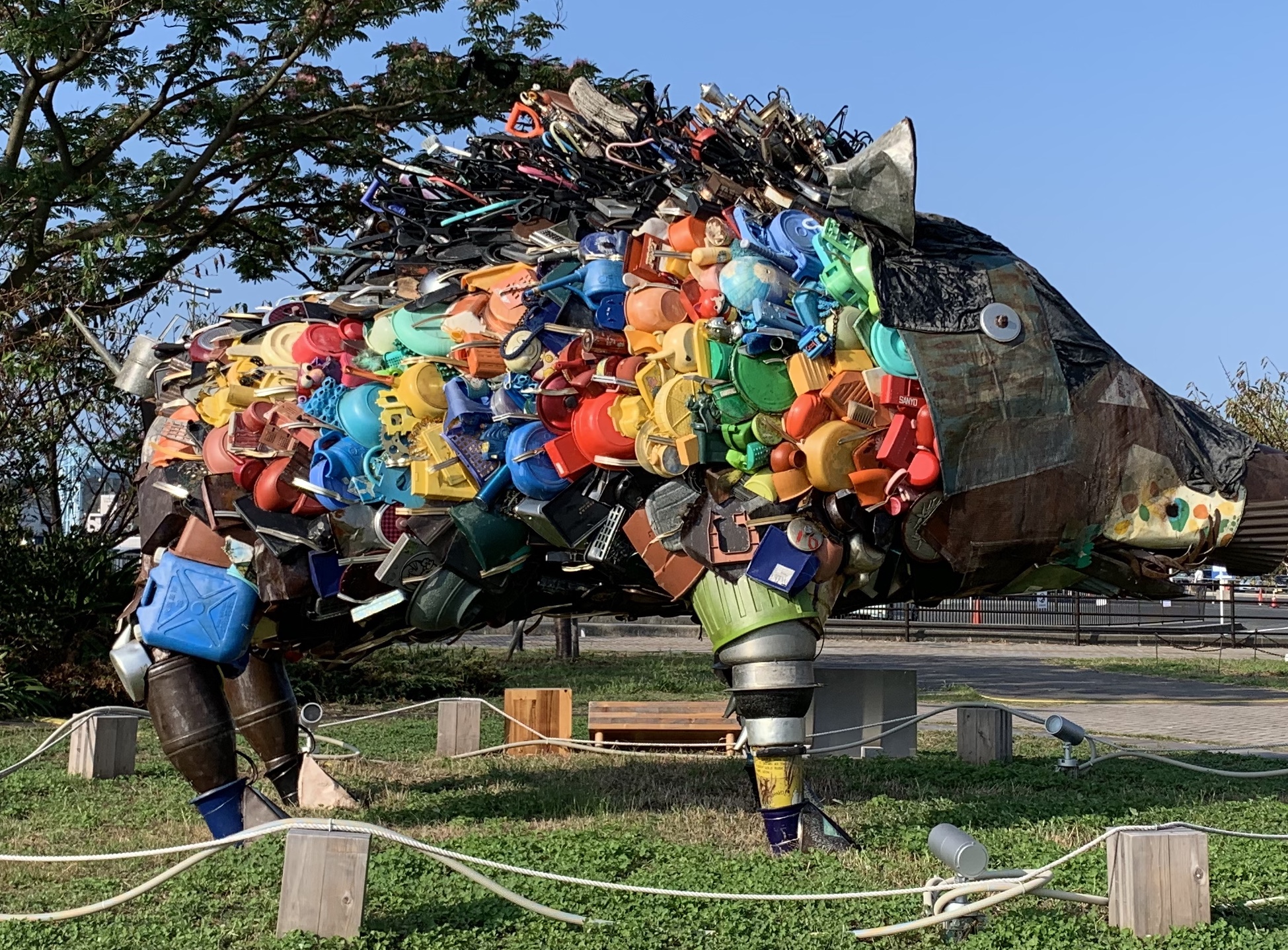
On the harbour, Chinu, the black sea bream made of recycled plastic bottles had been transformed into a pig (for the Chinese year of the pig we suppose).
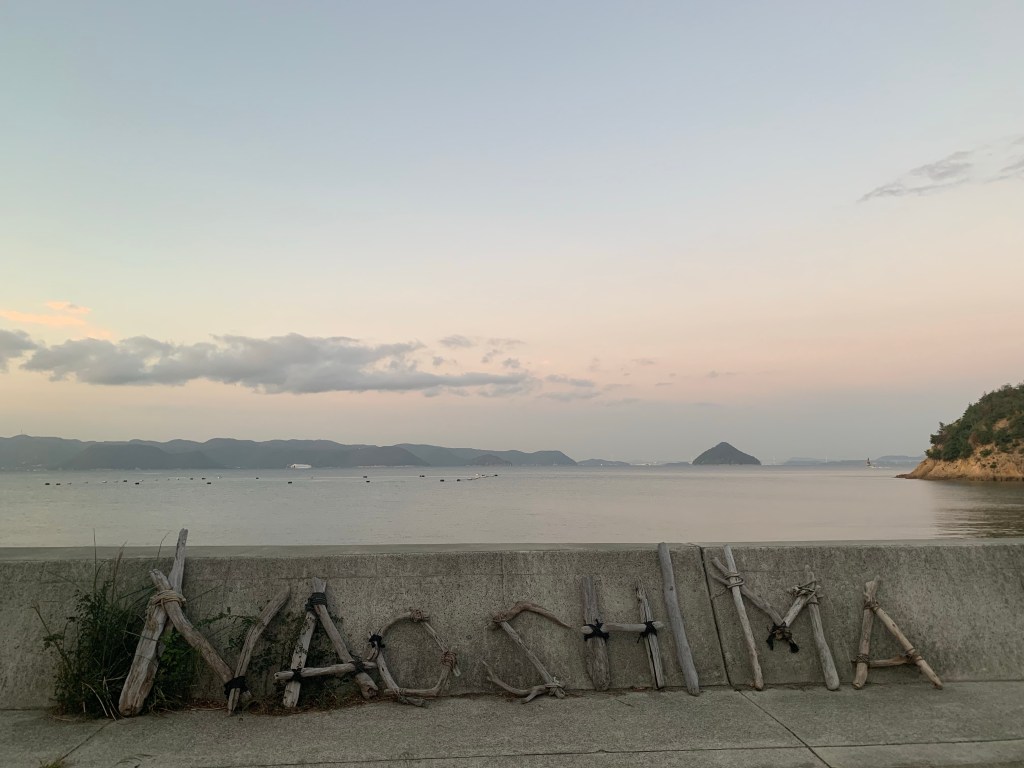
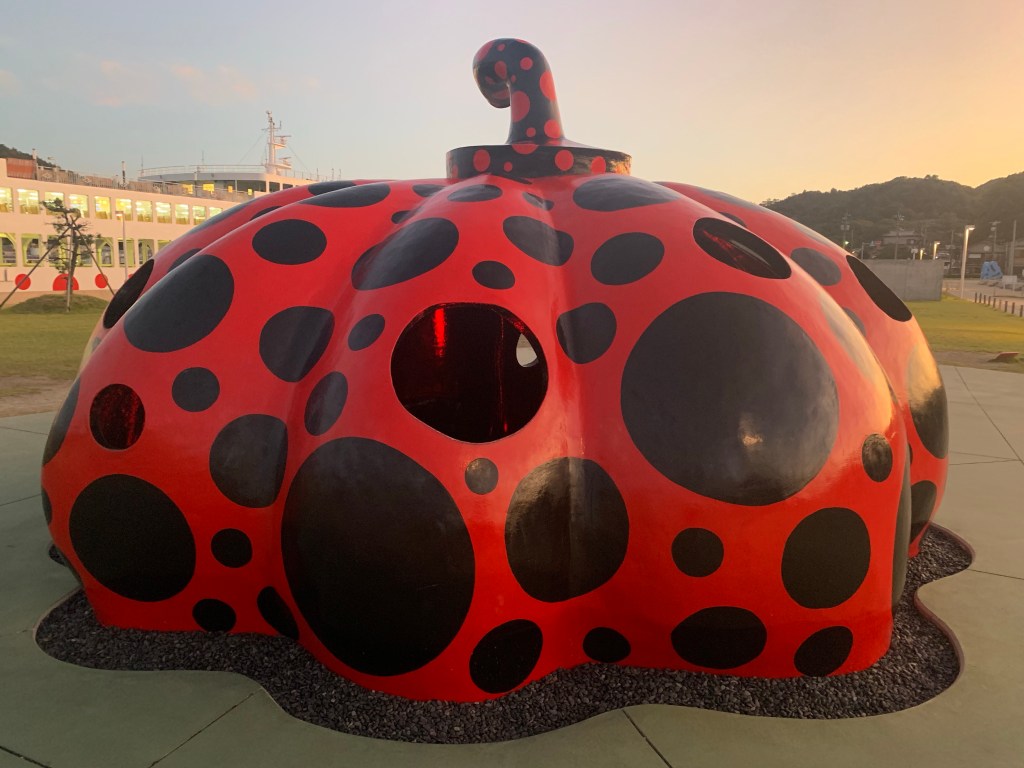
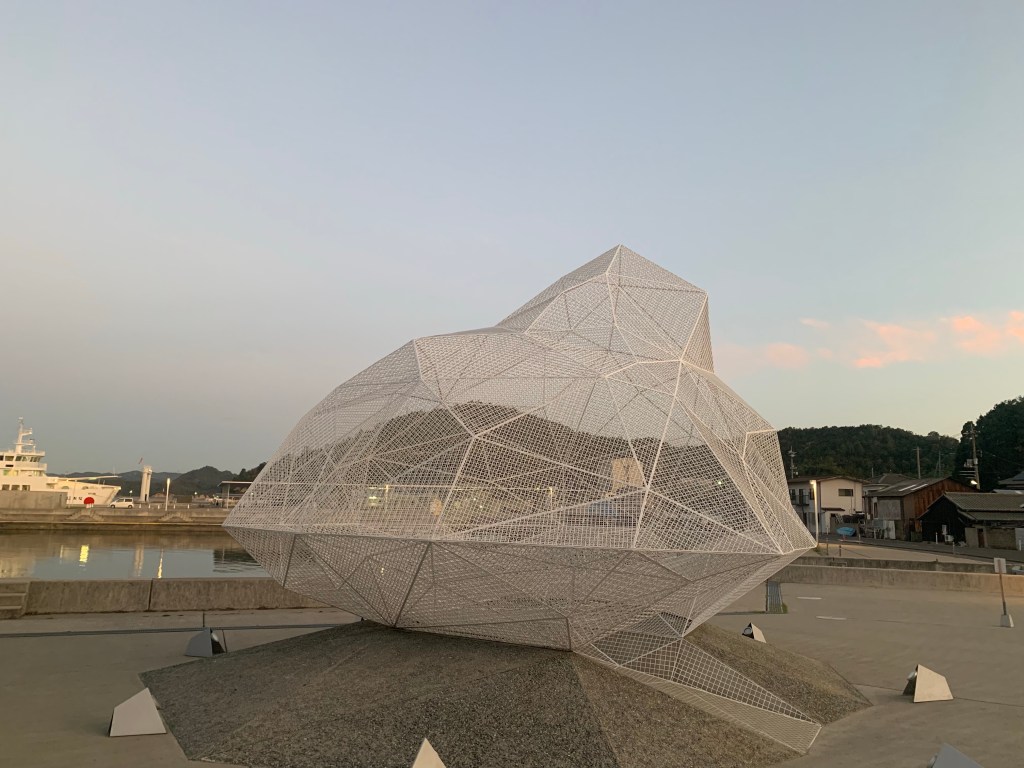
There was only one option of a boat to Naoshima, which dropped us at Miyanoura port, a bus ride to where we were staying and site of Kusama’s Red Pumpkin and the Naoshima pavilion designed by Sou Fujimoto.
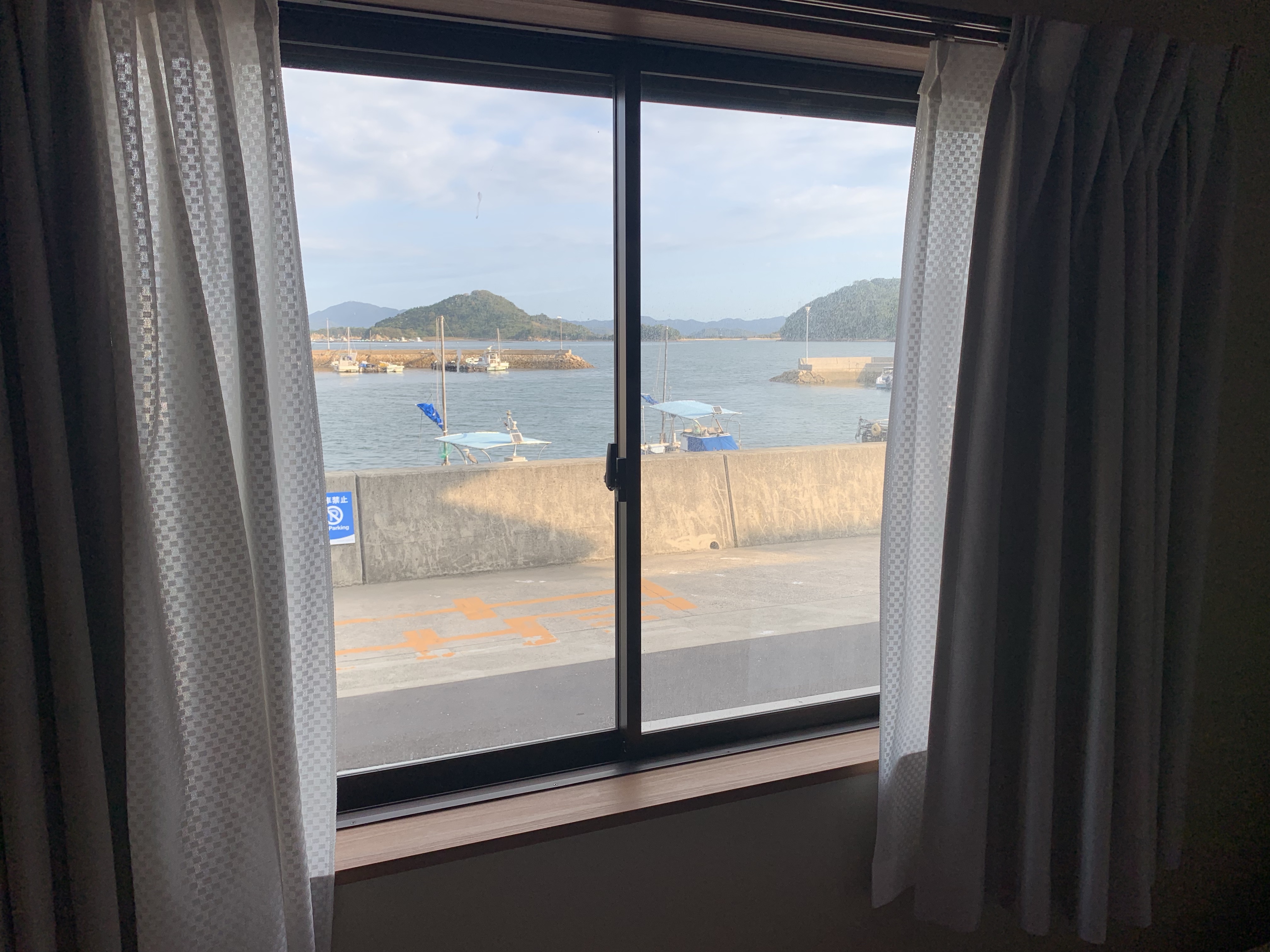
We were lucky with our accommodation on Naoshima, we were not sure what to expect as we basically booked the last available room on the island, but it was large and set right on Honmura harbour.
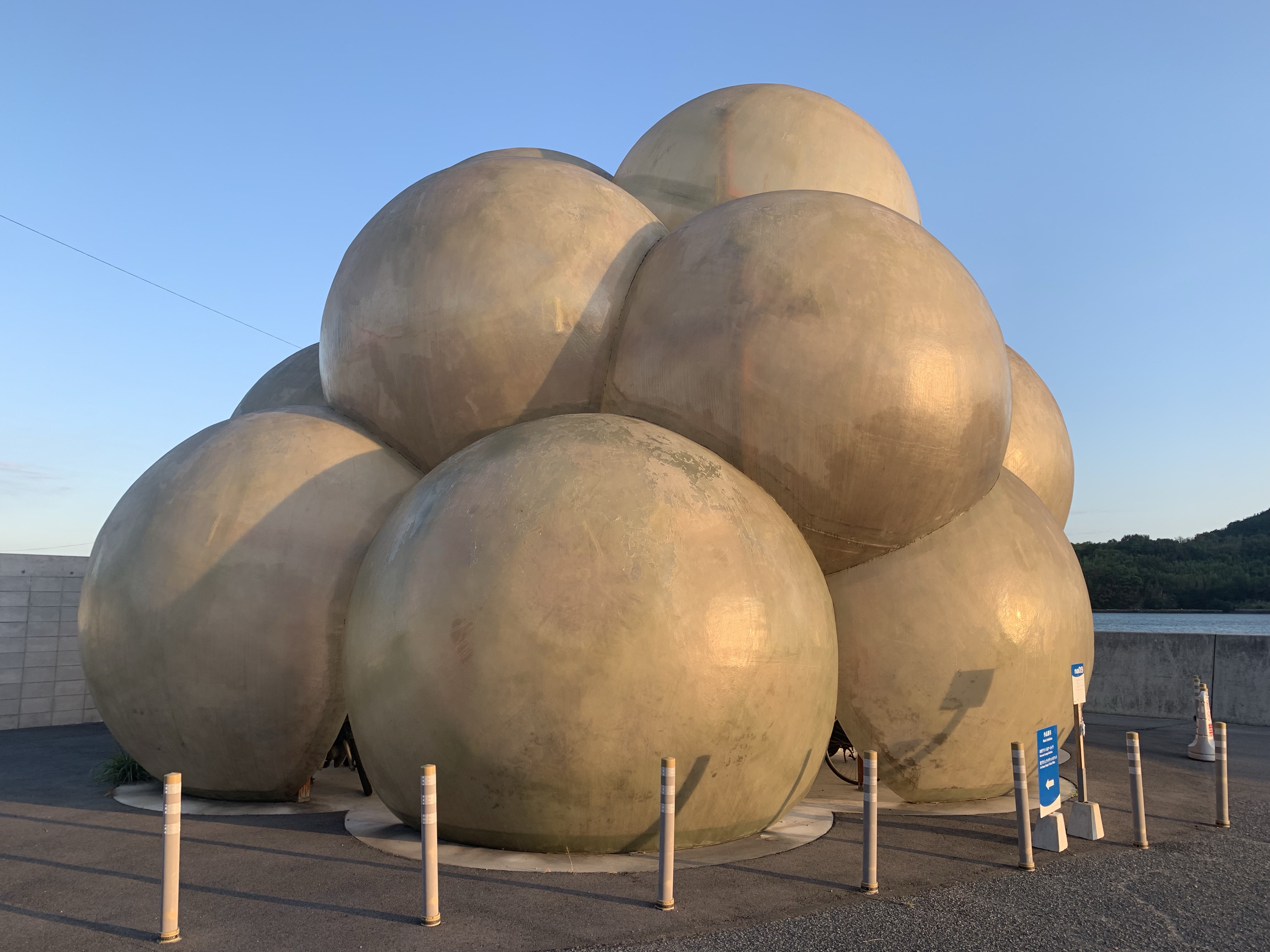
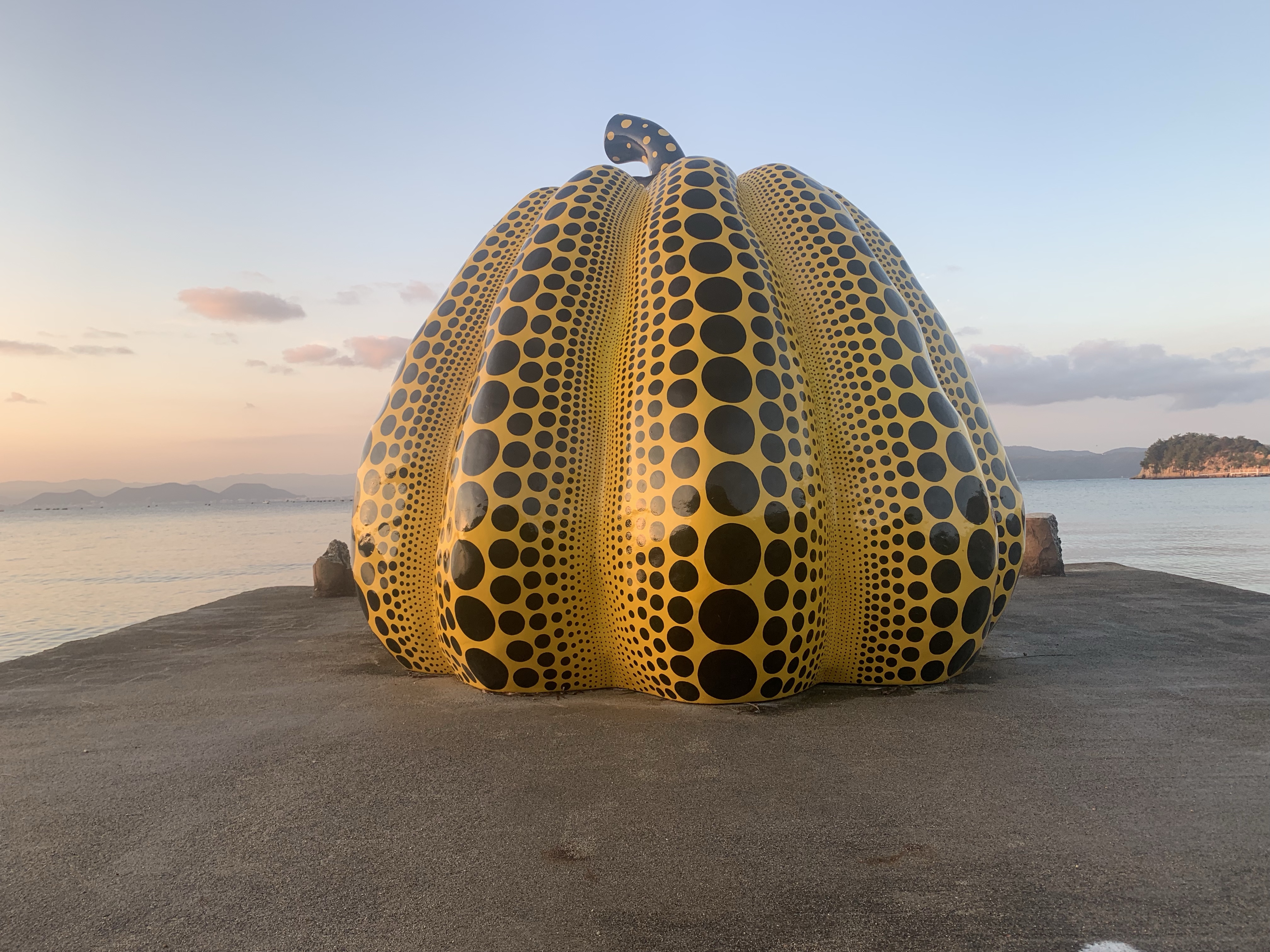
Naoshima is home to the Benesse Art Site, a project collecting contemporary art which began in the 1990s. The Red and Yellow Pumpkins by Yayoi Kusama have become symbols of the island, which has a circumference of 16 km (I know this as we ran round it) and a population of mostly fisherman.
We started our first afternoon at the Ando Museum, an old wooden house that has been transformed by the world-famous architect Tadao Ando by an addition of a concrete shell at its centre, the angles creating rich shadows and unusual perspectives. Ando has been instrumental in designing major spaces across the island. The museum is the first of a series of traditional houses that had been turned into creative installations by artists called The Art House Project.
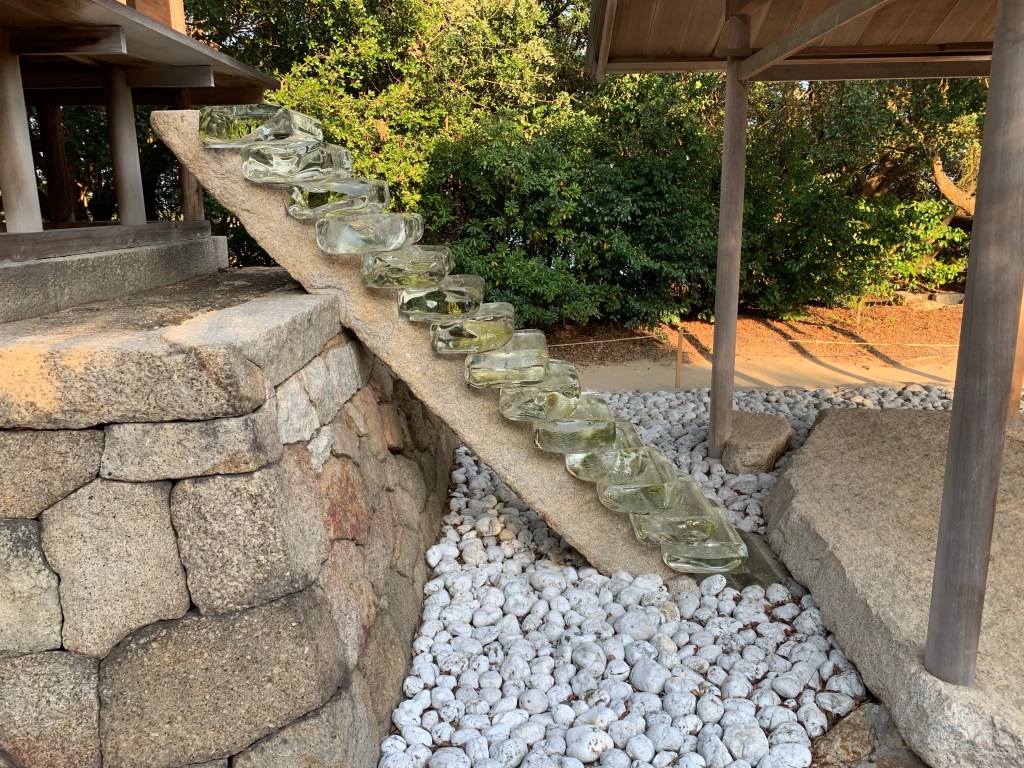
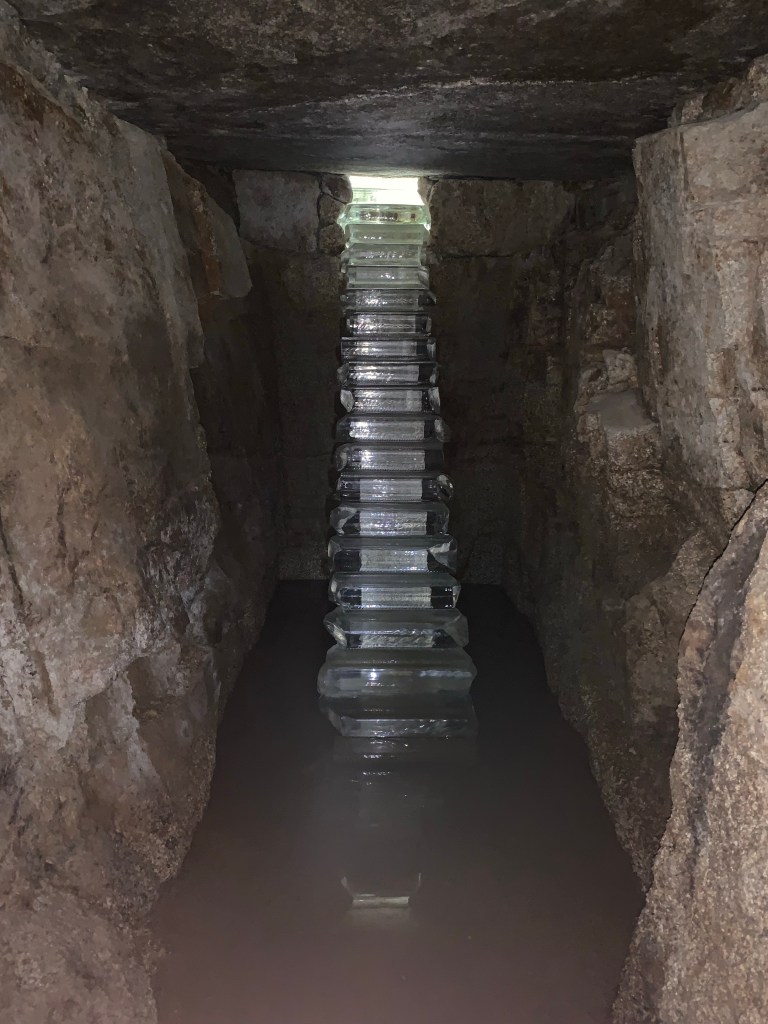
Unfortunately we couldn’t go into James Turrell’s Minamidera as it was fully booked, but we did enjoy Sugimoto Hiroshi’s Go-o Shrine where an underground stone chamber and glass staircase had been added to an existing shrine in the middle of the forest with glimpses of the sea visible through the trees.
We also saw Shinro Ohtake’s ‘Haisha’ (scrap metal, collage and large-scale paintings and sculptures), Tatsuo Miyajima’s ‘Kadoya’ (125 digital LED counters, the pace set by a resident of the island, displayed on water) and Yoshihiro Suda’s ‘Gokaisho’ (ceramic flowers laid on tatami mats).
We raced to catch a bus round to the Benesse House Museum, for beautiful sunset views by Kusama’s yellow pumpkin and from inside the stunning galleries.
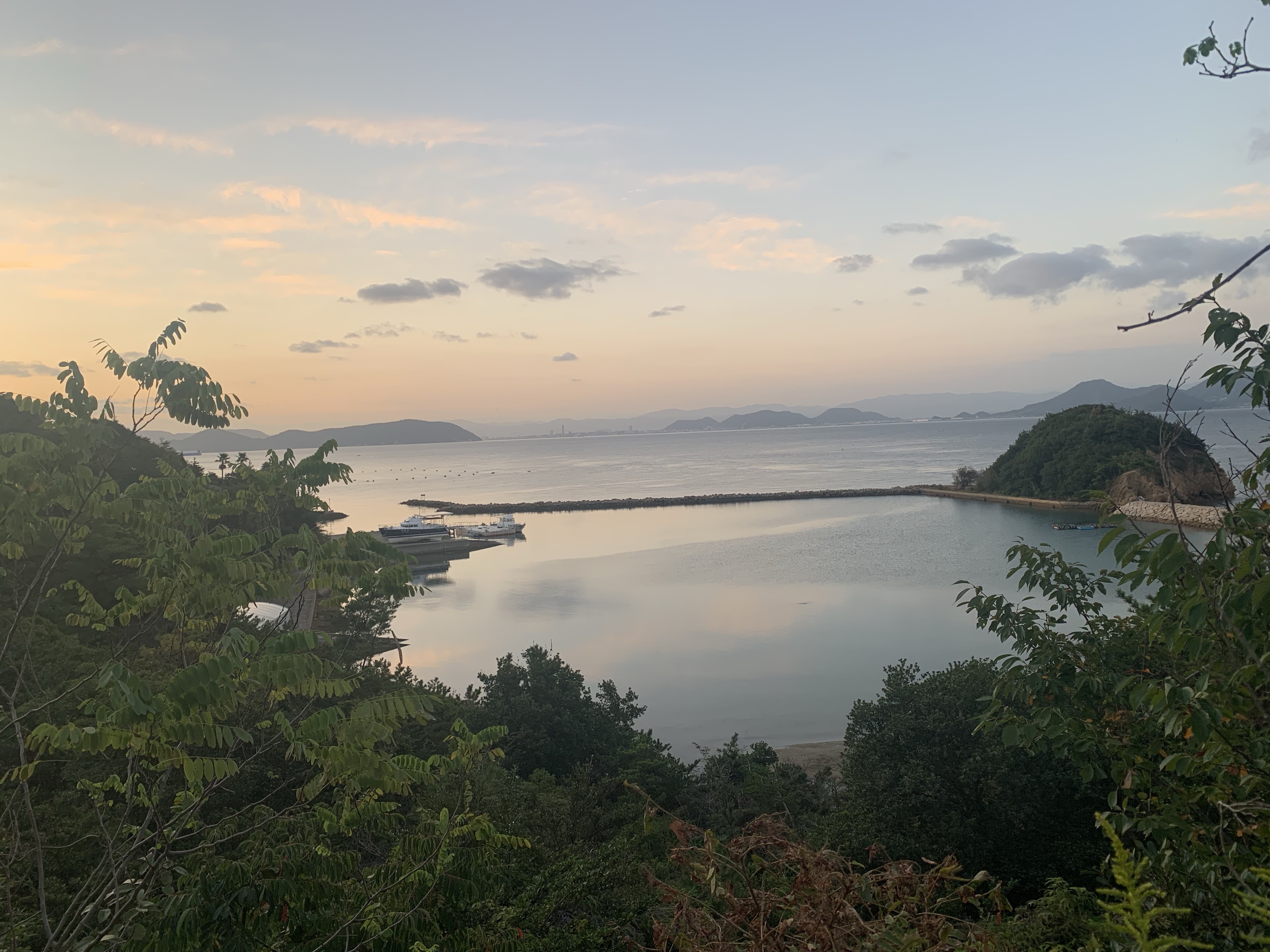
Set on a hilltop, the museum has artworks inside and outside, highlights were Hiroshi Sugimoto’s ‘Time exposed’ photographs which perfectly framed the sunset and paintings by Robert Rauschenberg, Sam Francis, Jean Michael Basquiat and Cy Twombly.
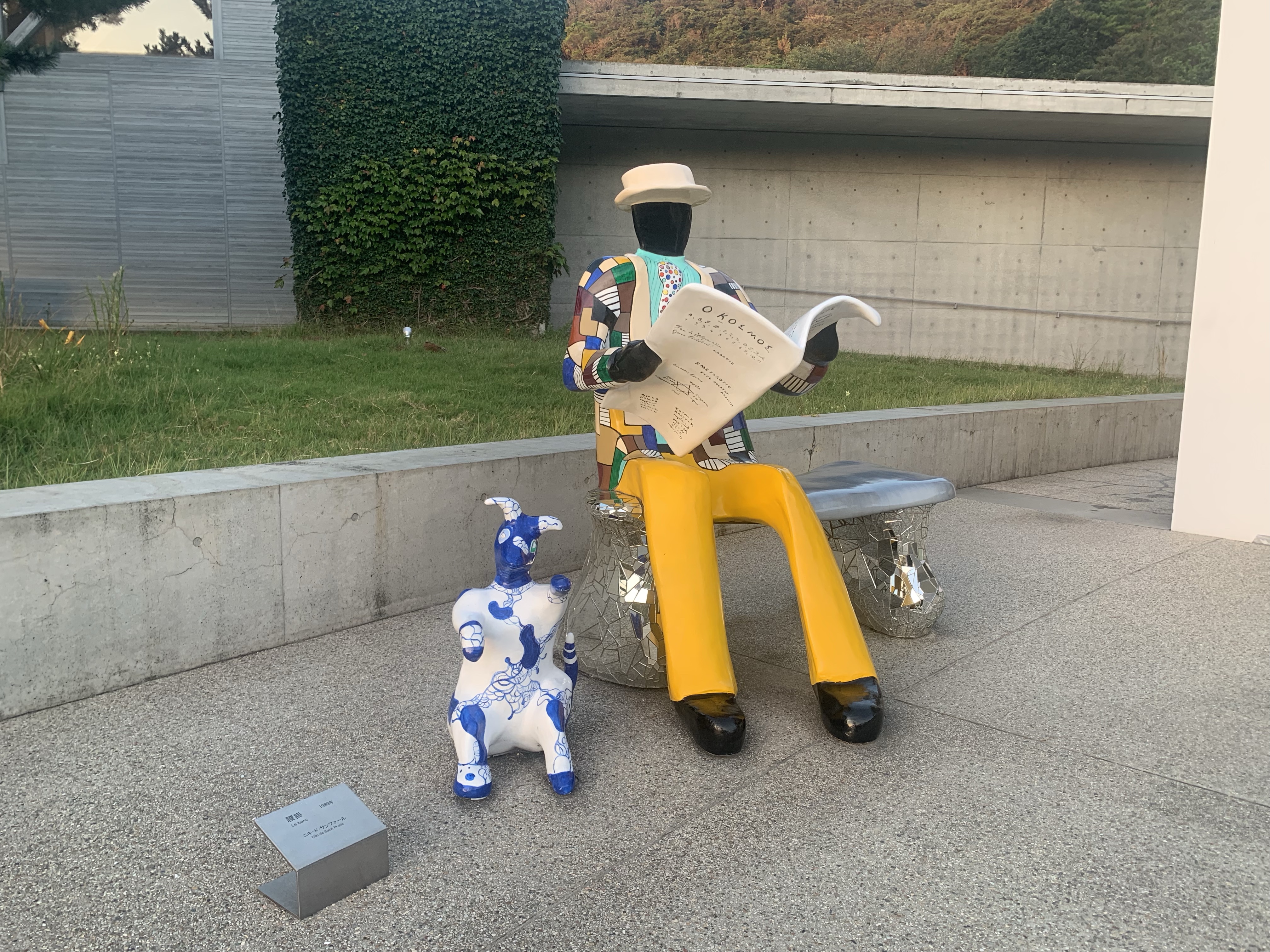
It was also a treat to see works by Jannis Kounellis and Bruce Nauman (100 Live and Die). Cai Guo-Qiang’s ‘Cultural Melting Bath’ project of a group of Chinese Taihu stones which tune energy, Kazuo Katase’s ‘Cup of Tea’ and Niki de Saint Phalle’s colourful ceramic animals were the best of the outside pieces.
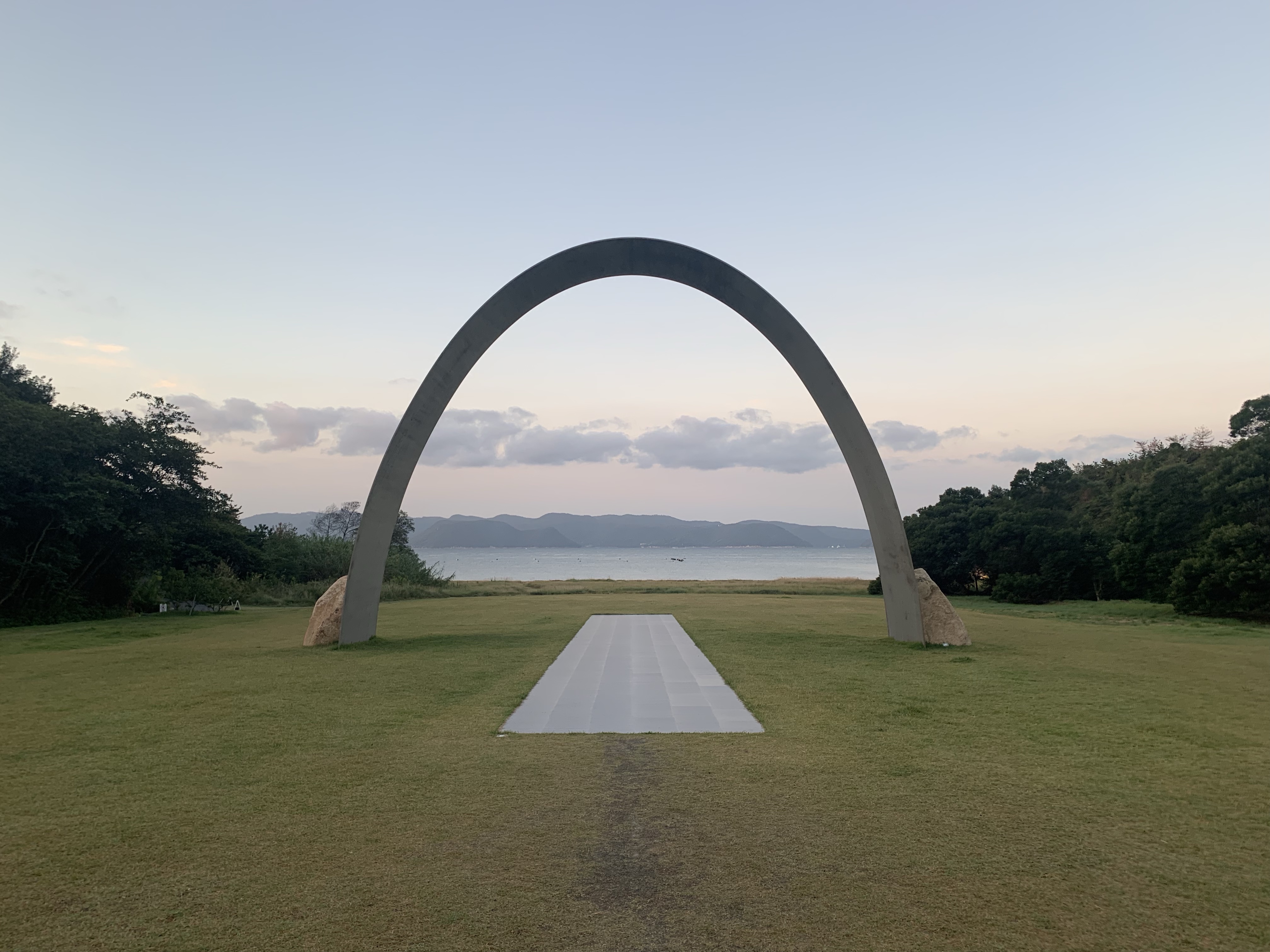
Sadly we hadn’t been organised enough to book tickets for the Chichu Museum and only had time to see the exterior sculptures of the Lee Ufan Museum.
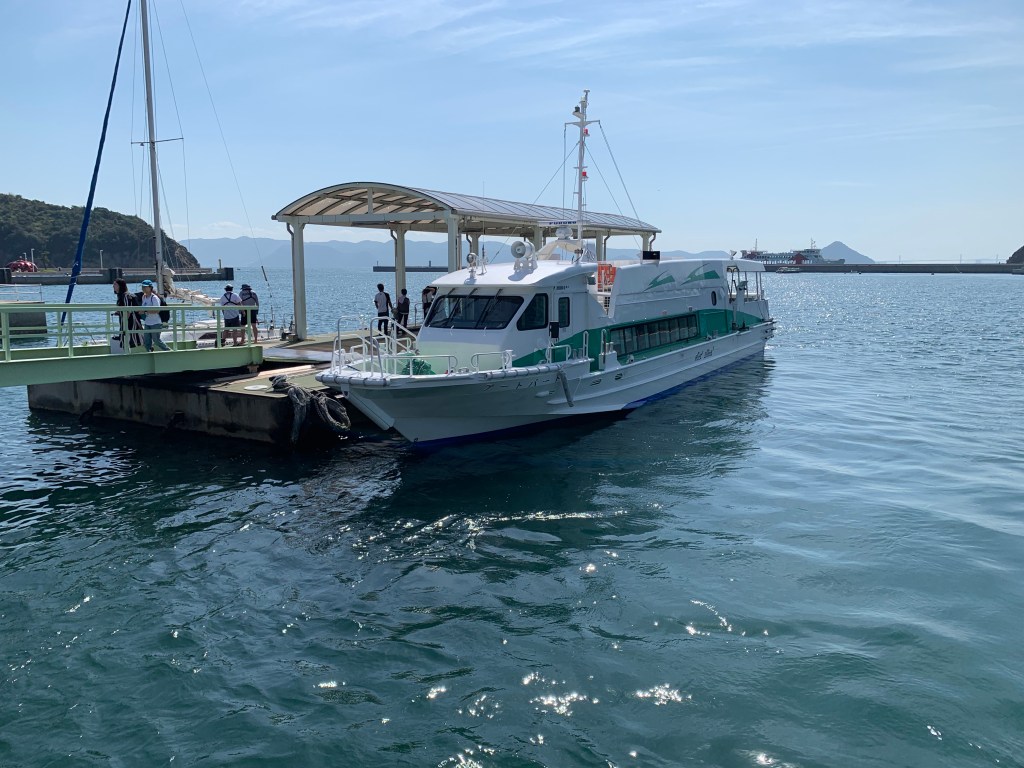
The next day we took the first boat to Teshima island, which in addition to numerous art sites has rolling rice fields and lemon and orange trees growing.
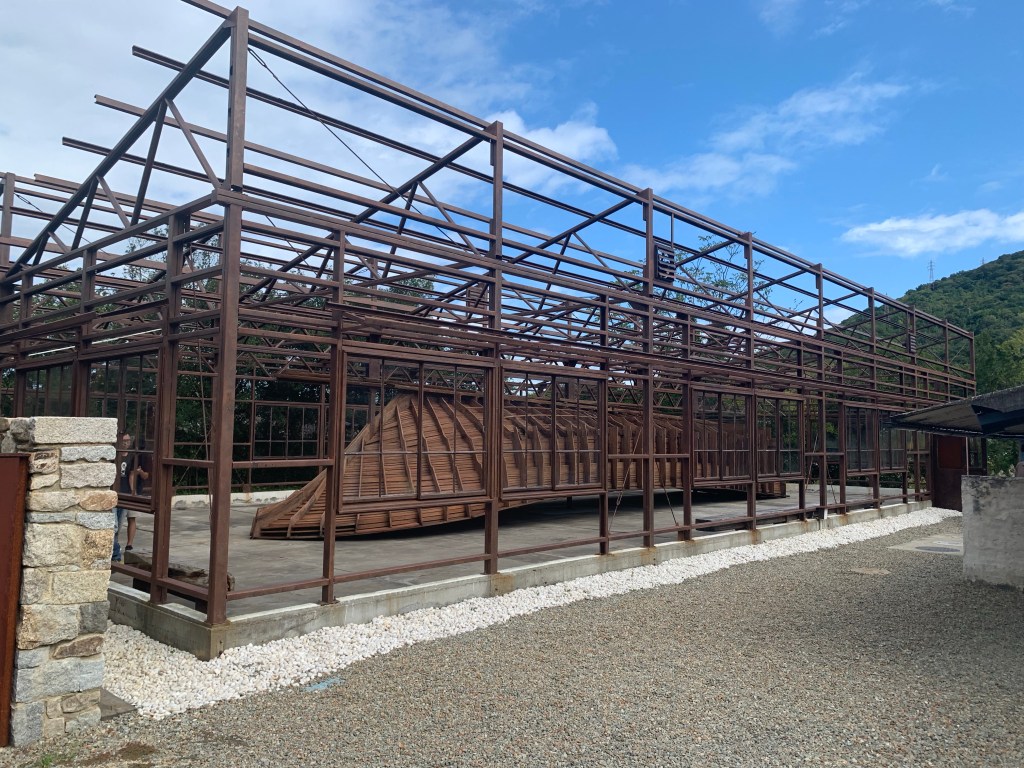
First stop after arriving at Ieura Port was to an abandoned Needle Factory where Shinro Ohtake had chosen to display ‘Bulkhead’, a 17-metre long neglected fishing boat he sourced in Uwajima and brought across to Teshima by barge.
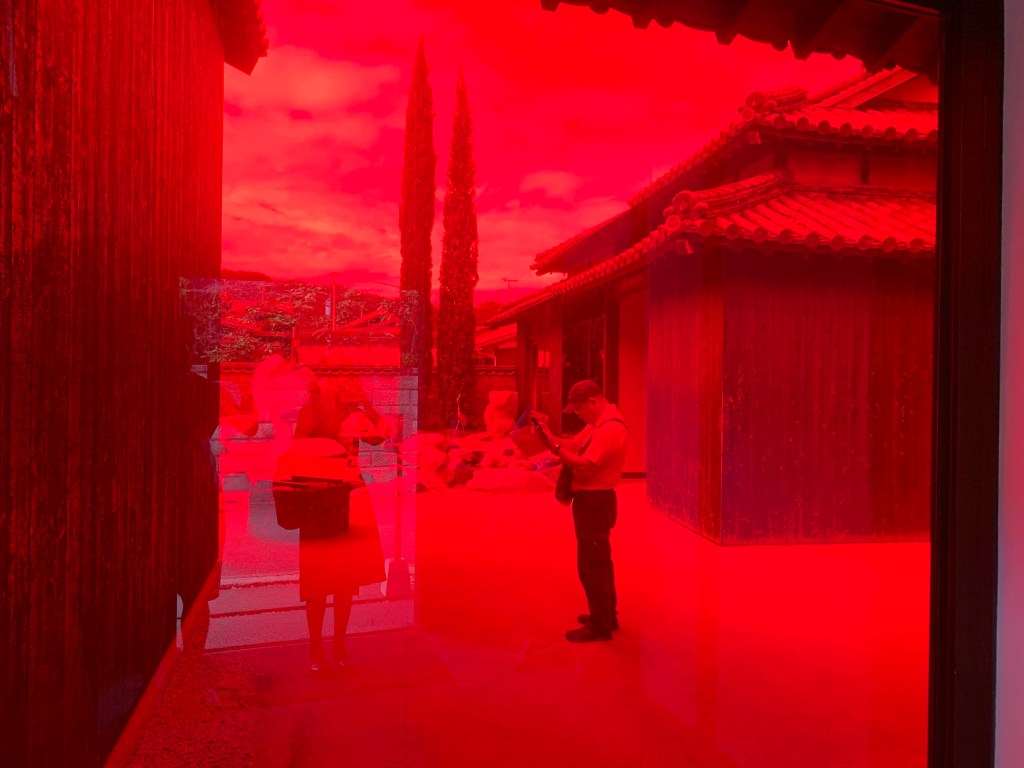
Next was Teshima Yokoo House, another intervention of an old wooden building and possibly the most interesting, with a colourful rock garden, mesmeric tower filled with photocopied pictures of waterfalls from across the world and a mirrored toilet.
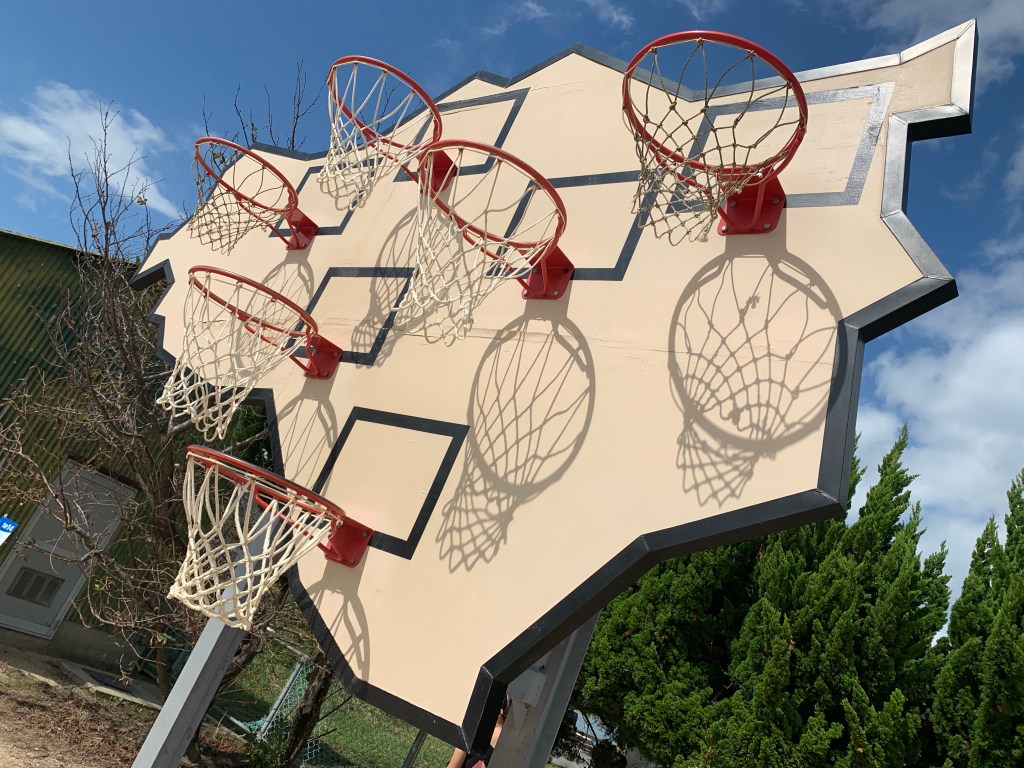
We then walked quite far to reach Anri Sala’s eloquent intervention at the Teshima Seawall house including video and timed kinetic sculptures, then onto Llobet & Pons ‘No one wins’ – a fun, interactive installation with basketball nets and Christian Boltanski’s ‘Les Archives du Coeur’ – a heartbeat archive you can listen and add to.
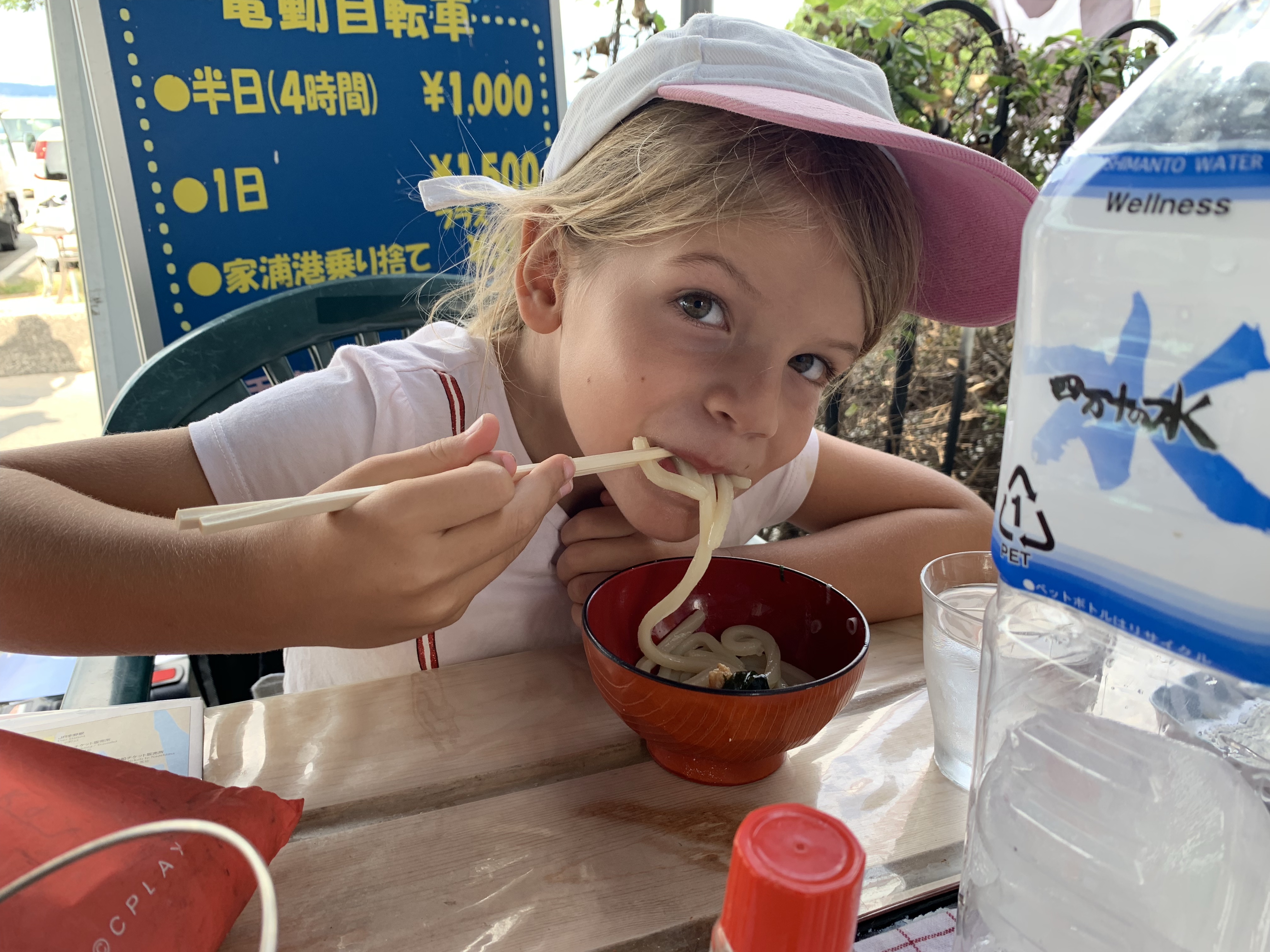
While Tom and the girls stopped for an Udon noodle lunch I raced back to see Pipilotti Rist’s ‘Your First Colour (Solution In My Head-Solution in my Stomach’ (ironic considering I was skipping lunch for art) and Janet Cardiff & George Bures Miller’s collaborative sound piece ‘Storm House’.
Ryo Abe’s Shima Kitchen was the place to eat on Teshima but it was fully booked, I had to make do with an onigiri bought in Circle-K at Tonosho Port on Shodoshima which didn’t have any decent projects.
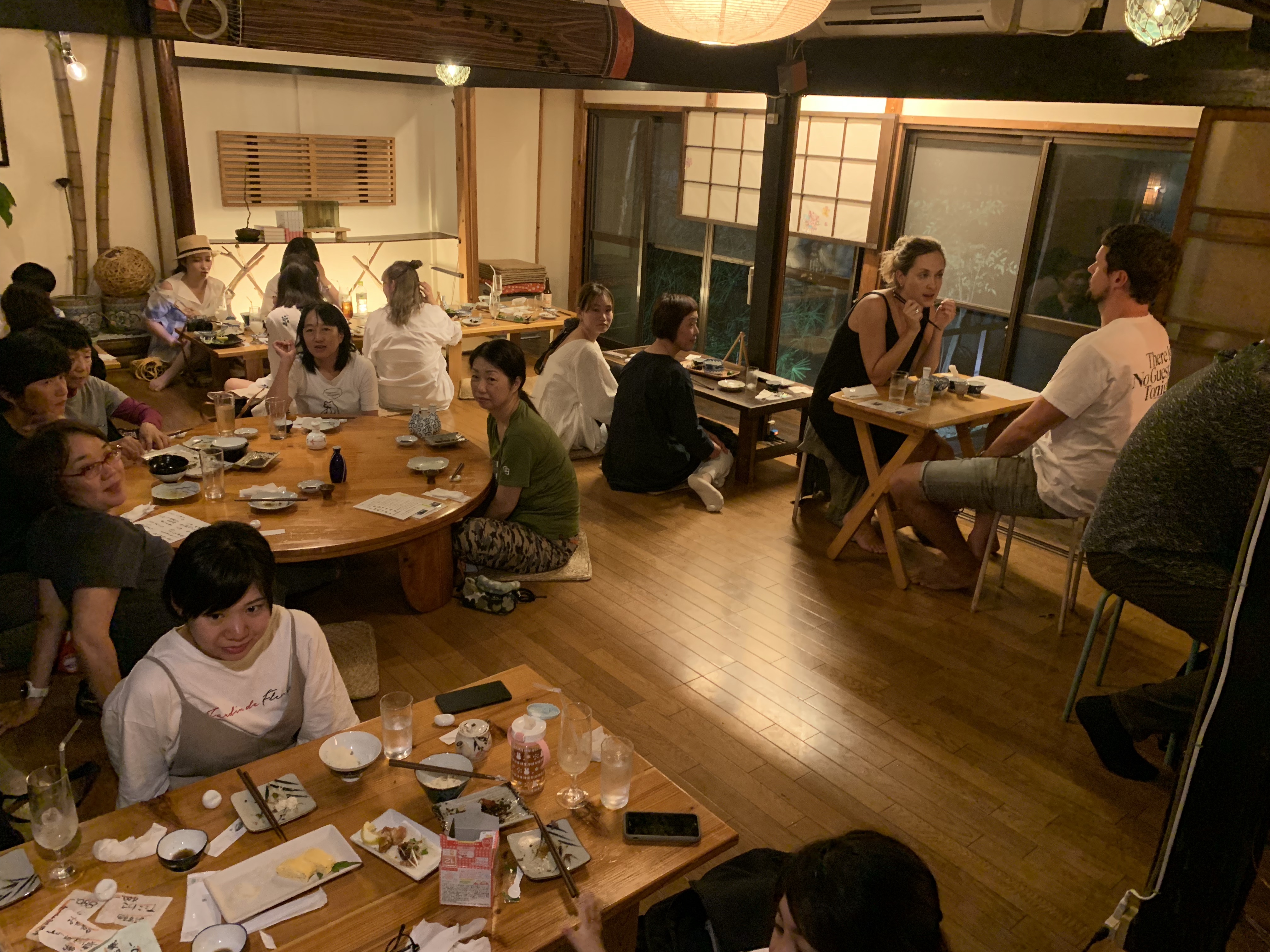
We ate very well on Naoshima, most places geared up to the Triennale crowds with teishoku (set-menus) the best option. You had to get in early to get a table. We had lunch the first day at Apron café and dinners at Naoshima Gohan Ebisukamo and Kaisen Cusine Yayoda.
It was completely impossible to get more than a general impression in the three days we had. You would need three weeks to get around everything given the distances and boat times.
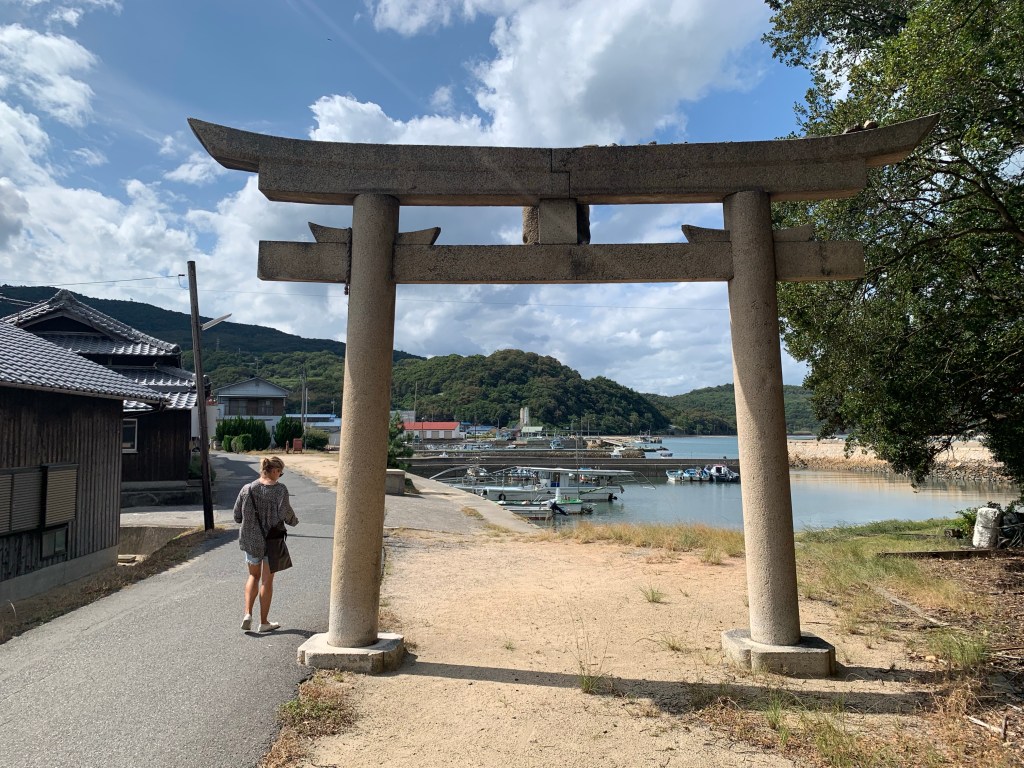
We managed to get to three islands but the third (Shodoshima) was a mistake, as we didn’t have time to travel to the places on the island where the art was and still make the last ferry back to Naoshima. Visiting the area out of the Triennale period could perhaps be preferable, as there is plenty to see that is on permanent display.
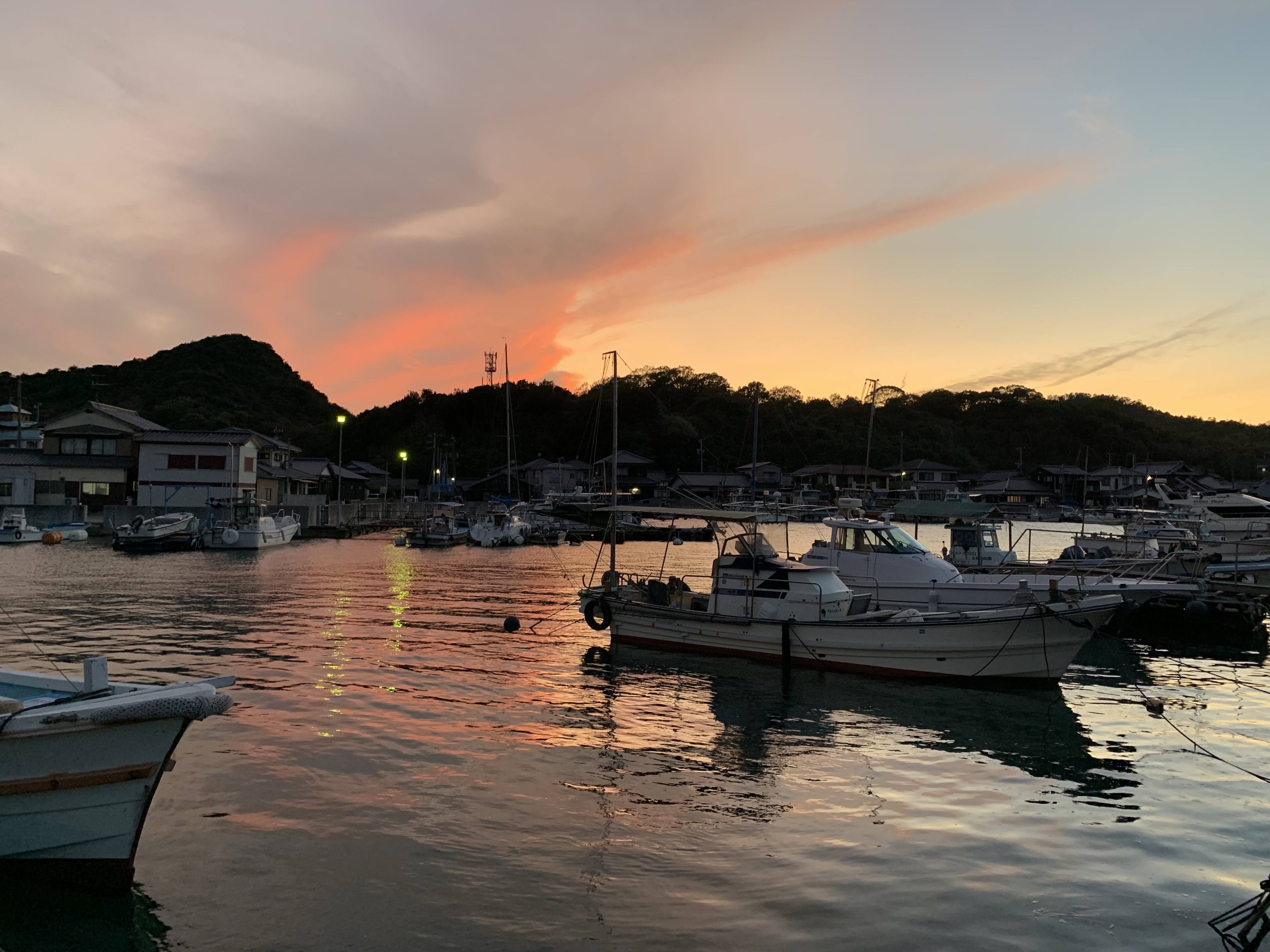
It is a perfect destination for art lovers or indeed anyone who shares our key requirements for a destination: interesting art, good food, beautiful nature and the odd place to play.
 Life with MoJo
Only you would miss lunch for art!
LikeLiked by 1 person