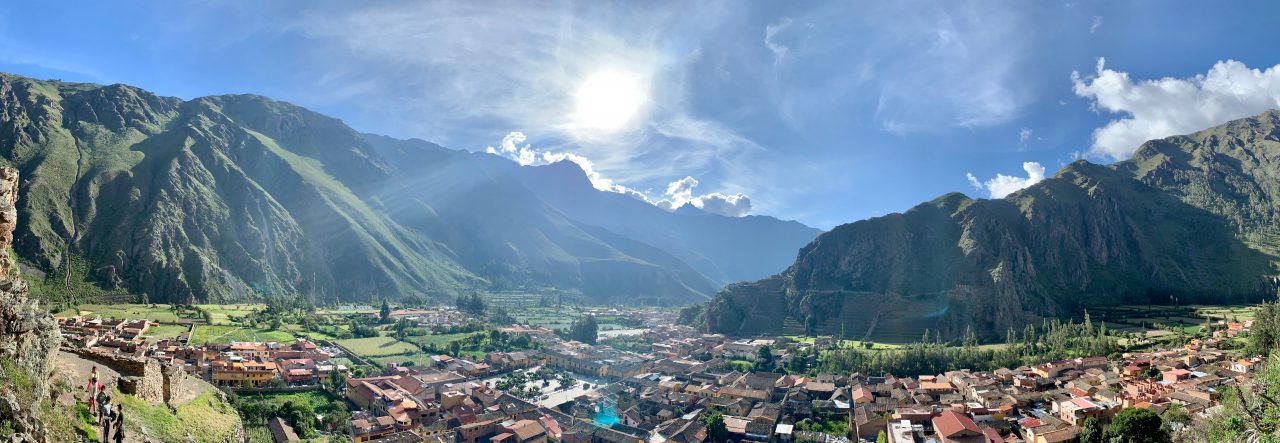

We like to vary the types of places we stay, so after our modern loft apartment in Busan and hotel in Jeju it was time for something different in the Korean capital – Yian House, a traditional hanok. Virtually impossible to find due to a complicated numbering system (we had neighbours and local shop owners all trying to help us!), when we eventually did it was novel to be in a traditional home. Greeted first by a rocky courtyard garden, then sliding doors which led to a series of low-ceilinged rooms. We did miss having tables and chairs at a height we are used to and unfortunately, a host of mosquitoes also liked the place, so each night was a battleground and we were inevitably always defeated! Also Tom could only stand upright in one room but apart from all these niggles, we did like the place.
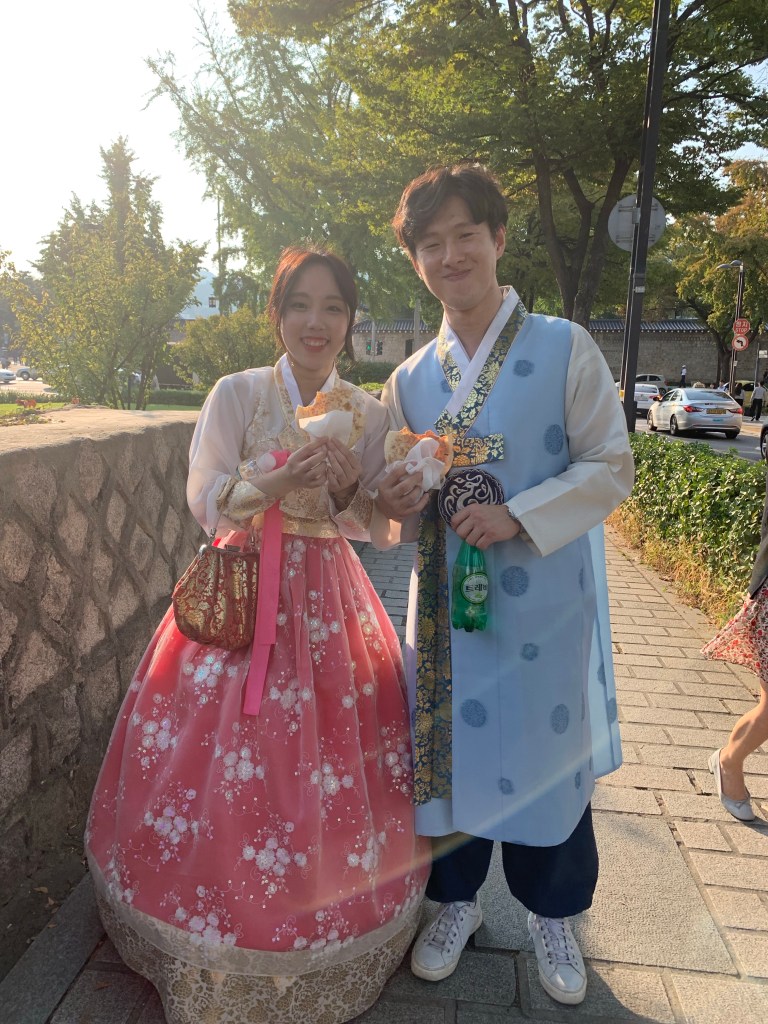
It was in a great location close to Gyeongbokgung Palace, we could walk everywhere. Because we were staying in such a lovely neighbourhood, we didn’t visit the spots on most tourist itineraries such as Bukchon Hanok Village or hire traditional clothes to walk around in as so many people seemed to do.
Nor did we visit Gangnam to see the shrine to Psy, although we did catch (and quite enjoyed!) some K-pop.
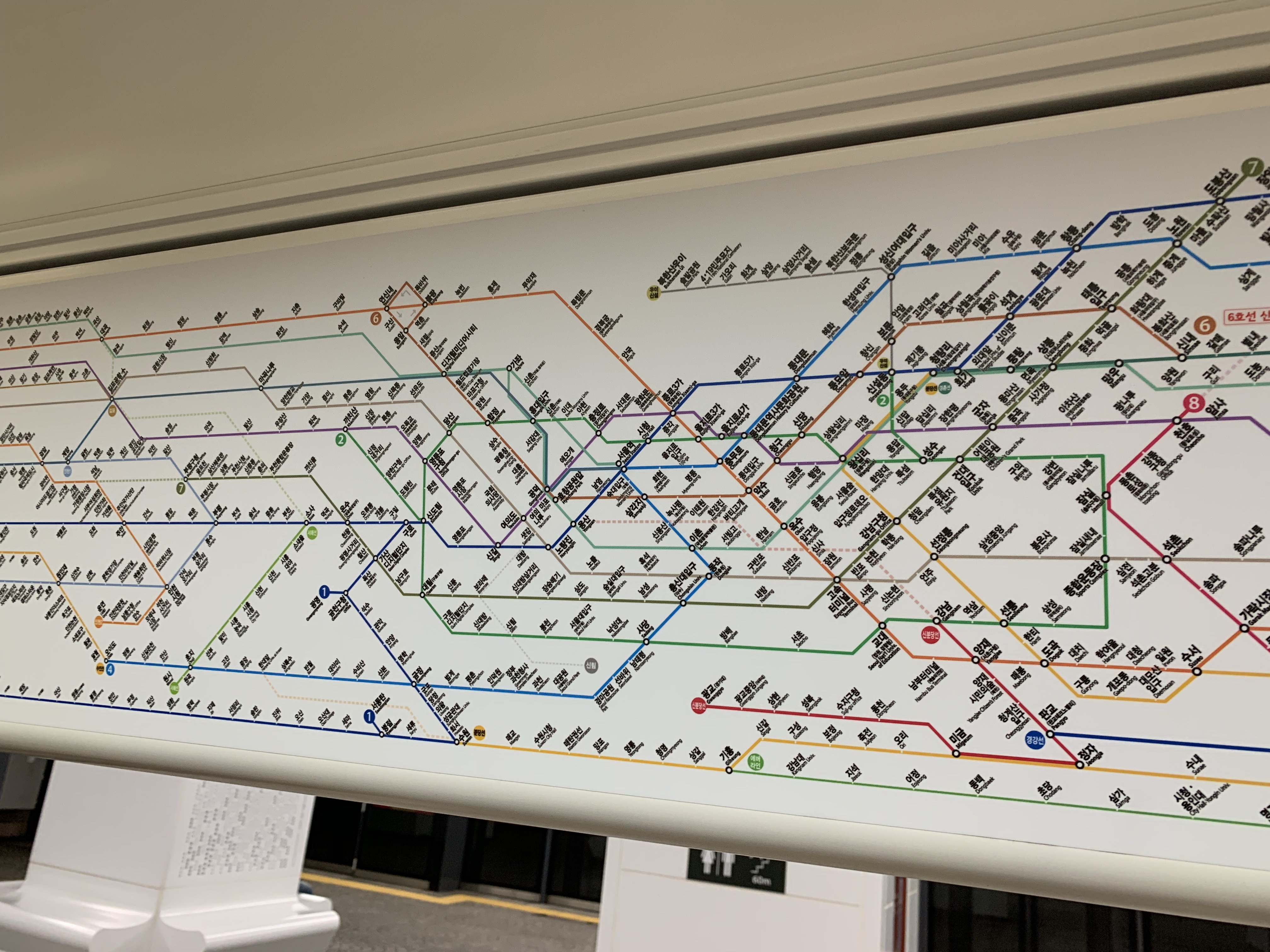
If we turned one way, we had a street with art galleries and trendy restaurants, the other with more practical shops, cheaper food options and transport links, where a bus to the airport was easy to catch both ways. The metro was pretty hard to navigate, with over 400 stations!
We weren’t far from the fun-sounding Tonkin market where you get a shopping basket and walk round traditional stalls like you would a supermarket (sadly closed the day we tried to go).
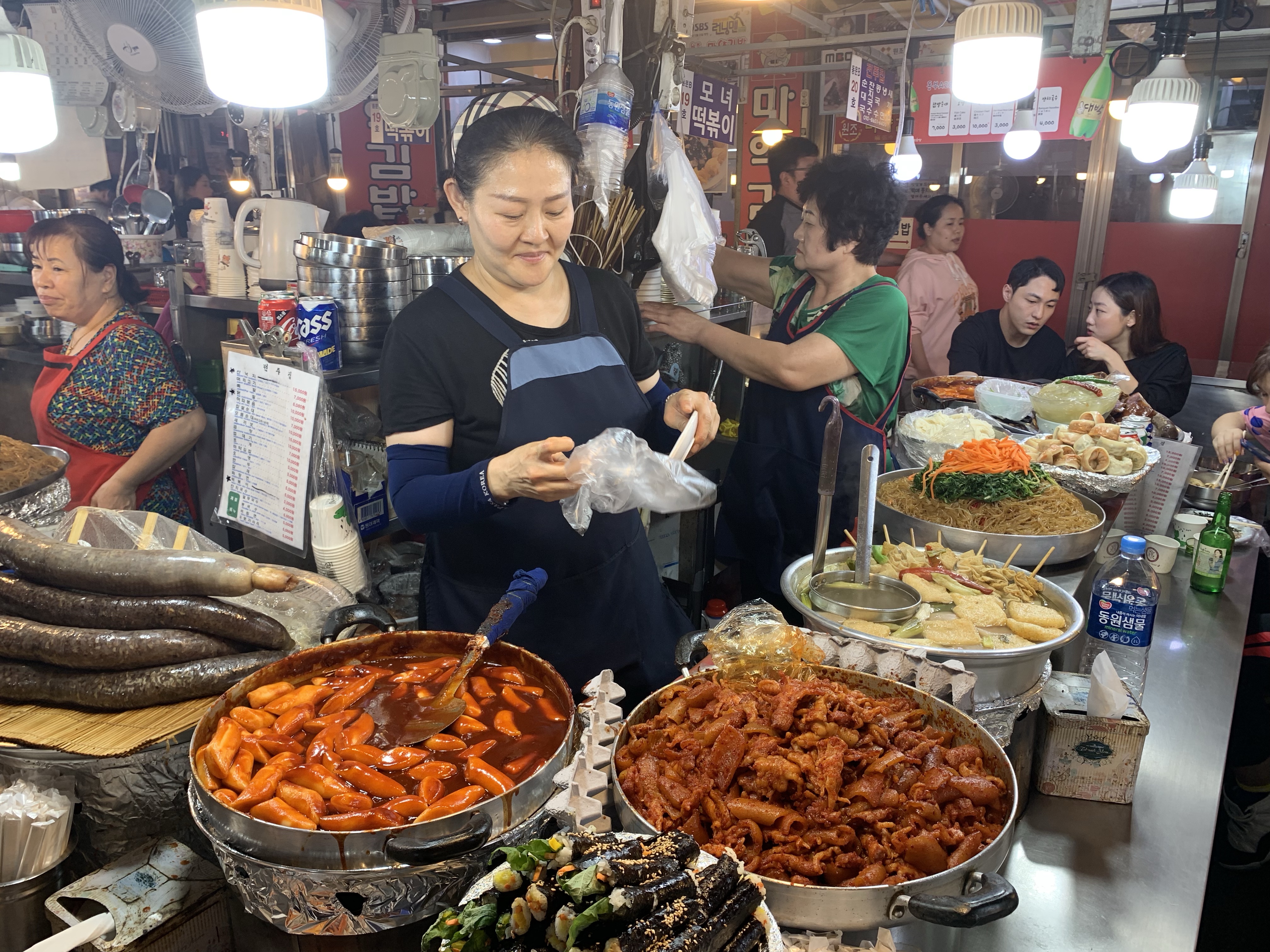
An evening trip to Gwangjang Market was worth the walk, the gimbap (basically uncut maki sushi rolls with seaweed on the outside) and bindatteok (crispy fried pancakes made of mung beans and veggies) far better than the chicken foot that I wish we hadn’t tried! We also enjoyed the topokki, (rice fingers in a tangy spicy sauce).
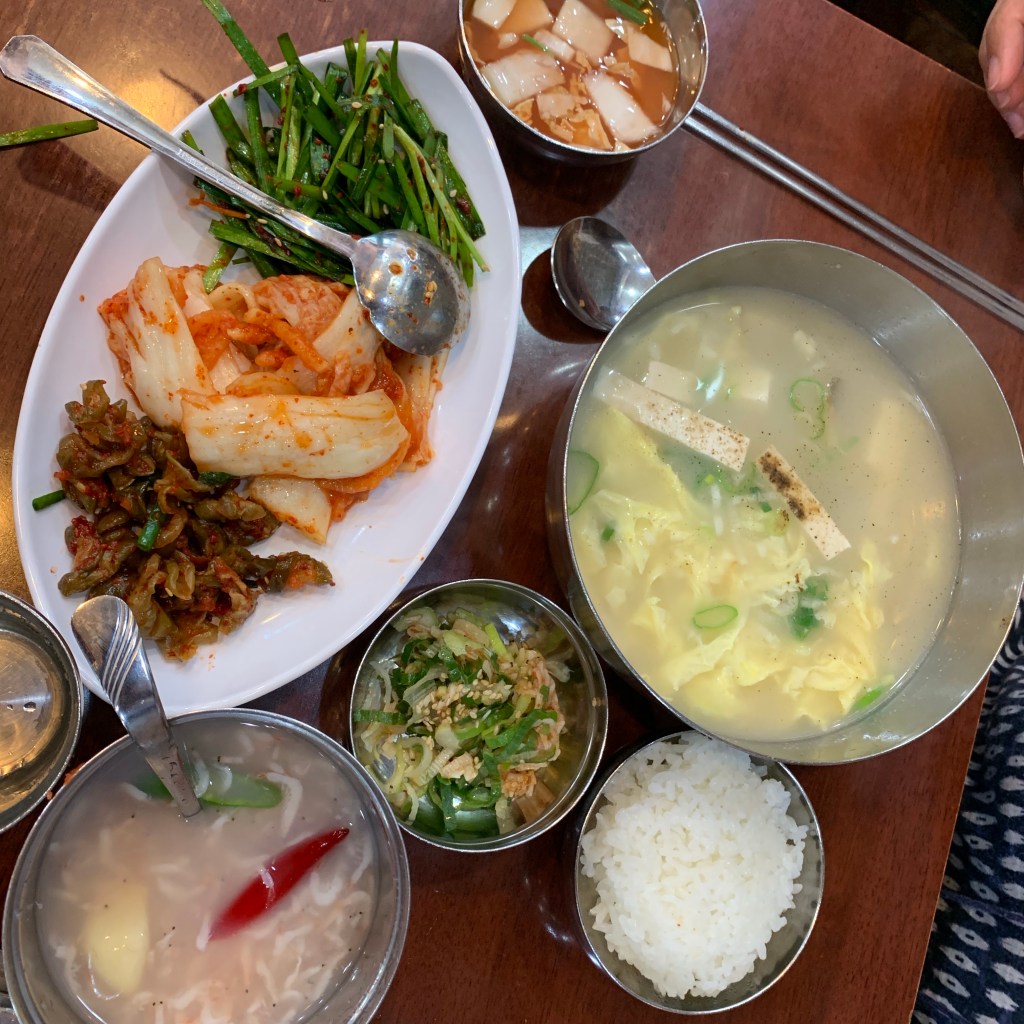
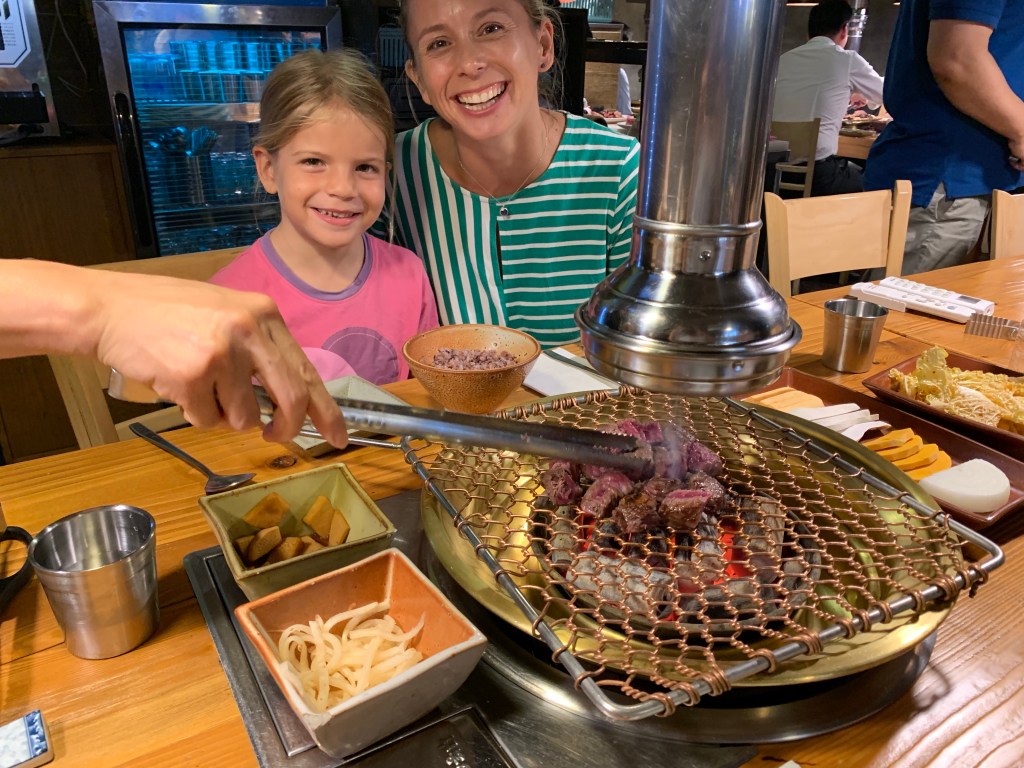
Other foodie highlights were a lunch of beef belogi, a lunch at Bugeokukjib in Mugyodong which has been serving the same dish of mackerel and tofu soup since 1968 and an expensive final night dinner of Korean barbecue.
We found lovely little places to eat in Itewon (a bar called A Flat which had a stage and musical performers downstairs, we sat on the roof terrace so only discovered it later) and in Insa-dong (an outdoor teahouse with a water wheel that fascinated Joanna).

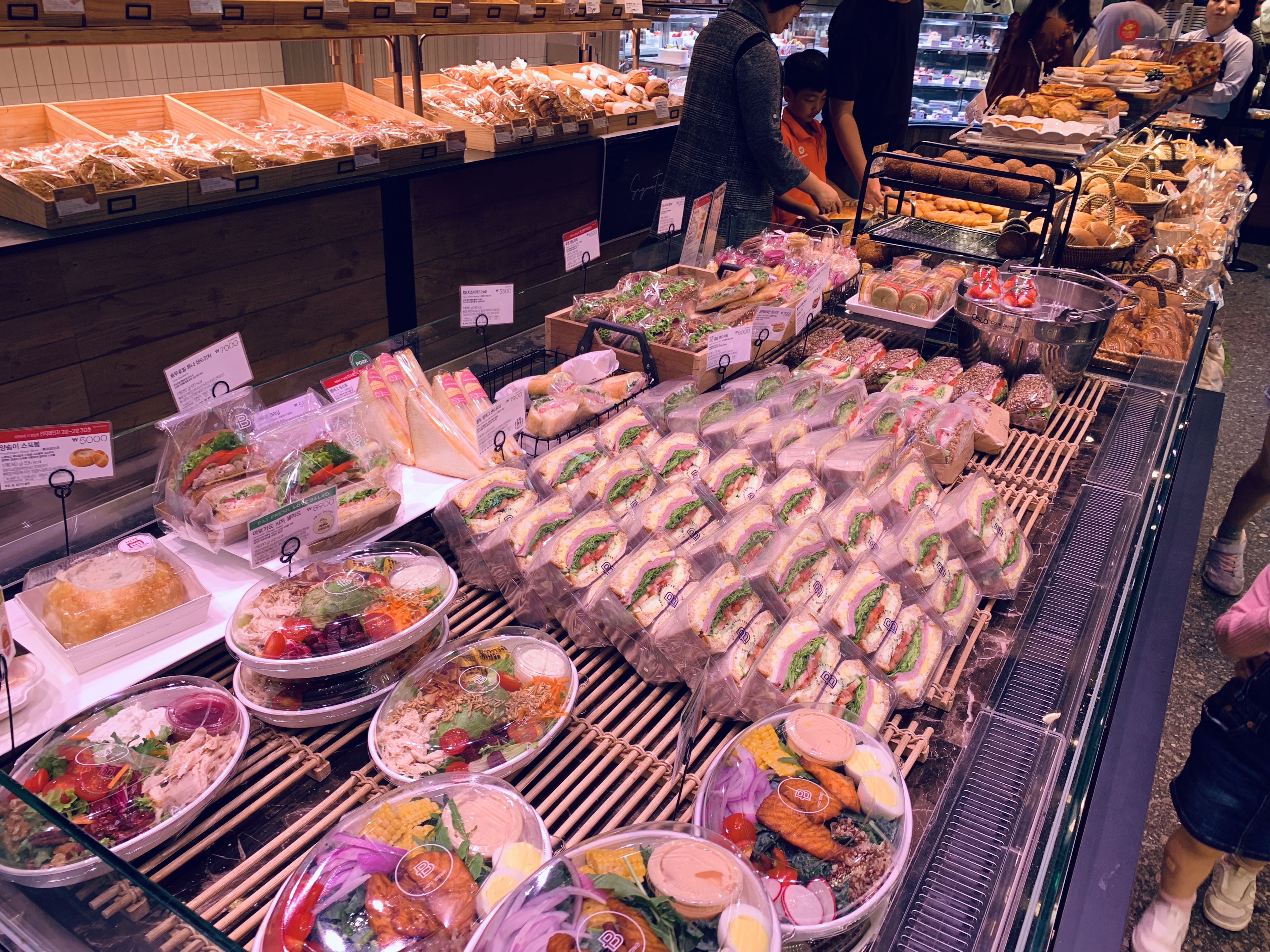
We had good food at Analog kitchen for dinner one night as well and an explore of the warren of underground restaurants under the business district. Probably our one non-Korean meal was a snack at Paris Baguette, a chain we had first visited in Hanoi and one we are surprised hasn’t caught on more widely across the globe given its many treats (sadly not celiac friendly apart from some salads).
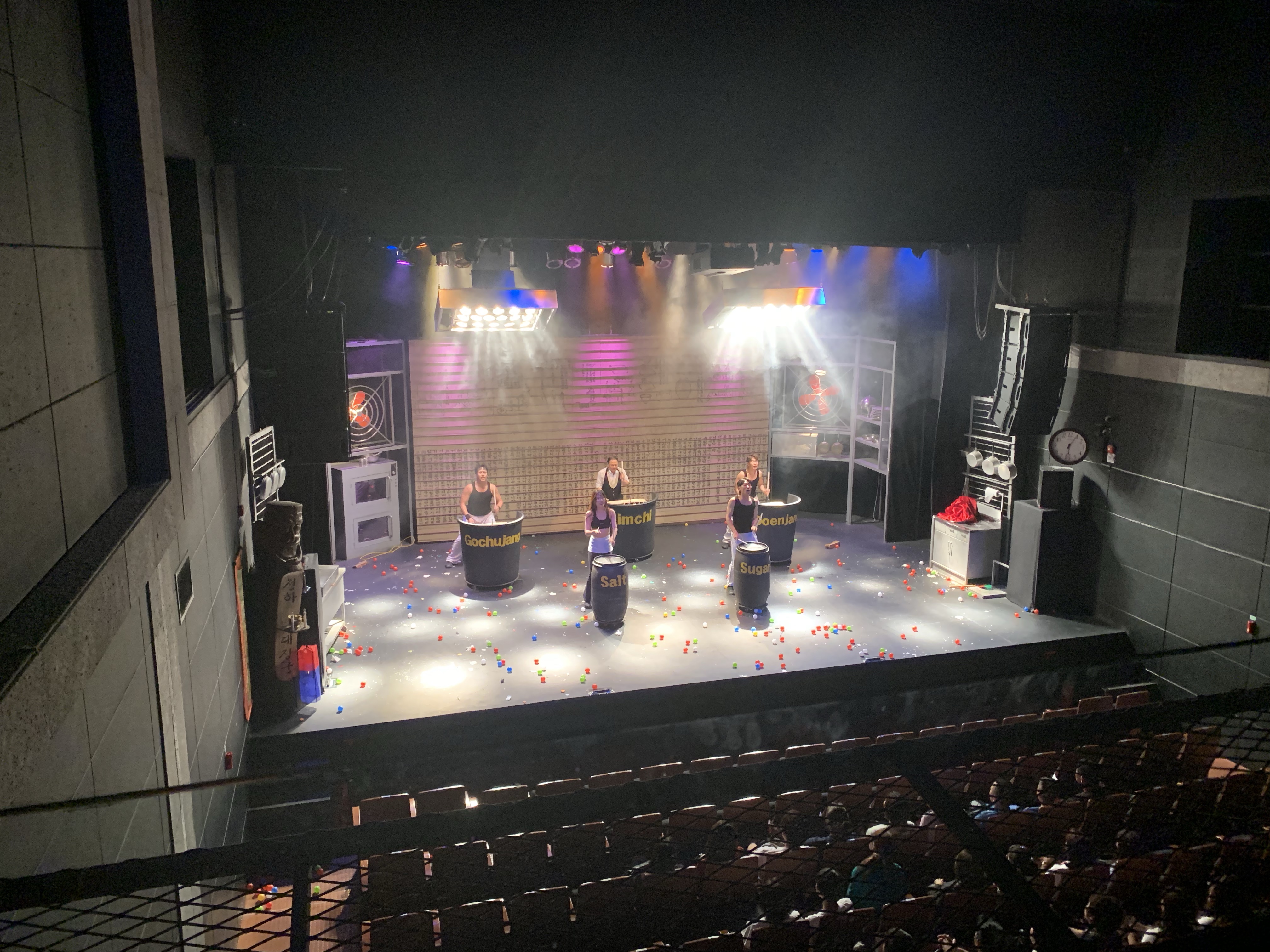
All this talk of food made us excited for a performance of the world famous Nanta! Where actors become chefs, entertaining purely through sounds and actions. A rhythmic show sounding out beats using kitchen equipment, with the token trainee chef the butt of most of the jokes. It was a great light hearted Sunday afternoon treat, mojo loved every minute!
Afterwards we queued for a while to go up the cable car to Namsan Park, one of Seoul’s four guardian mountains, home to the iconic N Seoul Tower.
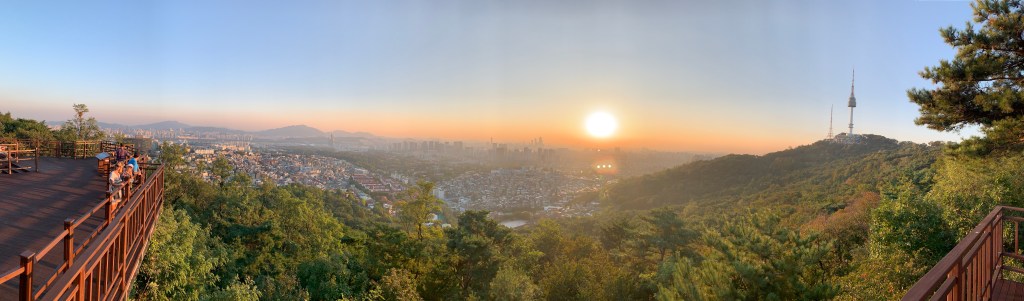
It was worth it though, for the fun street performers at the top and a beautiful walk down watching the sunset.
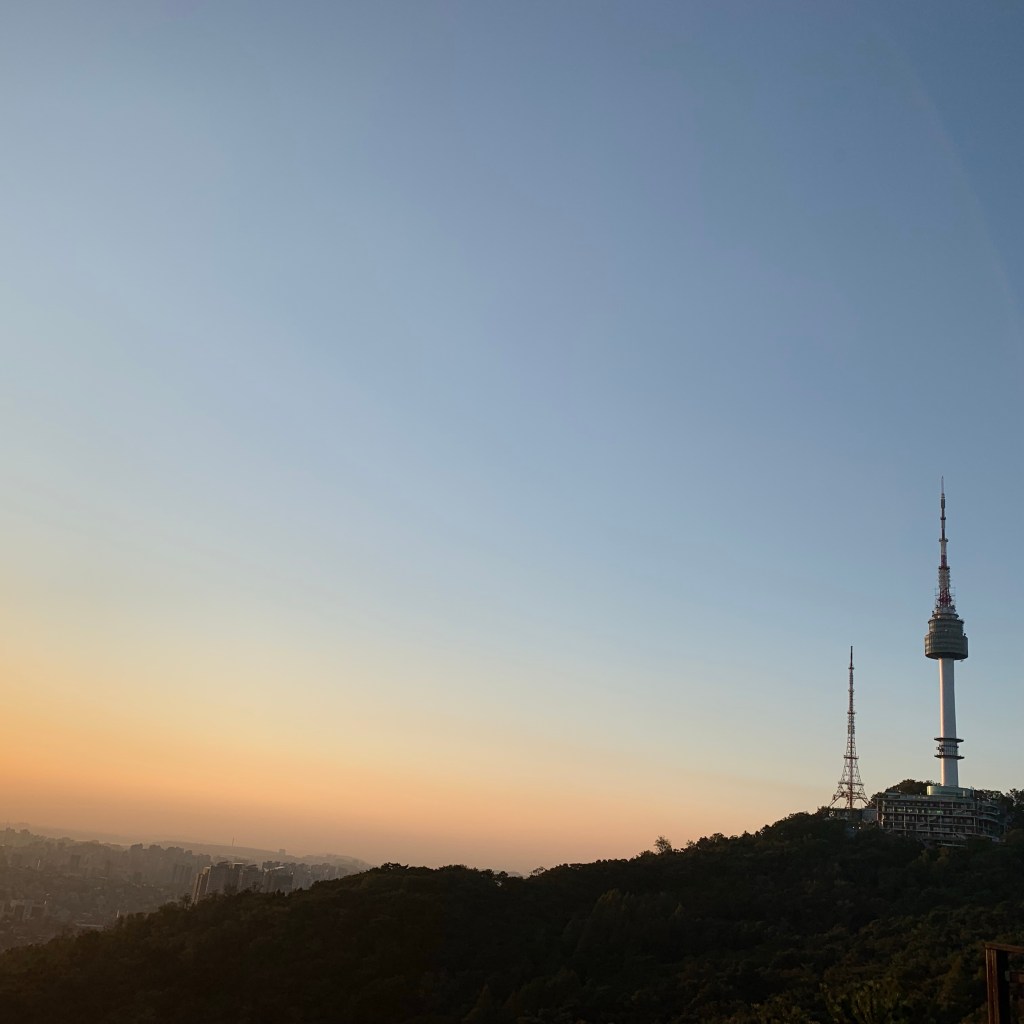
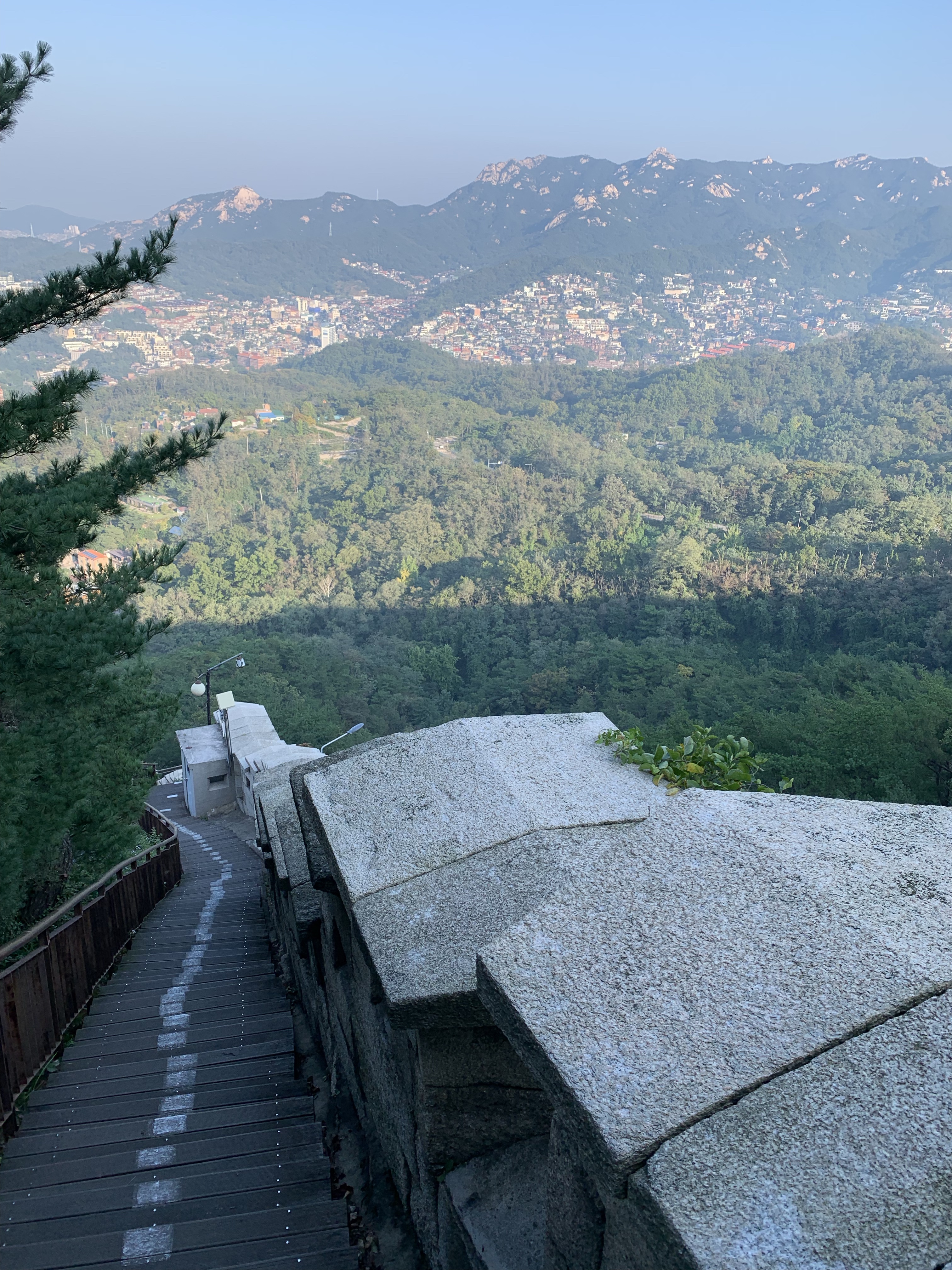
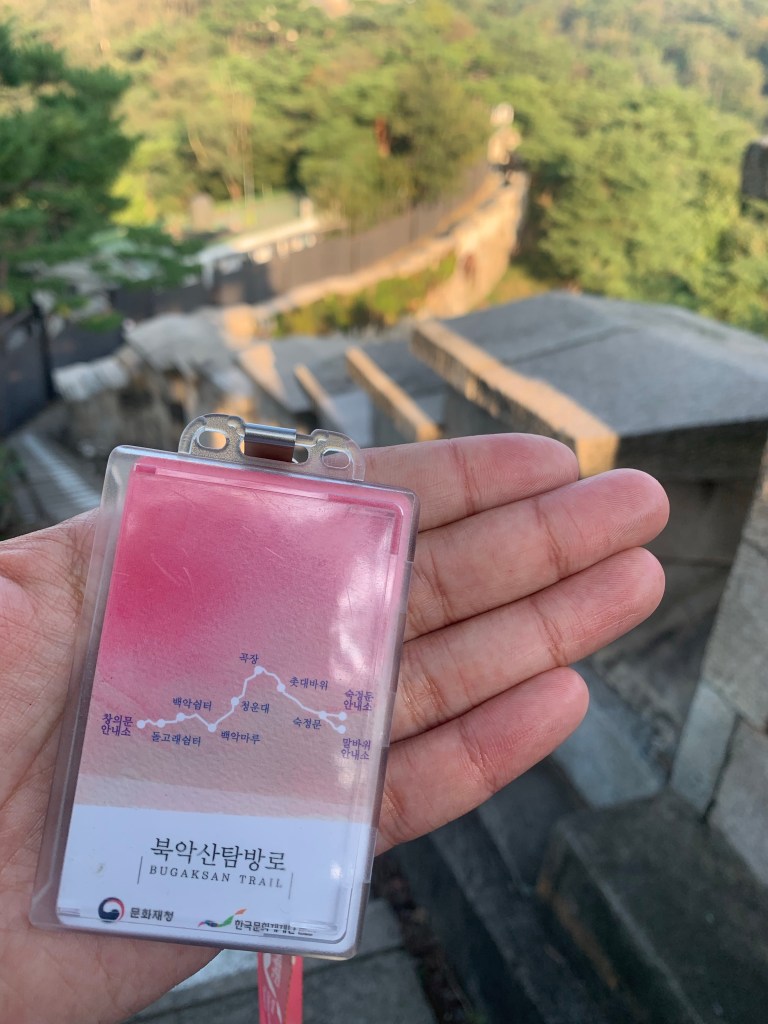
Seoul’s city wall is a dream of a run, or series of runs – given its tremendous ups and downs for 28.6km across four mountains that protect the city.
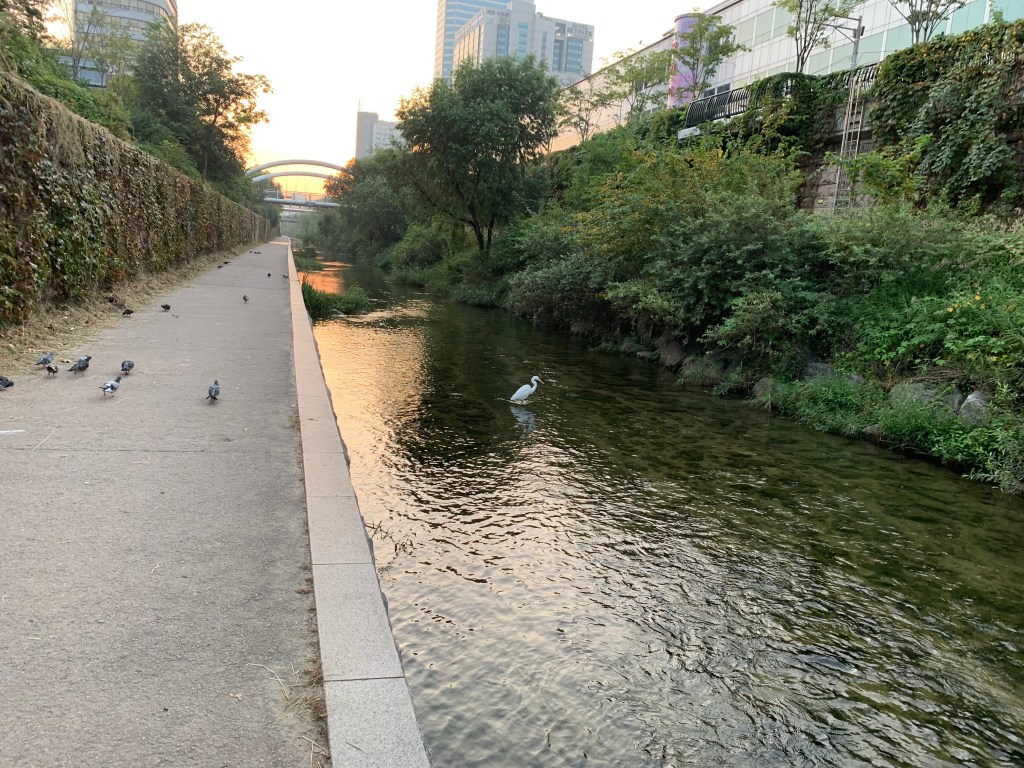
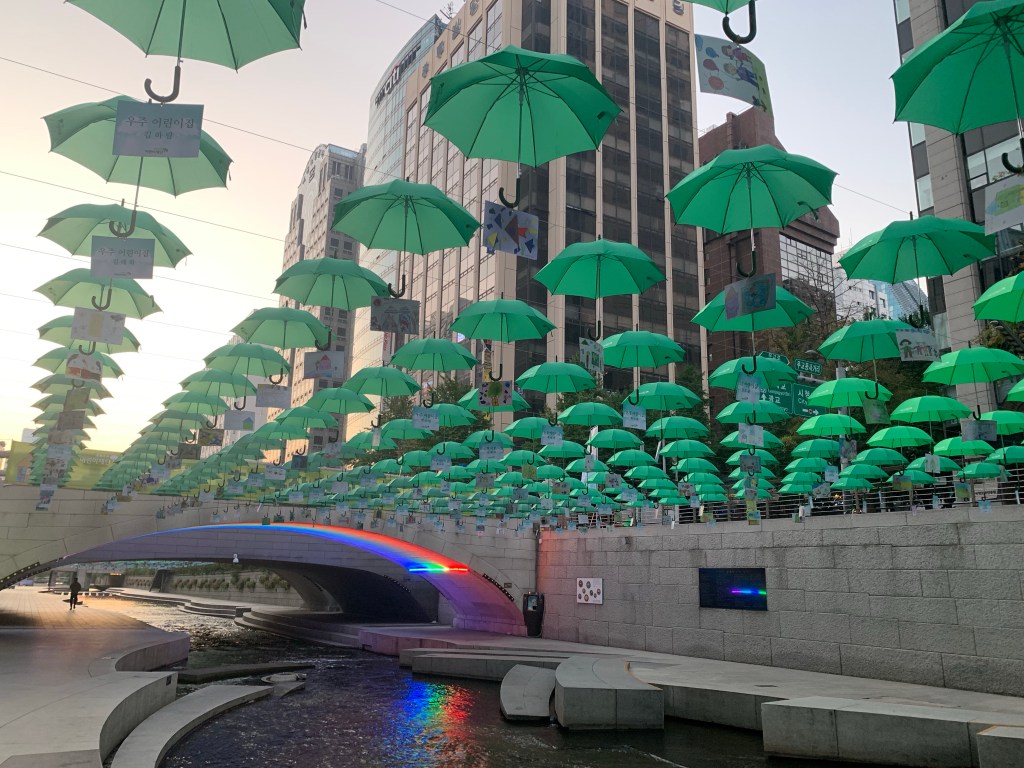
We did a few, enjoying running along Cheonggyecheon stream then joining the city wall at Hanyangdoseong, following it up to the mural village at Ihwa-dong. We also made it round the Bugaksan trail, 342m high.
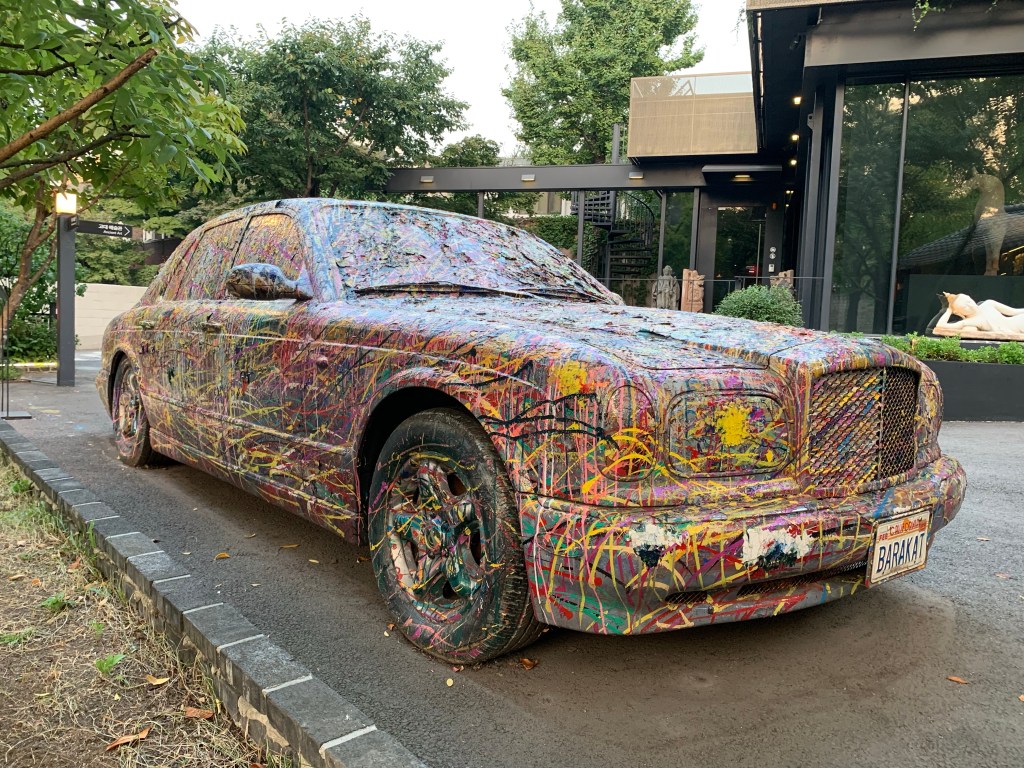
I did manage to get my art fix in too – KIAF Art Seoul was on while we were in town and galleries had strong shows up. A favourite was Liza Lou ‘The river and the raft’ at Lehmann Maupin, showcasing stunning installations with glass beads. Zaha Hadid’s incredible complex the Dongdaemun Design Plaza was hosting Collective City, the Seoul Biennale of Architecture and Urbanism as well. It was a busy time in the city!

I enjoyed visiting Aario Museum in Space (no under 12s allowed so I did it solo!), an early 1970s building, formerly home to Korean businessman and contemporary art collector Kam Chang-il. Lots of work by YBAs such as Damian Hirst, Tracey Emin and Sarah Lucas, but also representative of conceptual art movements across Asia, from India to the Philippines. His taste was provocative works, more focused on the human form than politics and also in unusual use of materials, remodelling and appropriating objects such as Marc Quinn’s ‘self’ (a cast of the artist’s head filled with his own blood). I was a bit surprised to find a cut out from a Korean magazine with my photo in it, giving a talk about Art Dubai!
We spent an afternoon at the Museum of Modern Art (MMCA Seoul) visiting two excellent, contrasting exhibitions: ‘Soungui Kim: Lazy Clouds’ and ‘The Square: Art and Society in Korea 1900-2019’. The first was a celebration of the way the artist had lived her life – always experimenting, travelling, thinking outside the box but never fully separated from her Korean heritage.
The second was a group exhibition to commemorate the 50th anniversary of the museum, which has three branches, the main one we visited is located in the former Defense Security Command compound. In concept it explored the public square – a space vital for public life, where individuals can gather, voice their opinions and become a community.

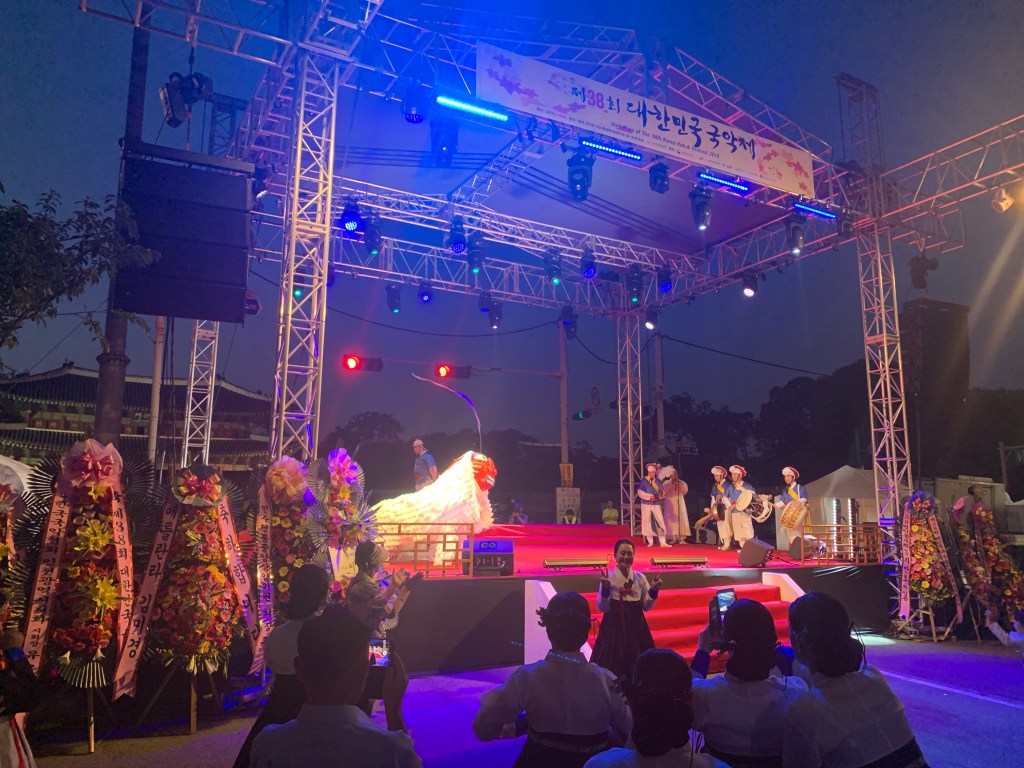
We were struck by how active the public squares in Seoul were, for music performances and festivals, but we did also come across several marches and demonstrations. Politics is never far from people’s lives.
Perhaps this was why we decided to take a tour of the Demilitarised Zone (DMZ) and get as close as we could to North Korea. It was certainly a different experience for us all. It is of course still very much a reality, not just a part of history. It was helpful that we had an informed and yet quite light-hearted tour guide, Jung. She took us on quite a fast-paced tour, we didn’t have much time to stop in each place, but all in all it was long enough.
We started at Imjingak Park, a spot which receives five million visitors a year, as it is a place South Koreans can go to feel close to any relatives and friends in North Korea. It is intended as a place of hope for reconciliation in the future but holds a lot of reminders of the troubled past, such as a steam train which had been derailed in the Korean war. There is also a bell tower, the bridge of freedom, memorials and a rather eloquent stones of peace wall which brought together stones from walls across the world.
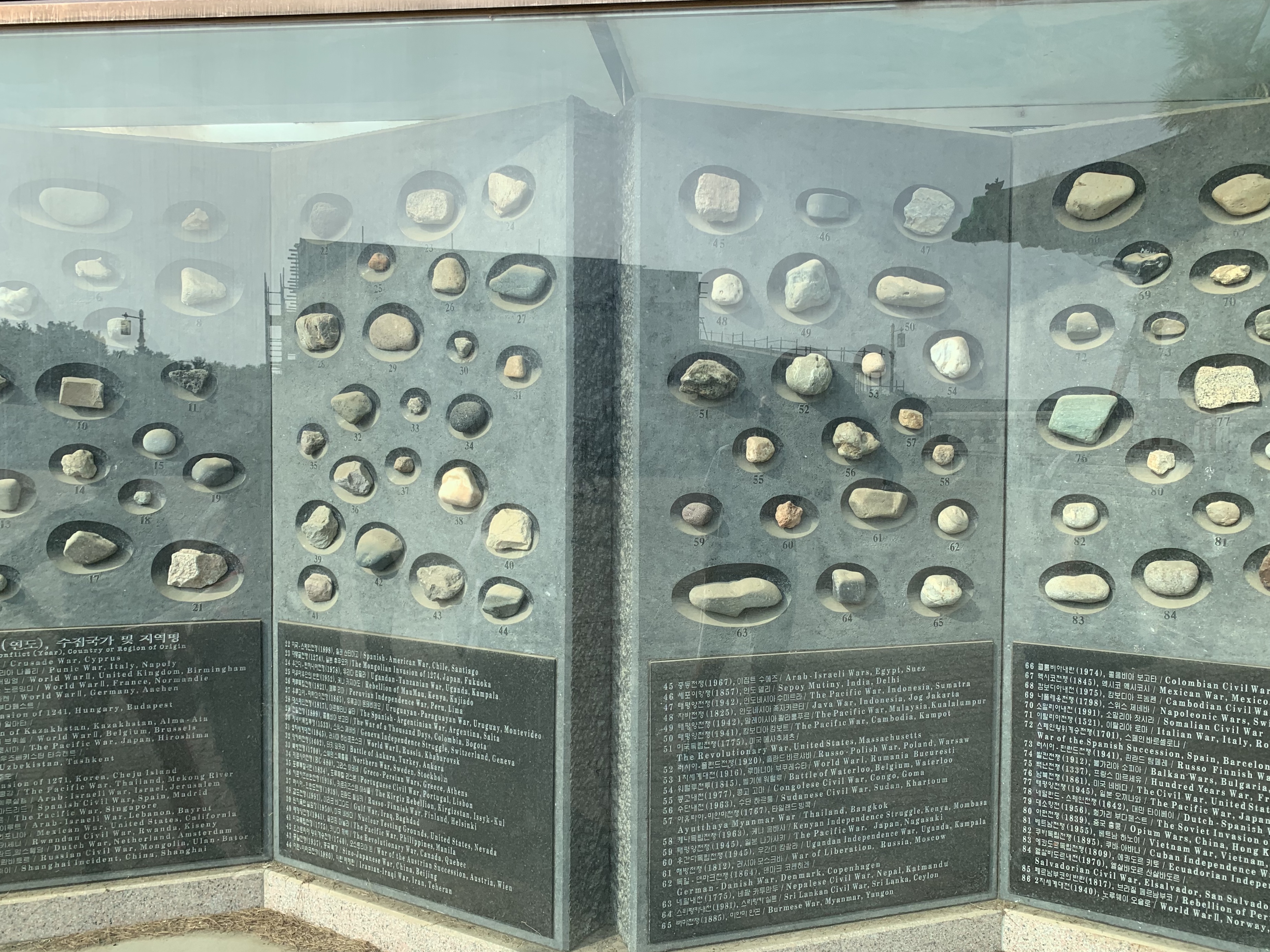
Then followed a steep drive past landmines to the Dora observatory, where you can see through binoculars the so-called propaganda village in North Korea where the lights go on and off at the same time each day and the North Korean flag – the largest and heaviest in the world.

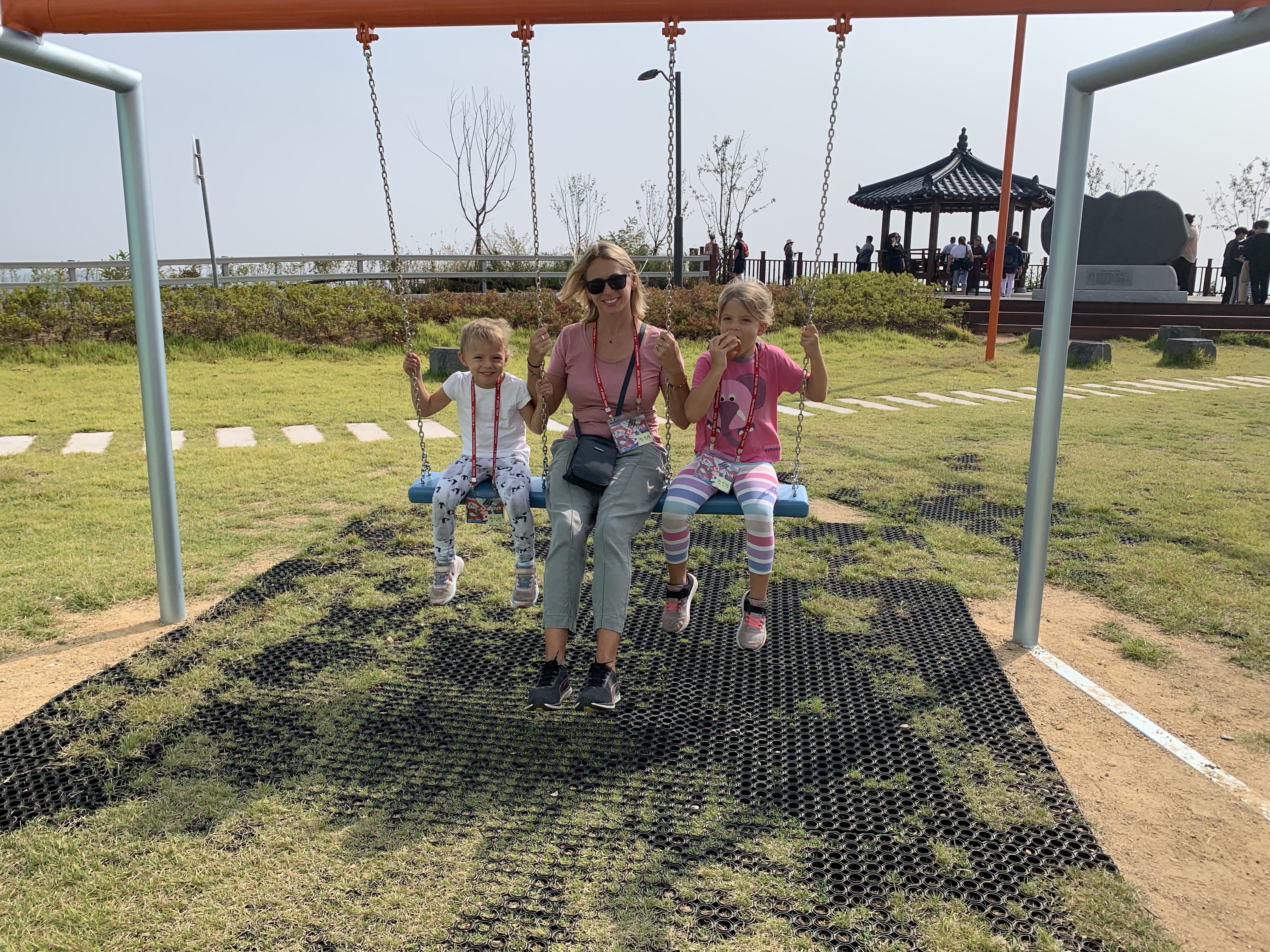
It was nice to see (and have a swing on) Superflex 1,2,3swing! from a turbine hall commission at Tate Modern (sponsored by Hyundai).
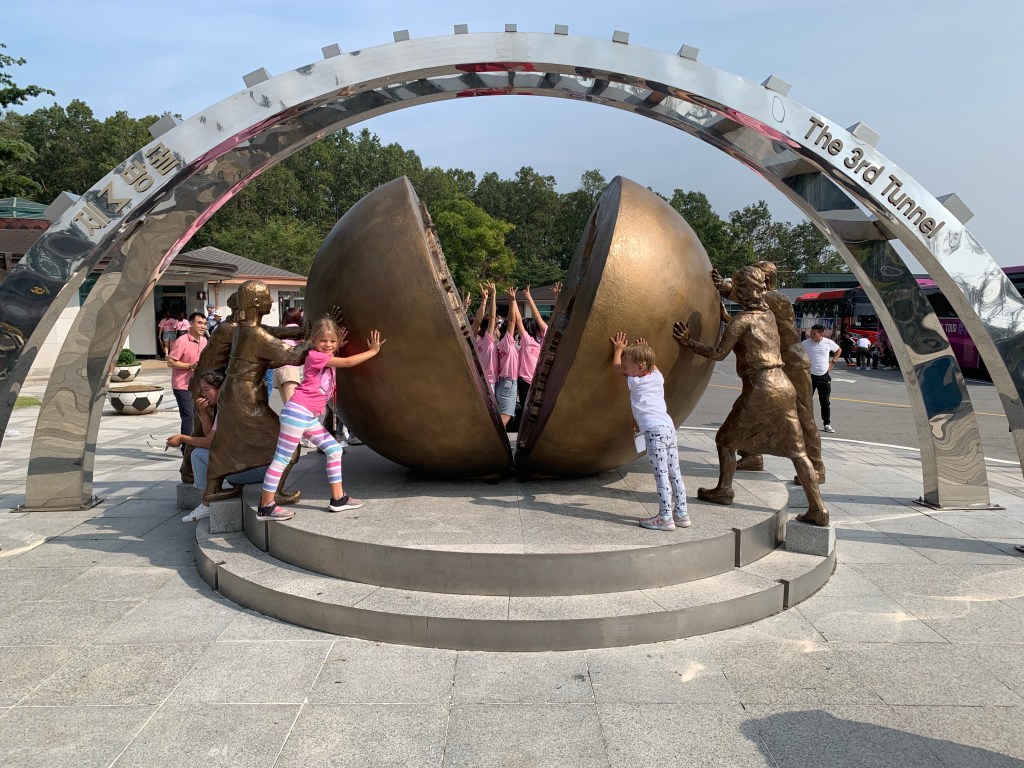
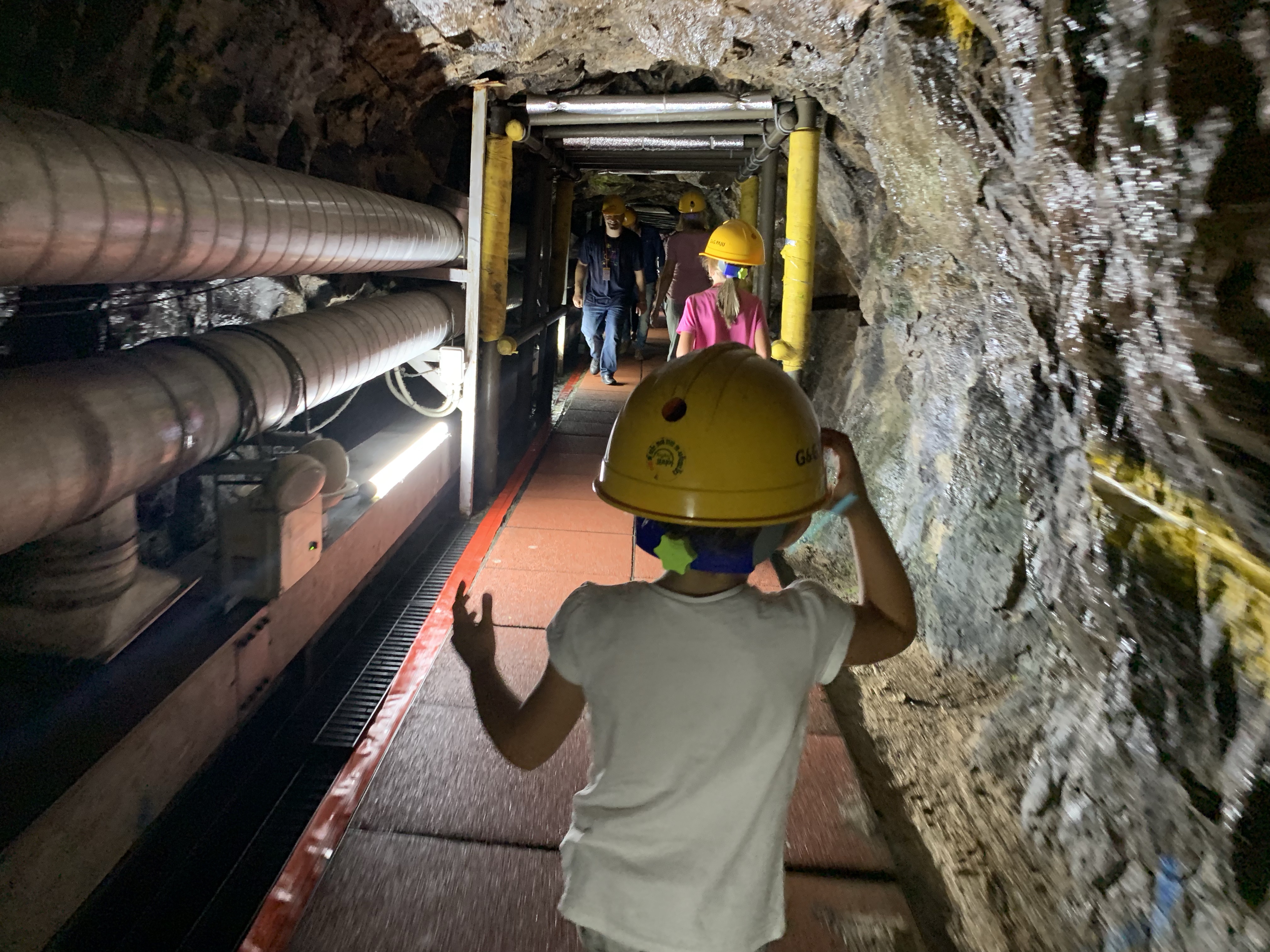
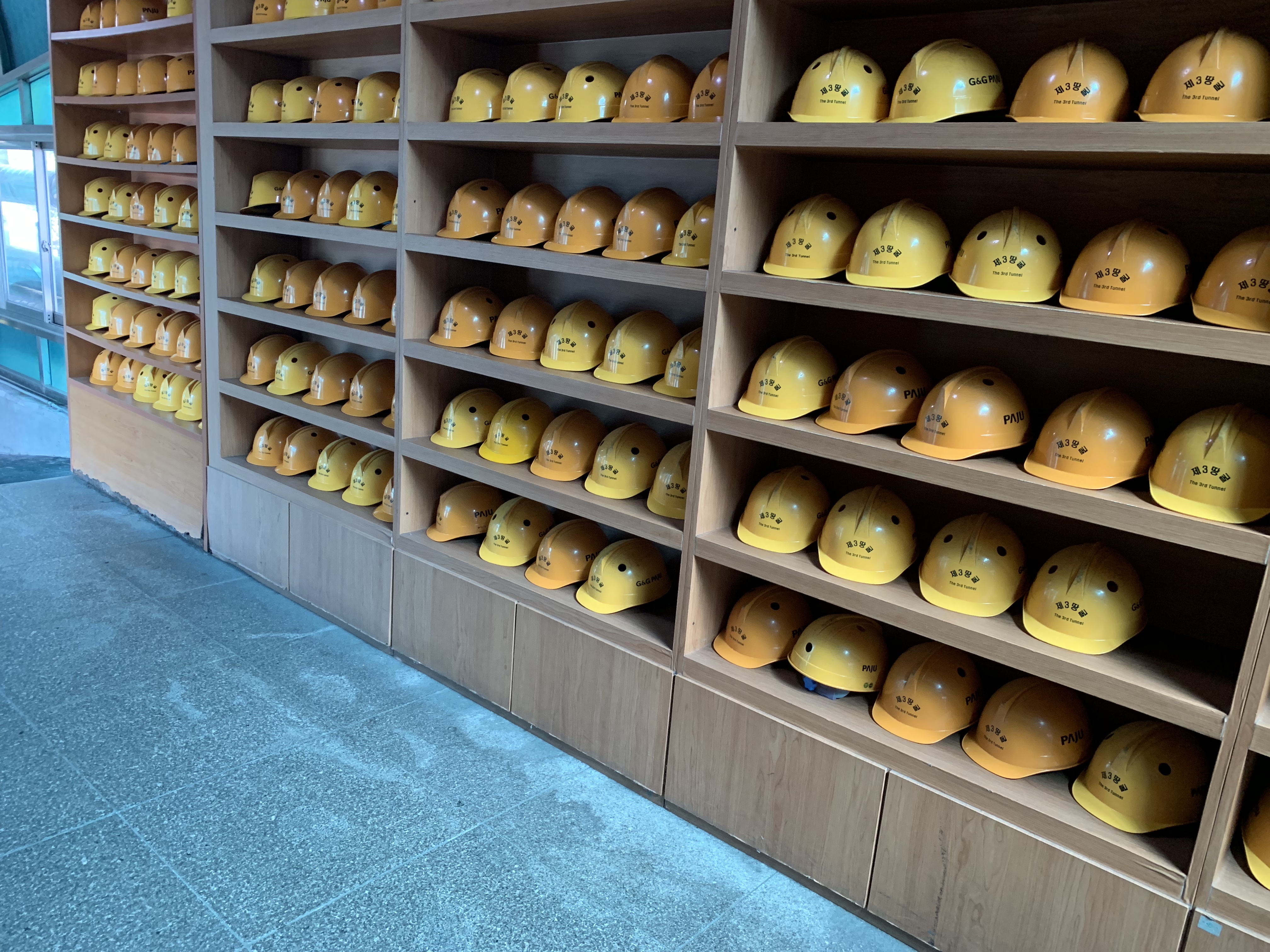
We walked into the Third infiltration tunnel, discovered in 1978 just 52km from Seoul, so large in scale an army of 30,000 fully armed North Korean soldiers could pass through within an hour. Scary.
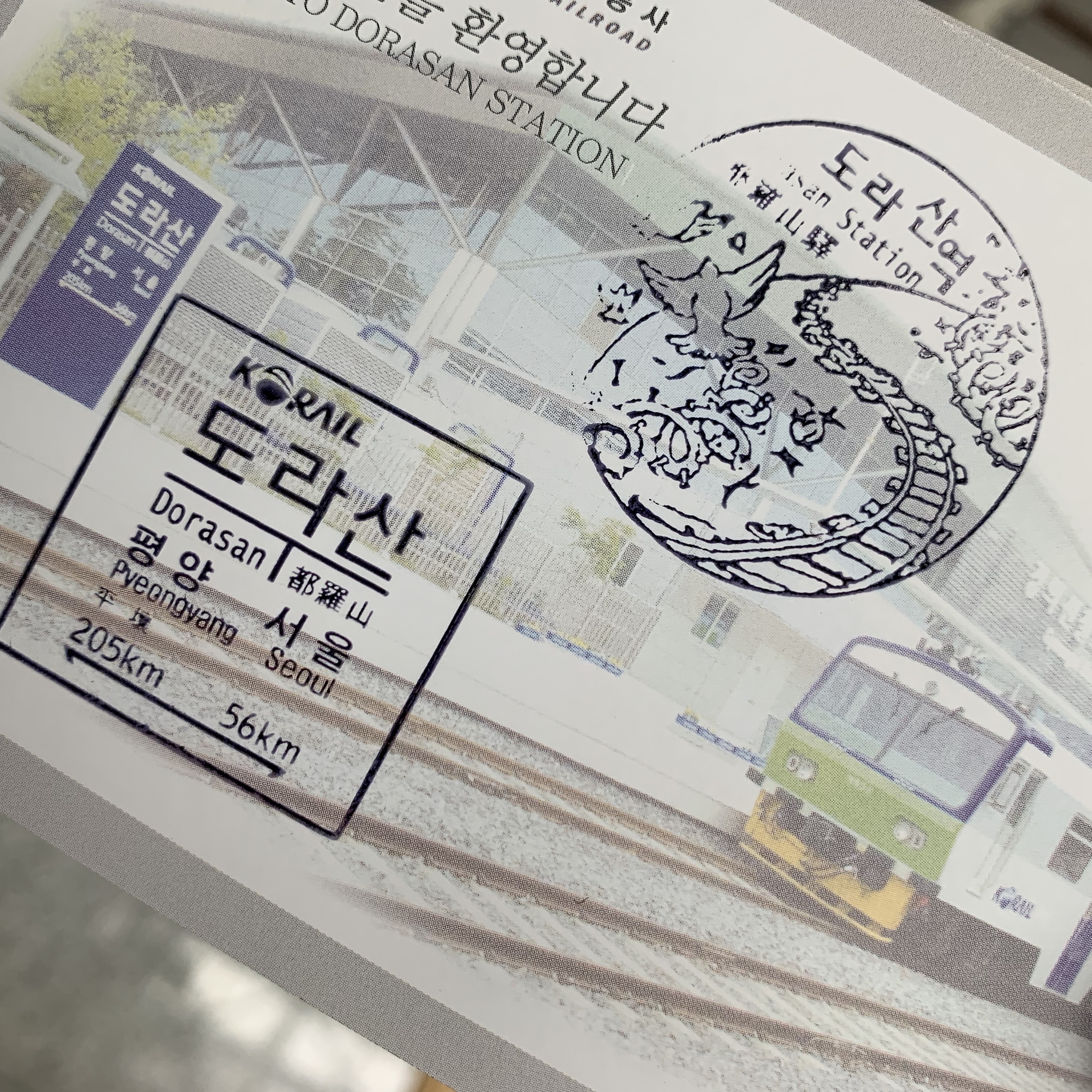
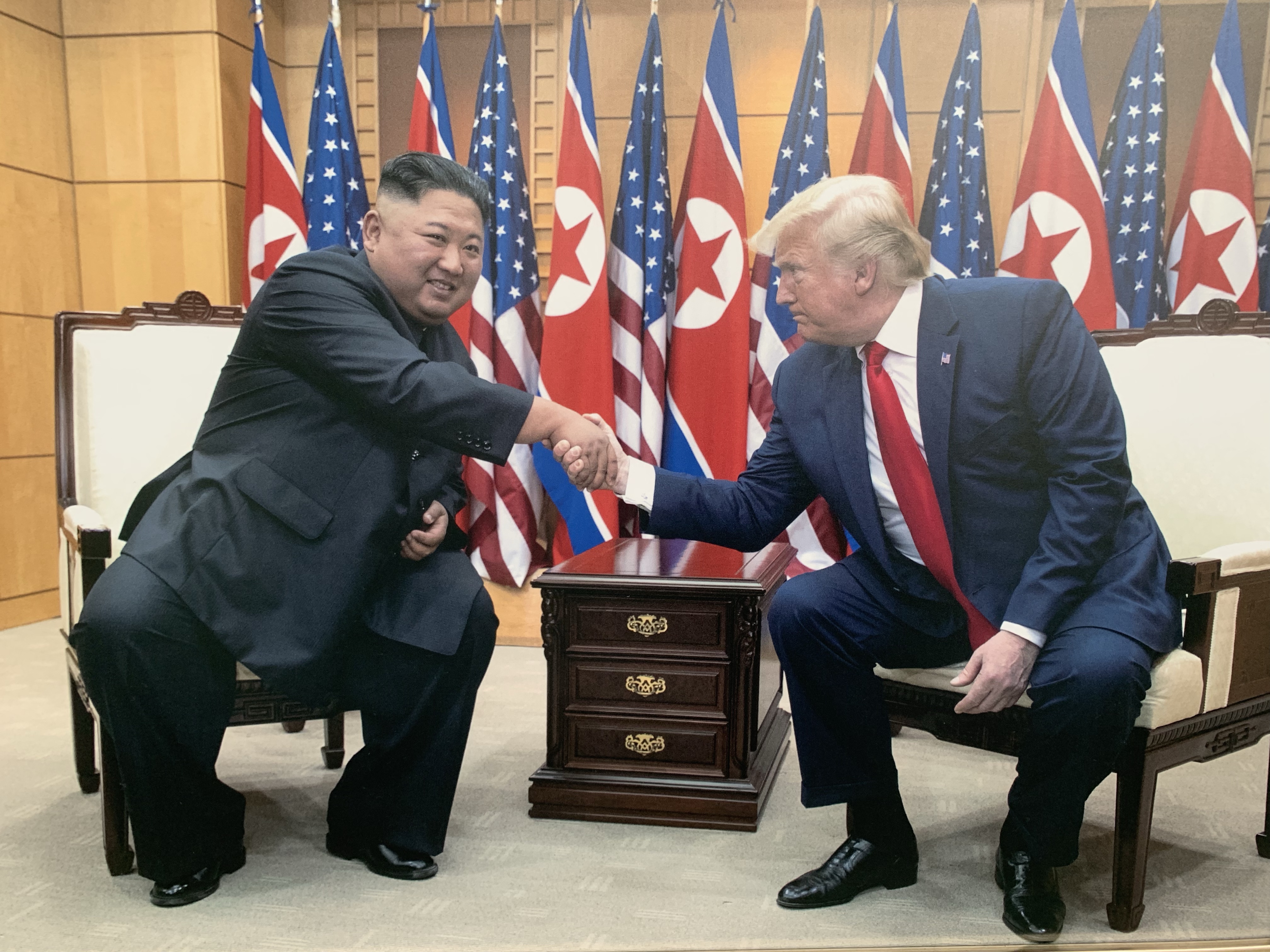
Final stop was Dorasan station, just 700 meters from the southern boundary line of the DMZ. It had several fascinating photographs of political leaders meeting there, and the possibility of a more connected future with a proposed trans-Korean railway.
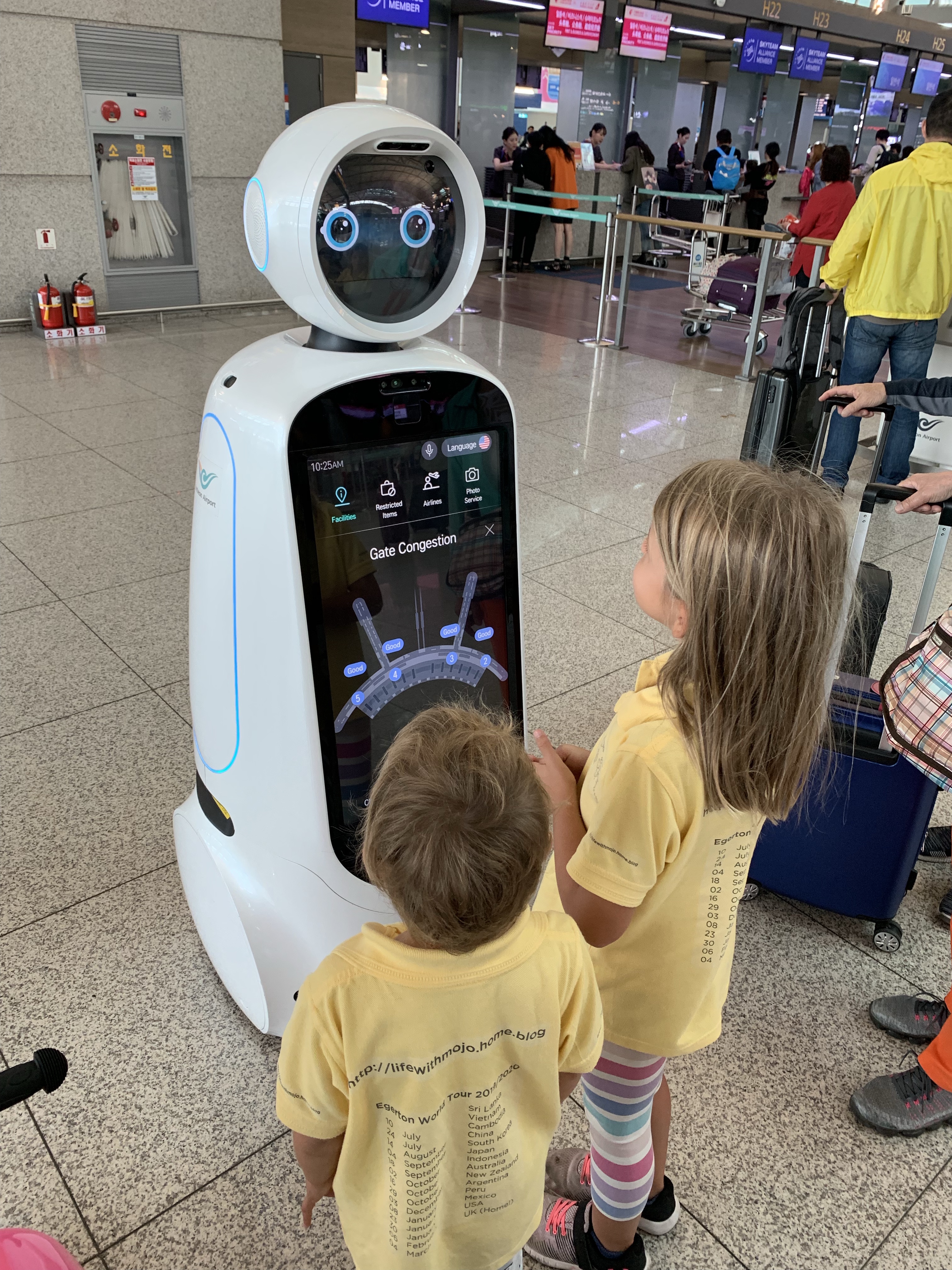
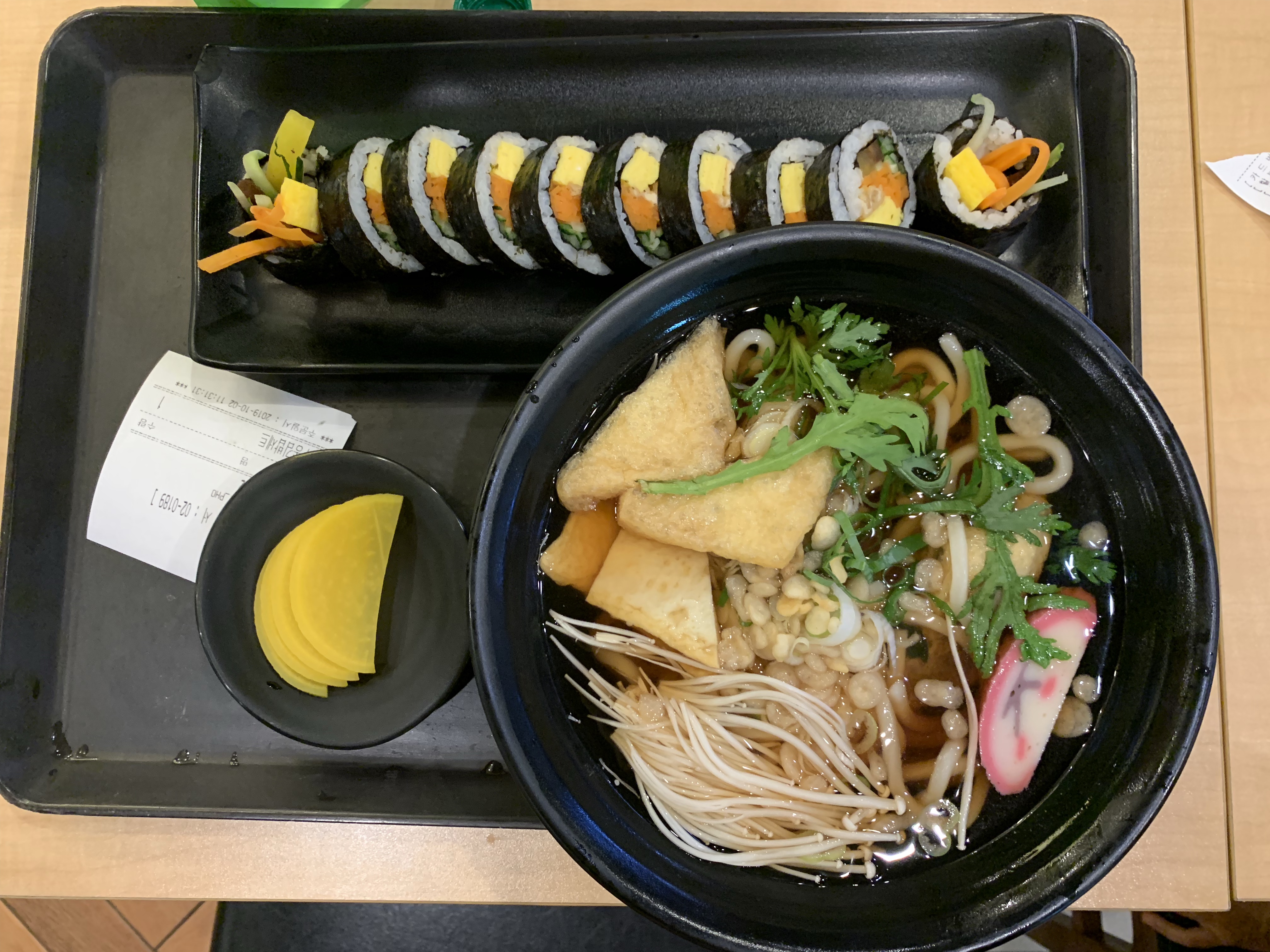
Seoul airport goes down as our favourite to date, with a live string quartet playing Disney and contemporary tunes and probably the best and more reasonably priced airport food we have ever had. The robot was pretty cool to meet as well.

We had certainly learnt a great deal about Korea in our two weeks there, our love of the food, the beautiful scenery, the incredibly friendly people, the efficiency of how things are organised but most importantly the element of surprise and down-right quirkiness!
 Life with MoJo